The West’s Reservoirs Are Suffering, Too
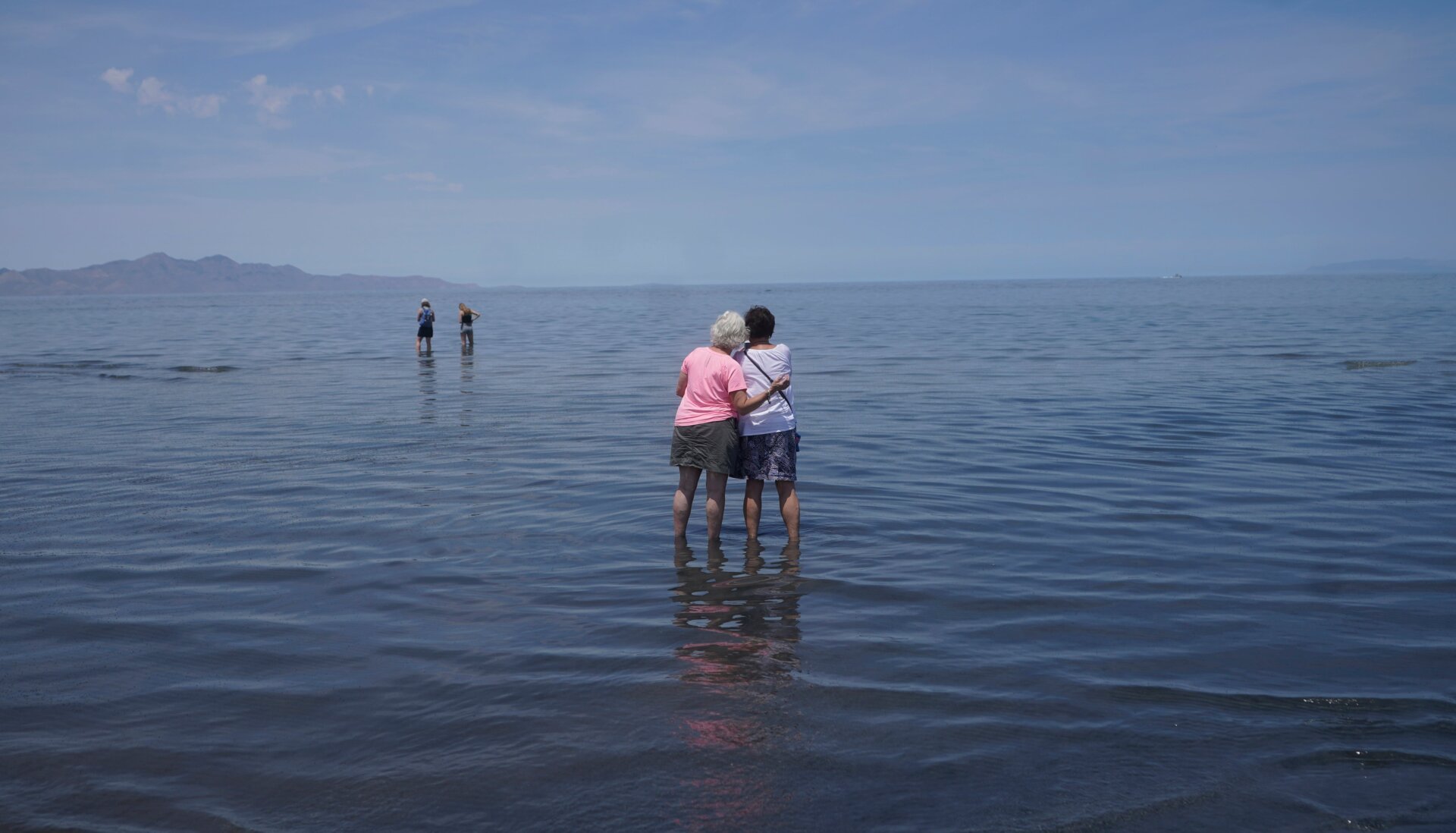
It’s not just the Great Salt Lake that’s feeling the heat. Crucial Lake Mead, a huge reservoir formed by the Hoover Dam that provides drinking water for California, Arizona, and portions of Mexico, dropped to its lowest levels on record in June. Meanwhile, other salt lakes around the world including the Dead Sea and the Salton Sea are also seeing their water levels plummet.
Experts say that saving the Salt Lake could mean cutting the use of freshwater tributaries that flow into the lake by nearly a third. For an exceptionally thirsty state—Utah’s public supply customers use the most water of any state in the U.S., with each person consuming between 150 and 200 gallons per day—that could be an enormous challenge. But Utah may be up for it: In May, the town of Oakley took the bold step to finalize a pause on construction projects that would tap into the local water supply, over concern about drought conditions and water availability.
“There’s a lot of people who believe that every drop that goes into the Great Salt Lake is wasted,” Kevin Perry, a University of Utah atmospheric scientist, told the AP. “That’s the perspective I’m trying to change. The lake has needs, too. And they’re not being met.”