Man, I love sleep. I’m just a sleepy kind of guy—always have been. I love sleep so much, but I’m not sure that it loves me. No matter how much I sleep, I always feel kind of tired, so the idea that there’s a gadget out there that can help me understand my sleep habits but also improve them—all with putting in minimal work—is just as appealing as the nap I want to take right now.
There’s an increasing array of devices that do this, including EEG-equipped headbands that you strap to your head before dozing off, but as much as I would like to improve my sleep by doing basically nothing other than spending money, I also don’t want to spend the rest of my days going to sleep with my head in a high-tech vise.
Luckily, there’s (allegedly) another way to fast-track sleepier sleep, and it comes in a form factor I’m more familiar with. I’m talking about old-faithful: wireless earbuds.
NextSense Smartbuds
The Smartbuds are an EEG-equipped pair of earbuds that can track your sleep, but they might not be ideal for everyone.
Pros
- Easy to use
- Plenty of sleep-tracking metrics
- Solid battery life
- App is surprisingly functional
Cons
- Not very comfy for side sleepers
- Some pairing glitches
- Hidden, recurring ear tips cost
- I'm still sleepy
Introducing: EEG earbuds
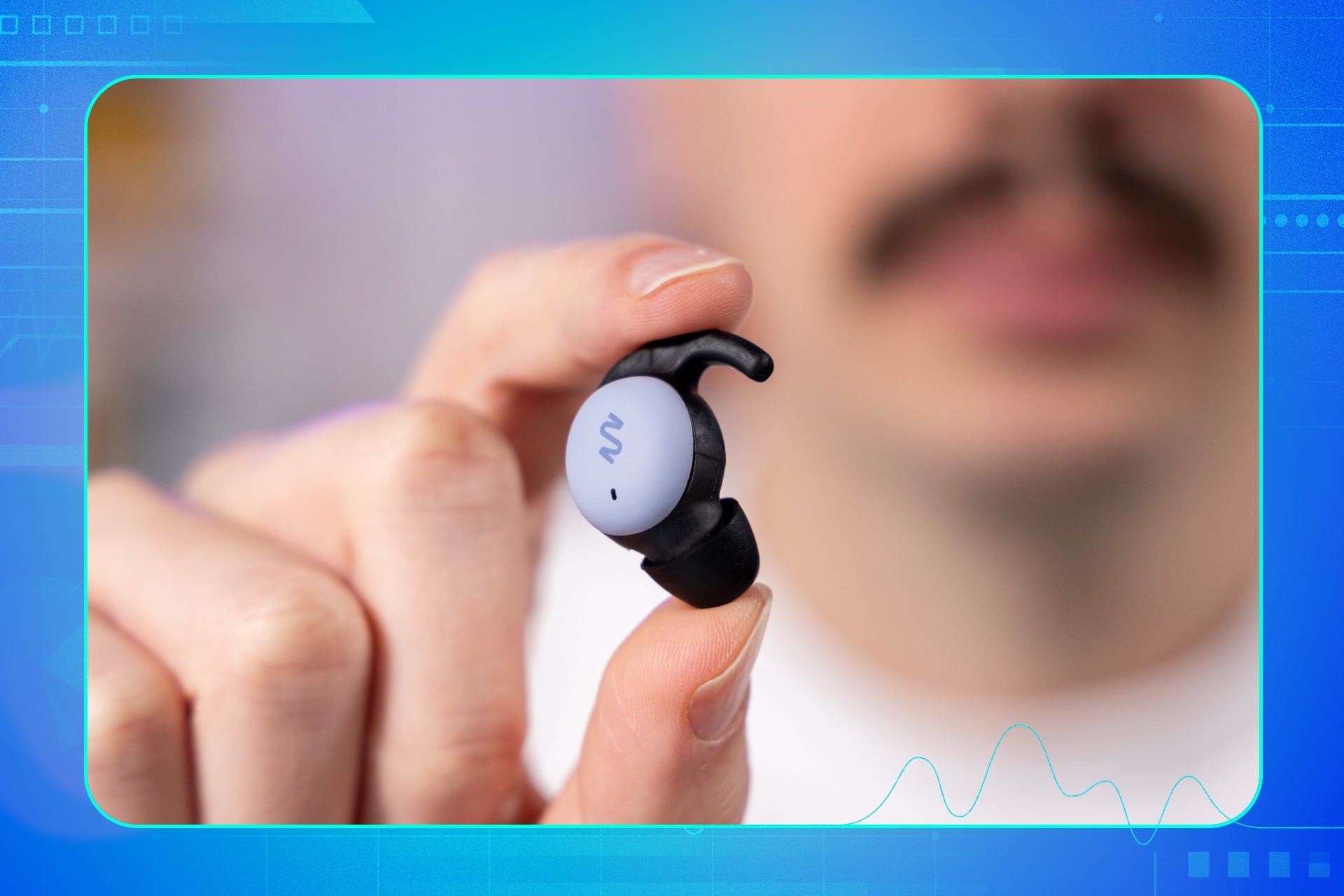
Wireless earbuds designed specifically to help you sleep aren’t a new thing. I’ve reviewed pairs from Soundcore, like the Sleep A30, which are form-fitting wireless earbuds with active noise cancellation (ANC) that are meant for side sleepers—they’re great. The ANC is awesome, they don’t hurt your ears, even if you’re a side sleeper, and there are plenty of options for ambient noise in the Soundcore app. But those are just wireless earbuds that tweak a few dials in the hardware department to make them more conducive to lying on. The $399 NextSense Smartbuds ($299 with the “limited time launch price”) on the other hand, bring in a whole new technology to the sleep-bolstering party. First and foremost, these buds have an electroencephalogram, otherwise known as an EEG.
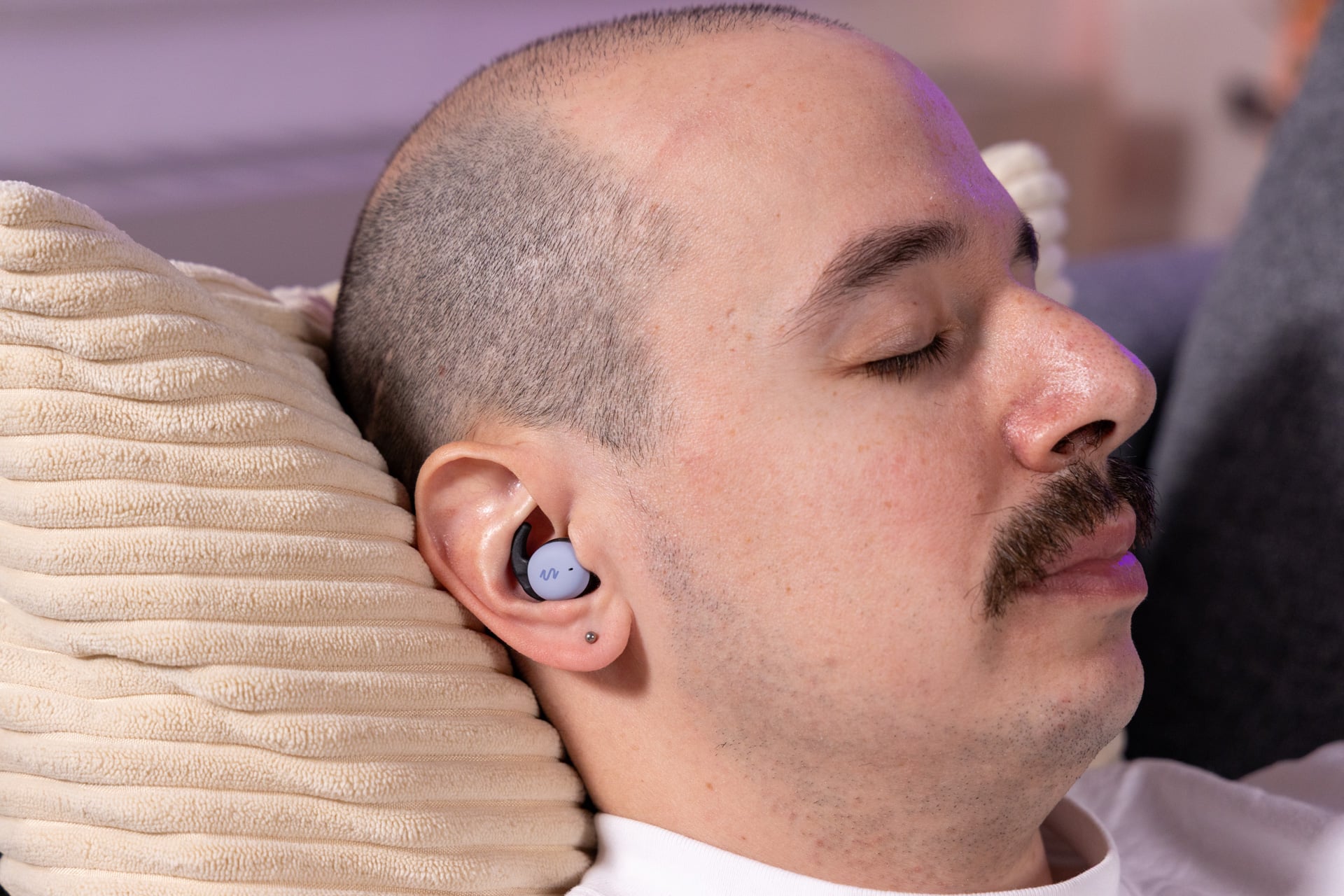
EEG, which is often used in sleep science, has a few functions in this case, but the main one is to monitor your brainwaves. Why would a pair of wireless earbuds want to do that? Well, your brainwaves tell you a lot about your sleep, specifically your sleep stages and whether or not you’re experiencing what’s called “deep wave” sleep, which is the restorative variety that helps repair cognitive function and even your body and immune system.
It’s not just monitoring the situation that NextSense’s Smartbuds have in mind; it’s actually improving what could otherwise be a crappy or mediocre night’s sleep. Smartbuds, using the aforementioned EEG, can detect when you’ve entered deep sleep and then play frequencies designed to help augment the effectiveness of that sleep stage. The result, if Smartbuds are doing their job, is that you wake up feeling more refreshed and better-slept even if you’ve slept the amount you normally do.
Before I keep going, I should probably stop here. Sleep science, like all science, is ever-evolving, and that means there are differing schools of thought on whether listening to pink noise and similar frequencies are actually helpful to sleep health or whether they’re literally the opposite. So, before you buy in, just keep that in mind.
If you do decide to buy in, there isn’t another product like NextSense’s Smartbuds on the market—at least none in an earbud form factor—so you get points off the bat for novelty. But novelty ain’t what you came here for. What you really want is to stop being tired all the time, and on that front, things are a little bit more complicated.
A sleep savior?
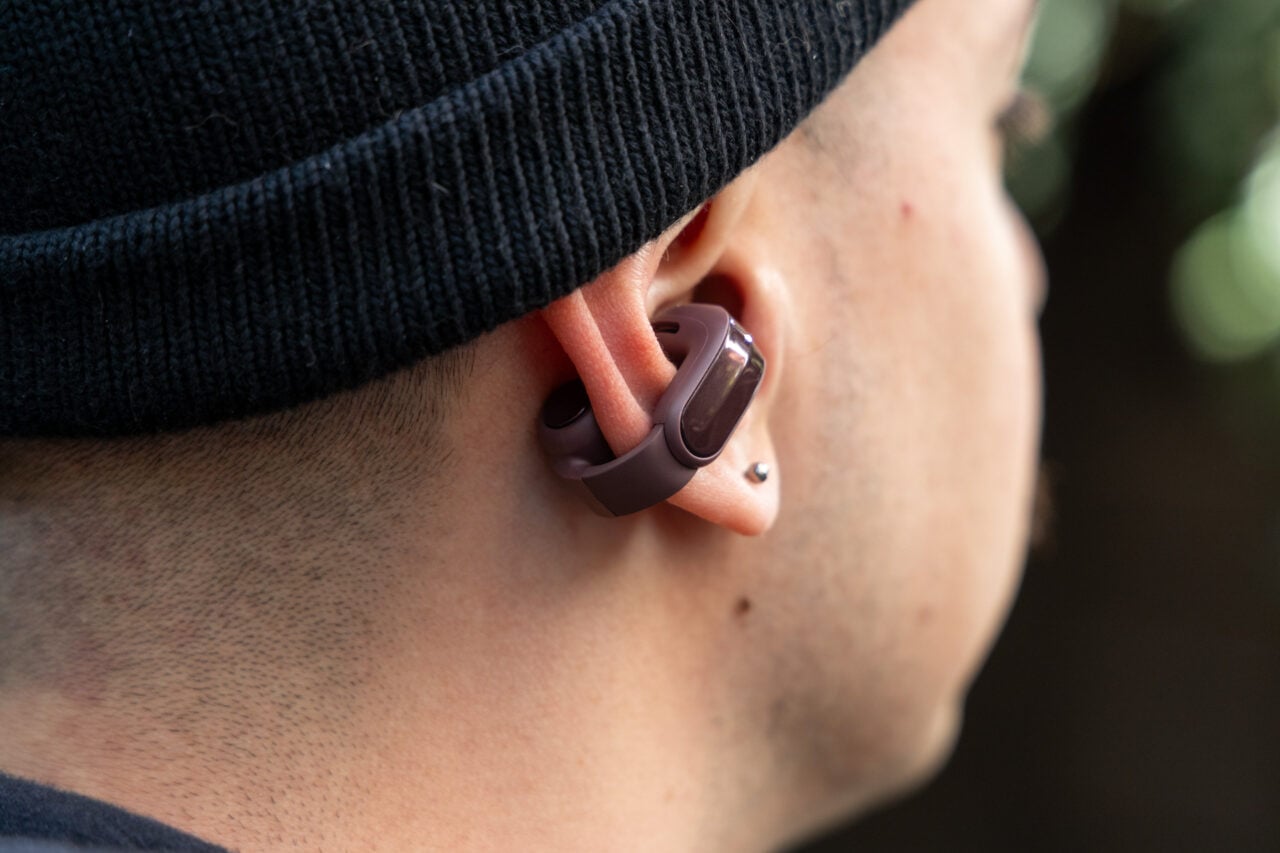
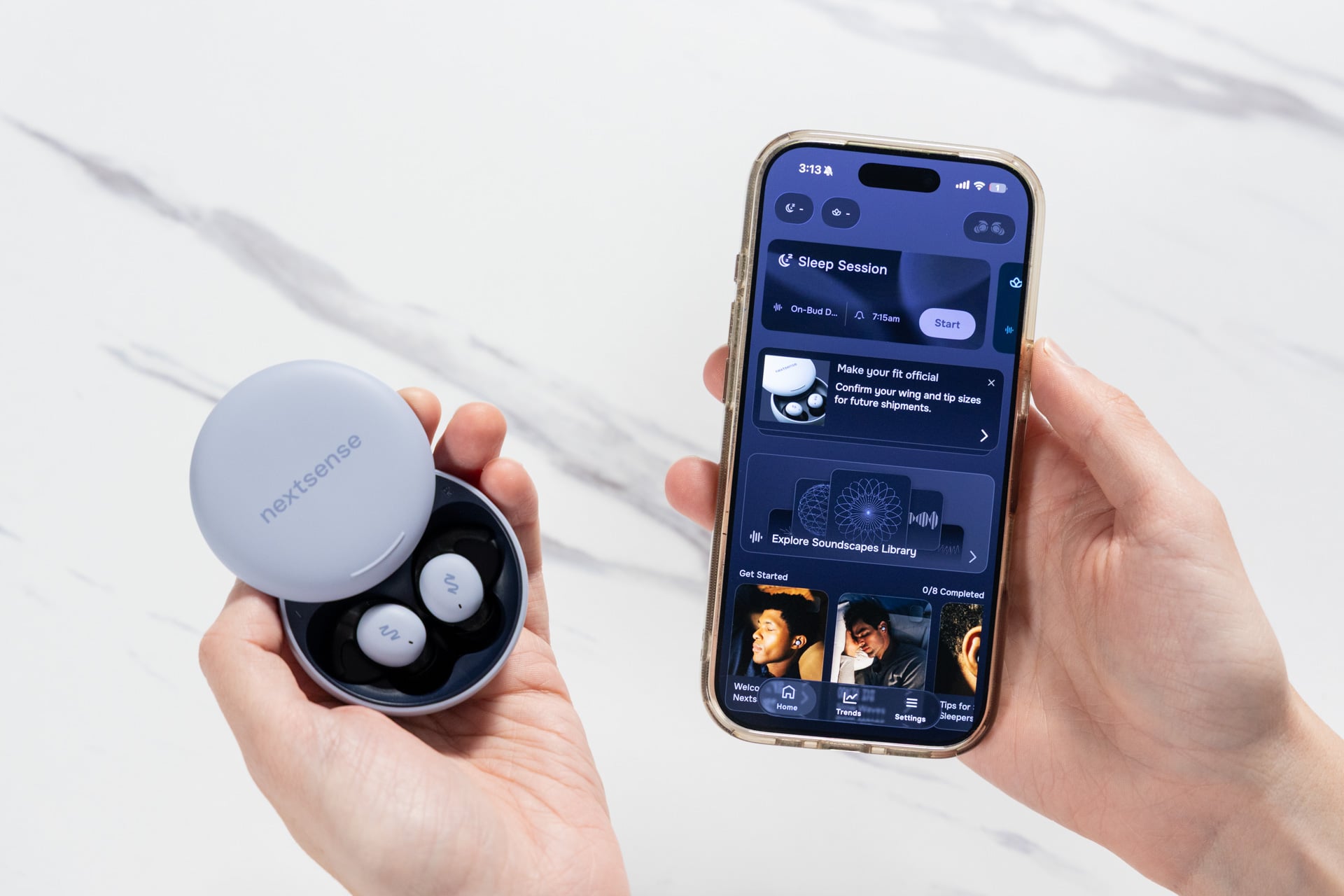
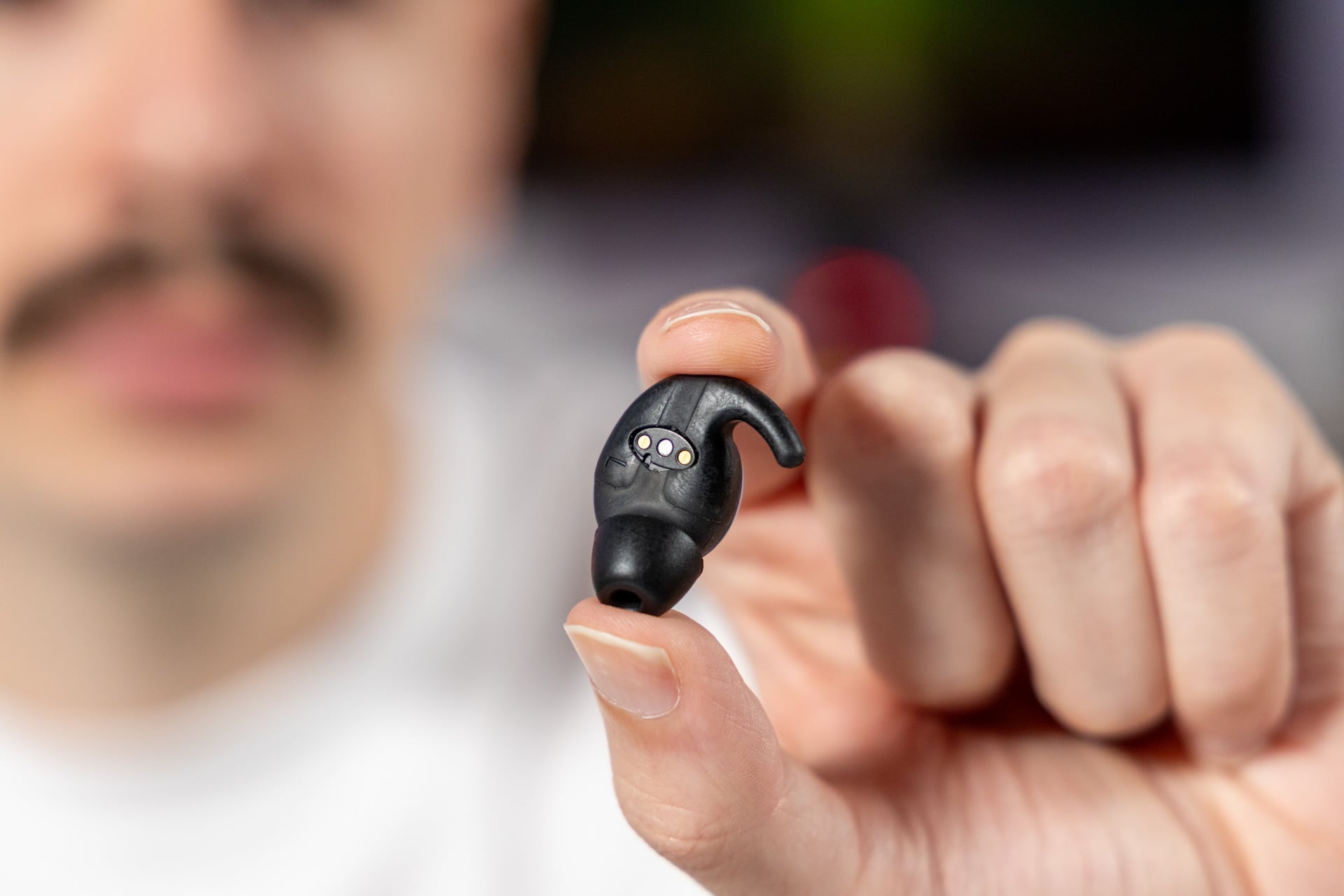
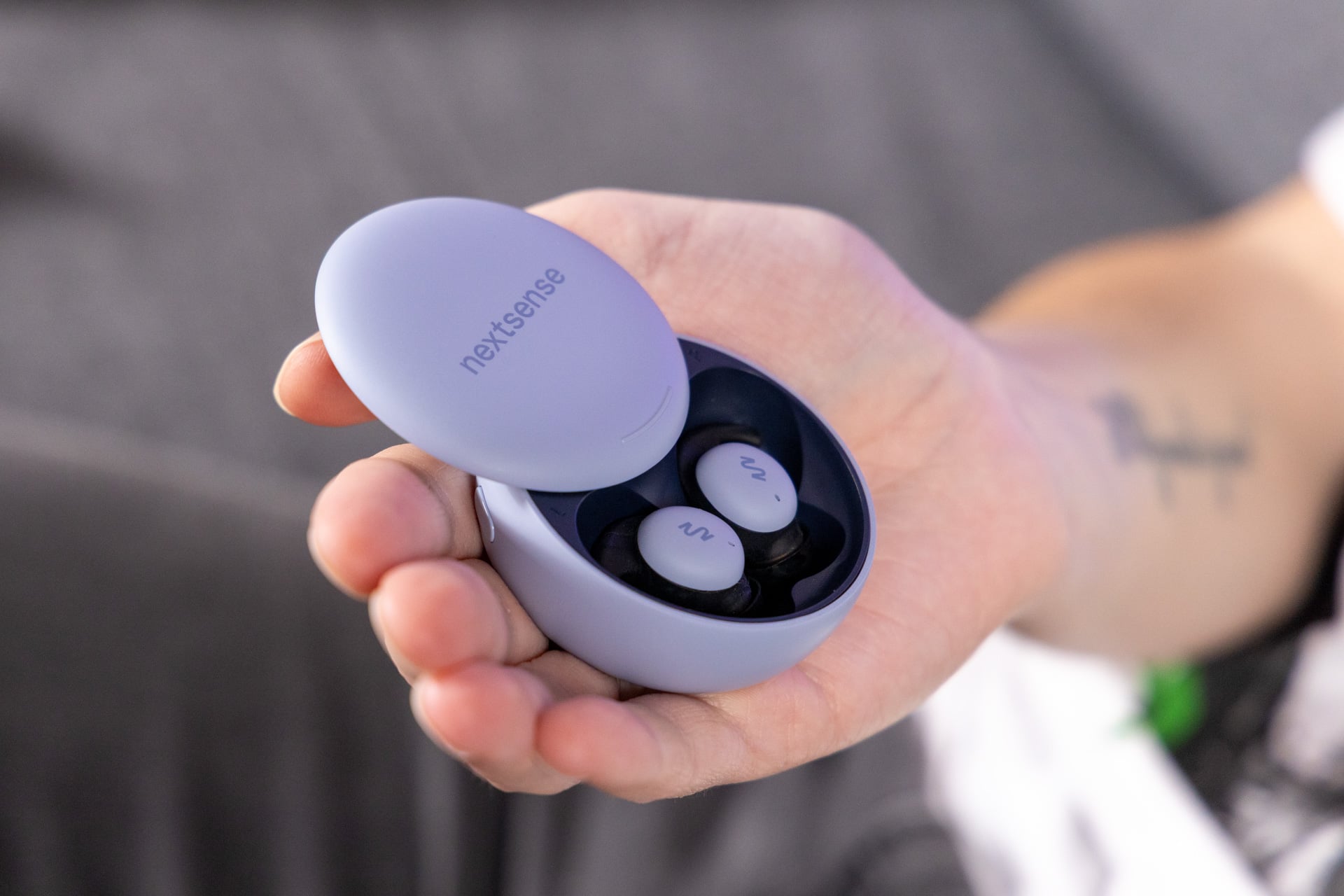
I’ve been testing out the NextSense Smartbuds for a couple of weeks, and there are some pros and cons. One perk is that it’s easy to set up. There’s a brief tutorial that shows you how to fit the wireless earbuds into your ears snugly so that you get an accurate EEG reading, and there’s even a signal check feature that tells you whether sensors are making adequate contact. If the default ear tips aren’t your size, there are also three other sizes in the box.
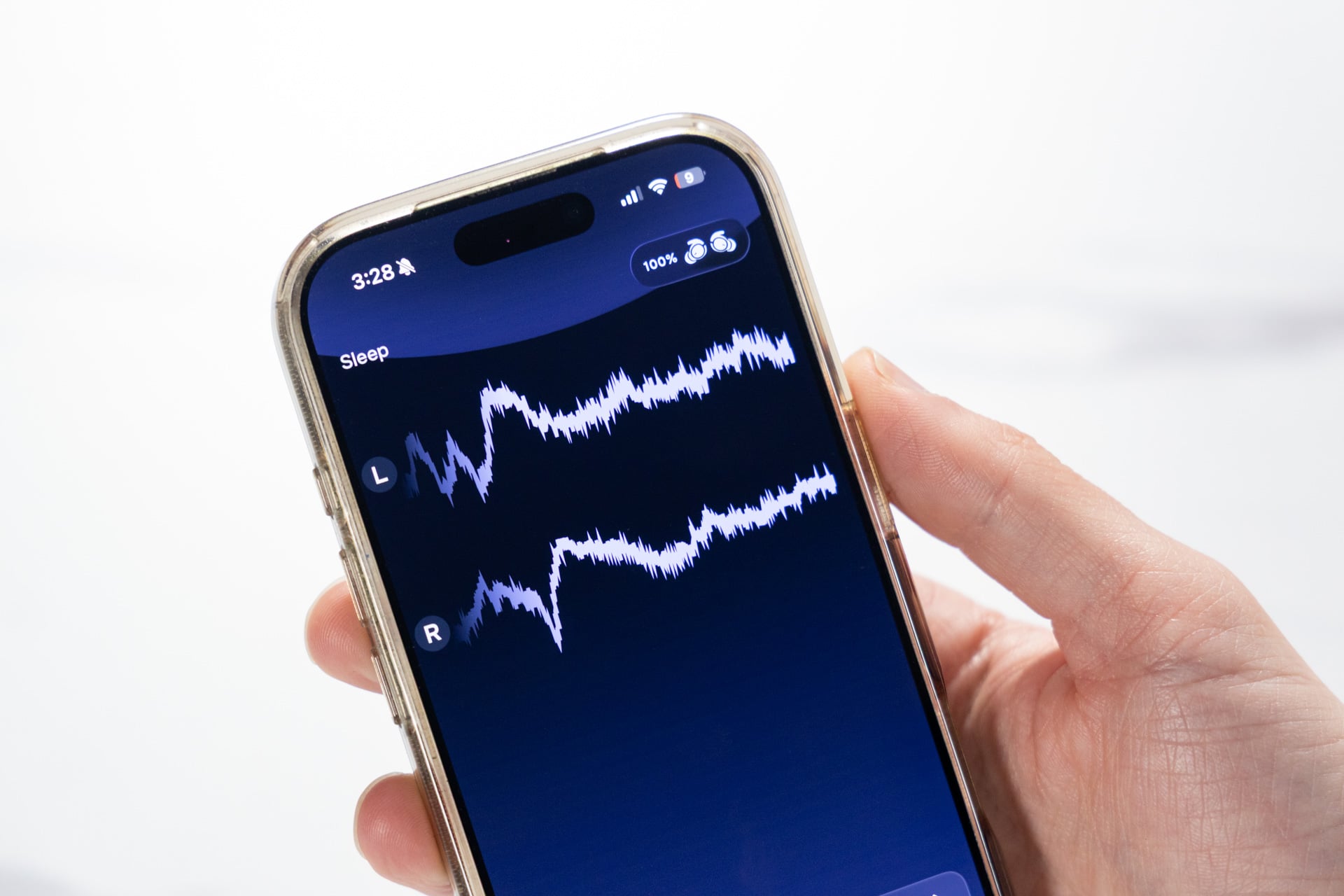
Launching sleep sessions is also very straightforward. You just pop the wireless earbuds in and go to the NextSense app, where you press “start” under the Sleep Session widget. From there, a relaxing soundscape (rain noises by default) should start playing, and you’re taken to a screen that shows your real-time EEG readings. You can choose different soundscapes to fall asleep to if you like. There are water sounds like babbling brooks, nature-centric forest sounds, and more straightforward white noise—the options are plenty. Personally, I like the deep rain option.
The “pulses” of pink noise that eventually play to deepen your sleep, on the other hand, are a bit difficult to describe since I was mostly half-conscious when they kicked on. But they’re of a lower frequency than your typical white noise—think pitched-down ambient noise from an airplane. Those are dolled out judiciously when the earbuds attempt to bring your brain back to a deeper sleep.
In iOS, you’ll also get a Live Activity notification on your lock screen that shows your active session, which is nice for verifying the buds are active. I should note here that Smartbuds do not support Android devices yet—sorry, Android people.
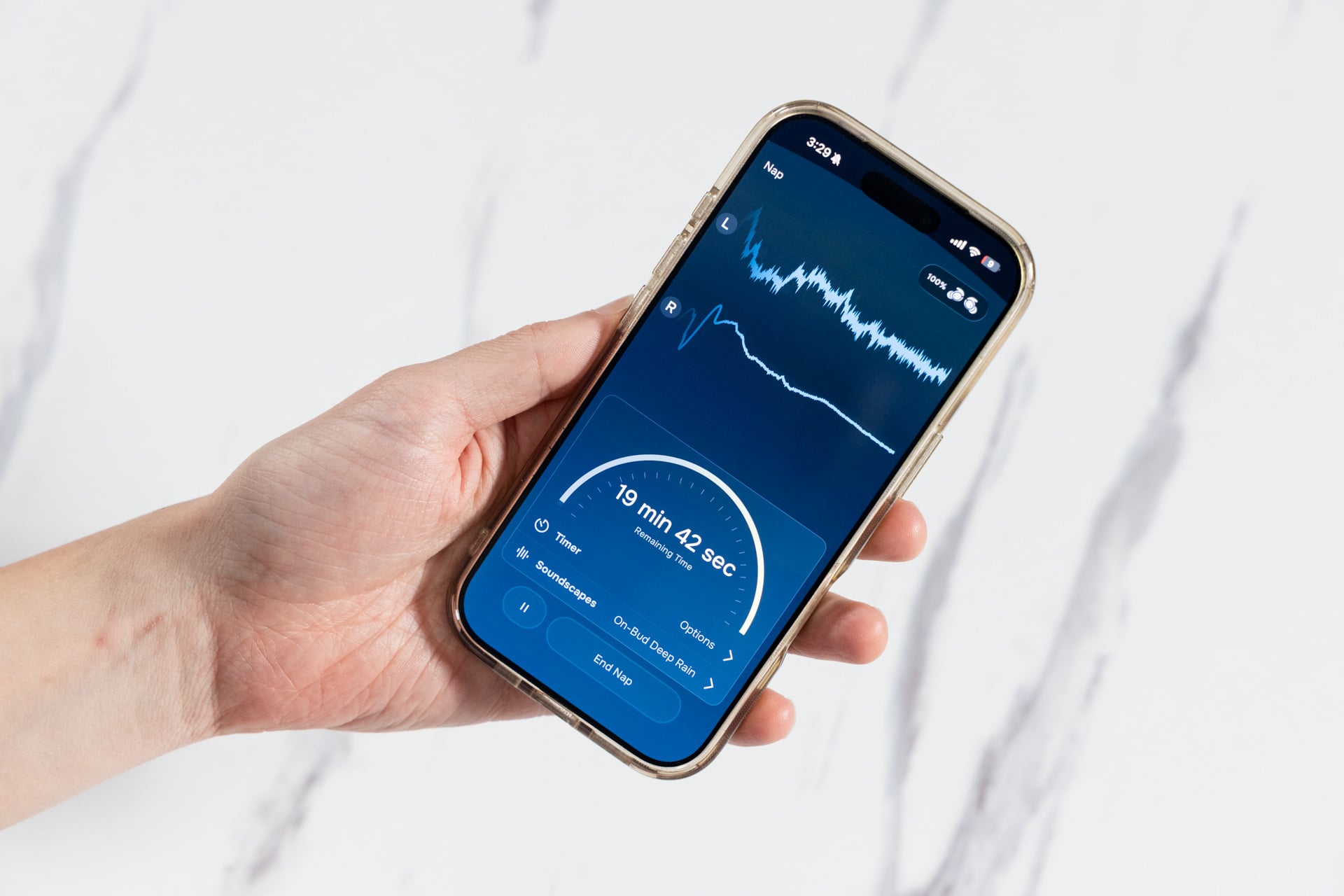
Another thing I like is that I can get readings on my sleep at what I assume is a fairly high degree of accuracy. While other wearables infer sleep quality by factoring in heart rate, respiratory rate, and body temperature, the Smartbuds are more direct-to-source, using six EEG sensors, which is considered the gold standard in sleep studies.
That means, with the NextSense app, you’re able to get a breakdown of each night’s sleep and how much “slow wave” sleep you got. You’re also provided a “sleep efficiency” score that takes into account what percentage of your sleep was deep and how long. Additionally, you’ll see stats like how much “boost” was provided per night (boost is the noise meant to bring your brain back to its restorative stage), how much time you were awake for, how long it took you to drift off, and total sleep time.
You can also get broad breakdowns in intervals of one week, a month, or three months in a “trends” tab, as well as granular breakdowns that show nightly stats. Overall, I find the app a lot more inviting and easier to digest than I was expecting, especially from a relatively unproven company.
All the data was fascinating for me personally since I’ve often wondered about my sleep quality, but ultimately, maybe a little disappointing. According to the Smartbuds, I’m sleeping quite well, with a sleep efficiency score ranging anywhere from 96% to 97%.
The only problem is, I used the Smartbuds cumulatively for over a week, with my longest streak being four days in a row, and I can’t say that I noticed a huge difference in my alertness during the day versus sleeping sans Smartbuds. I do think listening to the ambient noise helped me drift off to sleep quickly, but unfortunately, getting to sleep has never been my issue. As much as I appreciate the assist, it’s not exactly what I was looking for.
Energy levels are a complex thing. Maybe sleep isn’t actually my issue—maybe I need to adjust other parts of my lifestyle to feel more rested or more energetic, like diet, exercise, or my pre-bedtime routine. What I mean to say is that your results may vary. Maybe slow-wave sleep isn’t the factor that’s holding me back from feeling sharp, but maybe it’s yours. In that way, the Smartbuds’ effectiveness can be subjective.
That being said, there are other, more objective things that NextSense could work on to make the experience sleepier for more people.
Not quite the king of comfort
One of the worst things about falling asleep with wireless earbuds in is that it actually kind of hurts. To avoid this, other sleep-focused wireless earbuds have shapes that are as flat as possible. Soundcore did this with the Sleep A30, and the results are really great. Even after a full seven to eight hours with my head pressed up against a pillow (yes, I’m a side sleeper), my ears didn’t hurt.
NextSense uses similar design here, working to make the Smartbuds as flat as possible, but if I’m being honest, it doesn’t get anywhere near the comfort highs as the Sleep A30. Part of the reason for that discrepancy in comfort is that the Smartbuds just have a lot more going on. While Soundcore’s Sleep A30 are just wireless earbuds with great ANC that you’re meant to sleep on, Smartbuds have a whole host of novel technology in them. That tech adds size, and that size can add ouch.
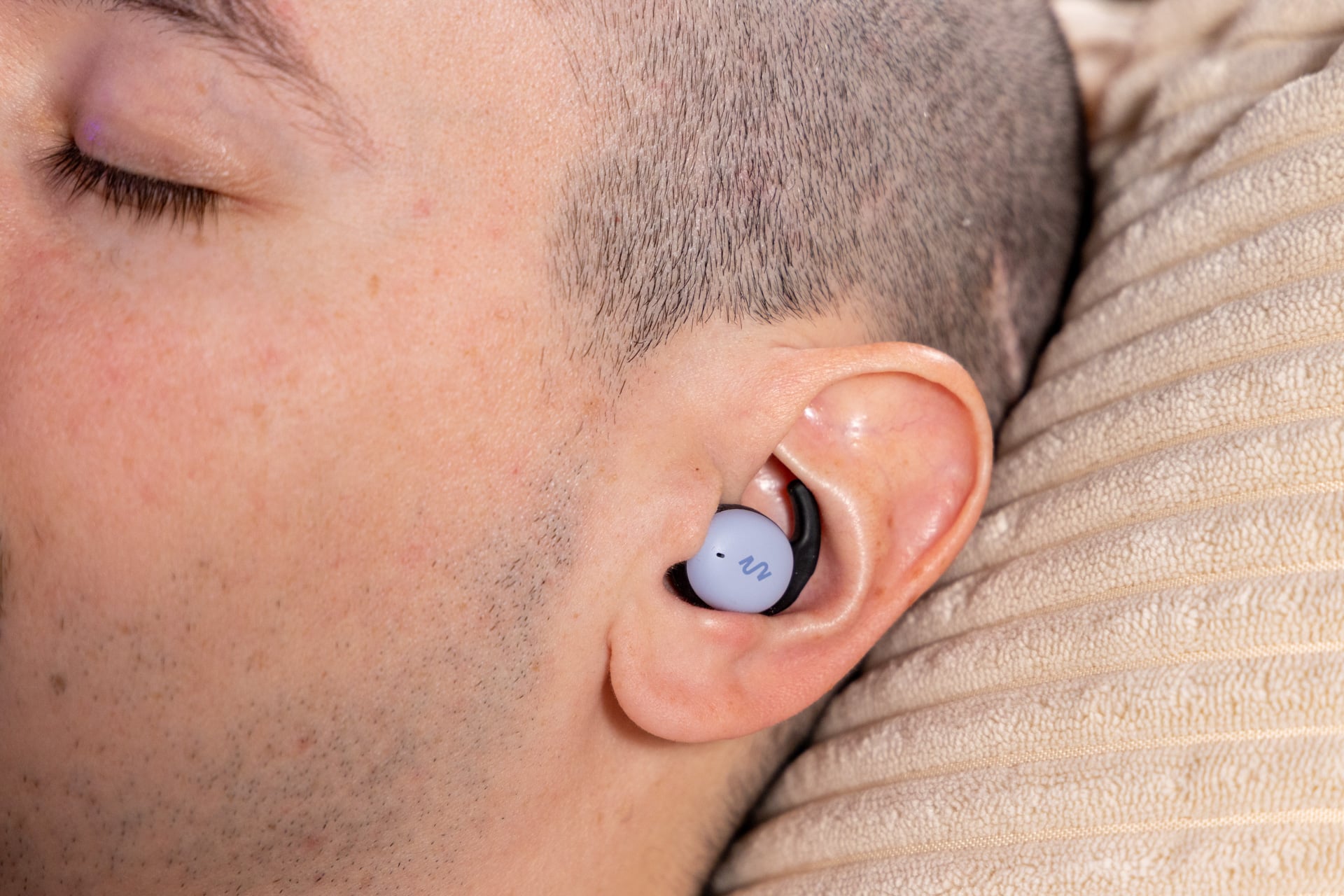
If you’re a side sleeper and you’re using Smartbuds, NextSense recommends sleeping with one earbud off the pillow to avoid pressing it into your ear, but the thing about sleeping is that you’re not always aware of what you’re doing, what with all the unconsciousness. That means, like me, you might end up with your head pressed against the pillow and an earbud pressing into your ear. It’s as comfortable as it sounds.
The other bad part for side sleepers is that when you brush up against the pillow with a wireless earbud in your ear, you can hear it—it’s like a sweeping sound that’s amplified by the fact your ears are plugged. It’s not what I would call a soothing sound for sleep. While side sleepers like myself can wear the Smartbuds, there’s no getting around the fact that these are better-suited for people who sleep on their backs.
As long as we’re comparing against the Sleep A30, I should also note that the Smartbuds do not have active noise cancellation. This isn’t a dealbreaker, necessarily, but if you were looking for a pair of sleep earbuds that can block out the world while you snooze, this isn’t the ideal pair, especially because the Sleep A30 are tanks against snoring.
I did have some software frustrations, too. A few times before using the Smartbuds, I had to disconnect the earbuds and re-pair them because they weren’t being recognized by the app. It’s hard to say what was causing my issue, but there’s a chance you may run into the same thing. I don’t know about you, but troubleshooting app problems isn’t how I prefer to unwind before bed.
Adding to the vibe of inconvenience is the fact that you’re supposed to swap out wing tips once every 21 sessions, which for most people will be roughly once every month. The reason is that the silicone wings and tips that make contact with your ear are coated with a material called Tecticoat, which is meant to improve the performance of electrical sensors. That coating, however, degrades over time due to the natural oils of your skin and reduces the effectiveness of EEGs. So, to keep your Smartbuds running tip-top, you’ll have to pay $15 per month to keep fresh tips and wings incoming. Yes… more subscriptions. But, hey, at least it’s not paywalled software!
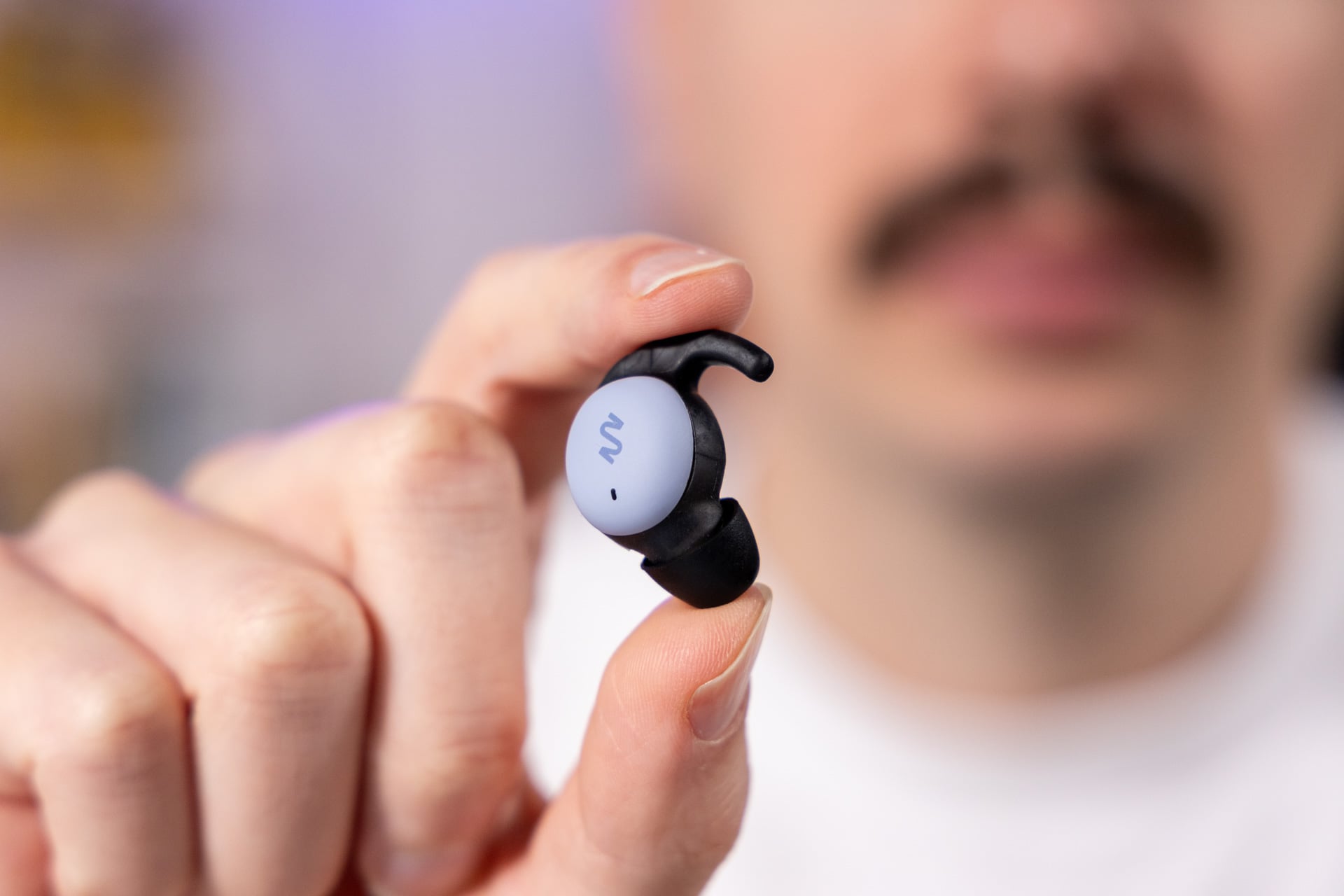
One thing hardware-wise that the Smartbuds excel in is battery life. To avoid a battery-killing Bluetooth connection to your phone, NextSense employs a similar trick to Soundcore. To play white/pink noise, you actually download sounds onto the earbuds, which play locally. To add new sounds, all you have to do is go to the app, sort through a catalog, and then add your preferred sound to the earbuds. I tested battery life (while awake, not sleeping) by letting the earbuds conduct a sleep session for an hour at 100% battery and about 60% volume, and the battery life dropped to 94% in that period. In my week’s worth of experience using the Smartbuds, I didn’t have any issues with them dying prematurely, but NextSense rates the overall battery as nine hours, with an additional 36 hours in the charging case.
Is it time to stop sleeping on sleep buds?
There are lots of devices that track your sleep nowadays, but I think what separates NextSense and its Smartbuds is that they attempt to actually fix it. In my case, I’m not sure that the results were particularly profound, but I also acknowledge that everyone will have a different experience. Maybe your tiredness is a direct result of not getting enough slow-wave sleep, and you’re not worried about being uncomfortable sleeping on your side. In that case, the Smartbuds might make a notable improvement in your sleep and general alertness, though, as I mentioned, the science is still out on whether NextSense’s approach is even the right one.
If you’re like me, however, and tiredness is a nebulous thing that you can’t quite put your finger on, the Smartbuds might just be an interesting gadget for tracking your sleep and nothing else. Was I disappointed that the Smartbuds didn’t send me springing out of bed every morning like some kind of annoying Christmas elf? Kind of. But I also recognize the promise, and any gadget that brings me closer to a less sleepy version of myself, whether directly or indirectly, is worth considering. What I’d really like to see is NextSense focus on improving the hardware to make it more comfortable for side sleepers and also a little less buggy on the Bluetooth connection side of things.
For now, the Smartbuds are an intriguing example of what sleep-tracking wearables can do with the right sensors, albeit with some hiccups in hardware and software to tidy up. Whether that’s worth spending $399 (or $299 if you get them during the launch period) on is entirely up to your budget, but there’s definitely never been a better time to stop sleeping on sleep wearables.