Scientists may have casually stumbled upon immortality through severed tissues that linger on the line between life and death.
The amputated fragment of a sea cucumber has survived for more than three years while being kept in untreated seawater, according to a CNN report, and is healing itself and absorbing nutrients without a mouth. The research appears in a new study published in Science Advances.
The torn-off tissues far outlived the length of the experiment, so while the researchers eventually had to call it quits, the severed sample could’ve seemingly gone on forever as it showed no sign of degradation or decay.
Underwater zombie
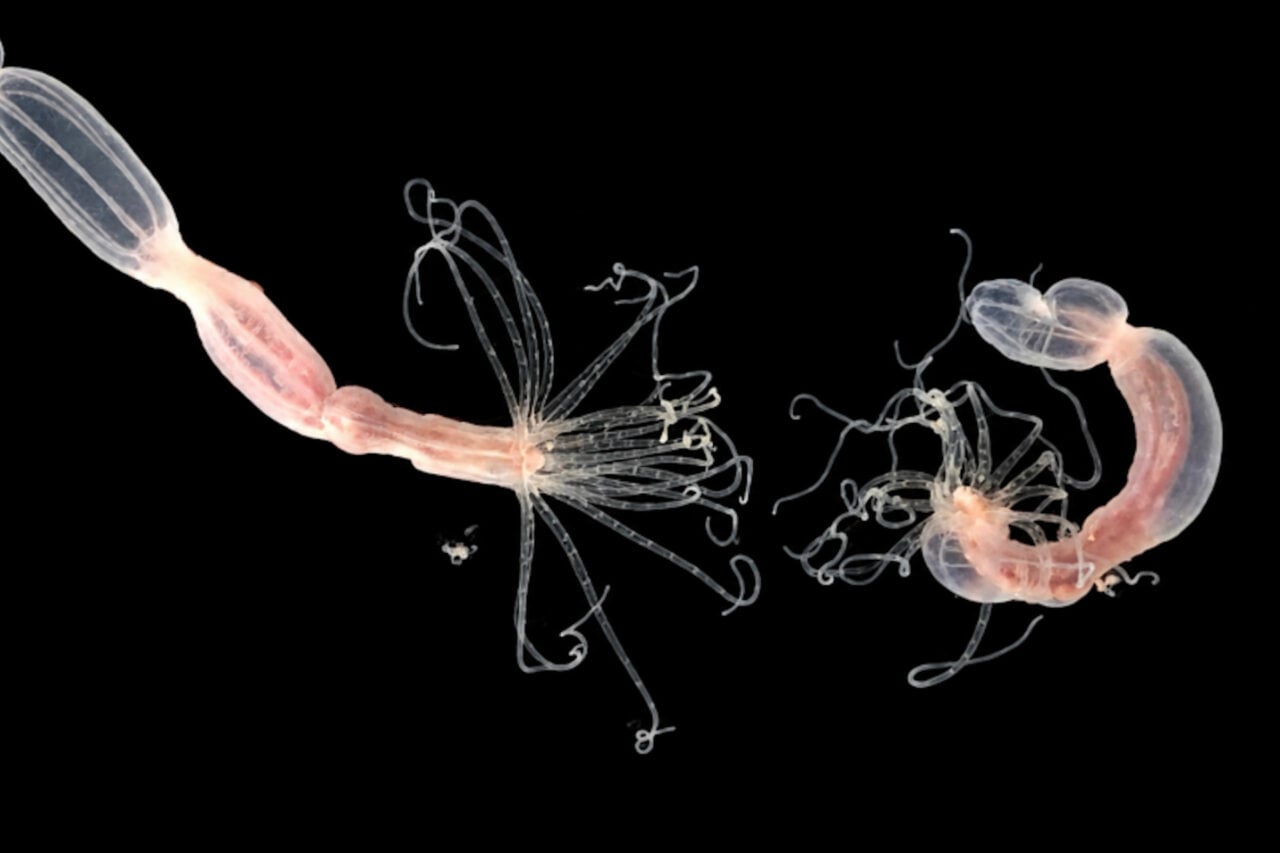
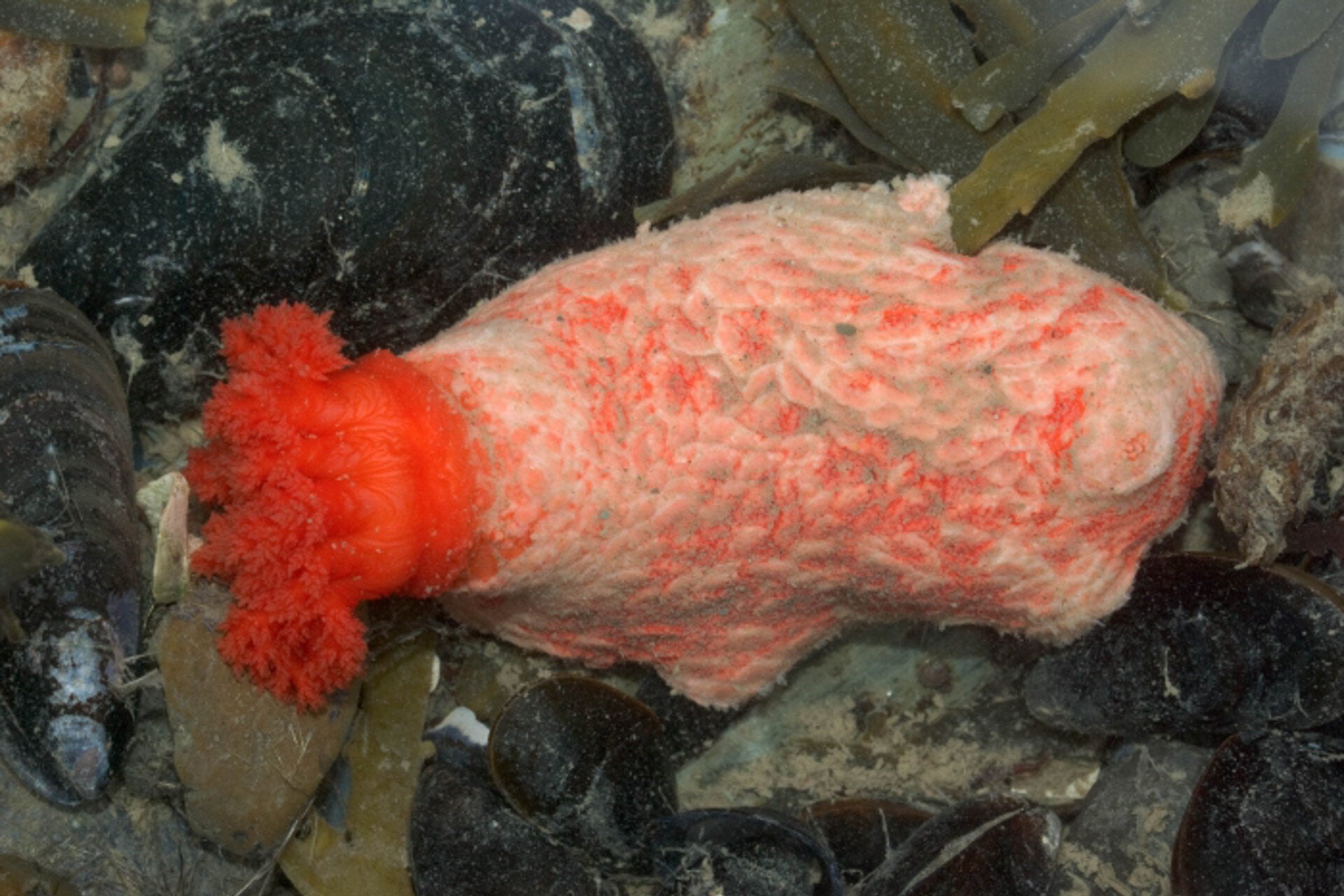
Psolus fabricii, a type of sea cucumber found in the cold waters of the Arctic and North Atlantic Ocean, is known for its highly-regenerative properties. The same way that salamanders and starfish can regrow their lost limbs, the sea cucumber is also able to regenerate a tentacle or tube foot. But what happens to the discarded appendages? Scientists have always assumed that the detached limbs would decay on their own.
The researchers behind the study, led by Sara Jobson, a doctoral student at Memorial University of Newfoundland, wanted to examine how the torn-off tissues would fare after they were detached. To do so, they removed small bits from the sea cucumber’s feet, tentacles, and main body and placed them in seawater.
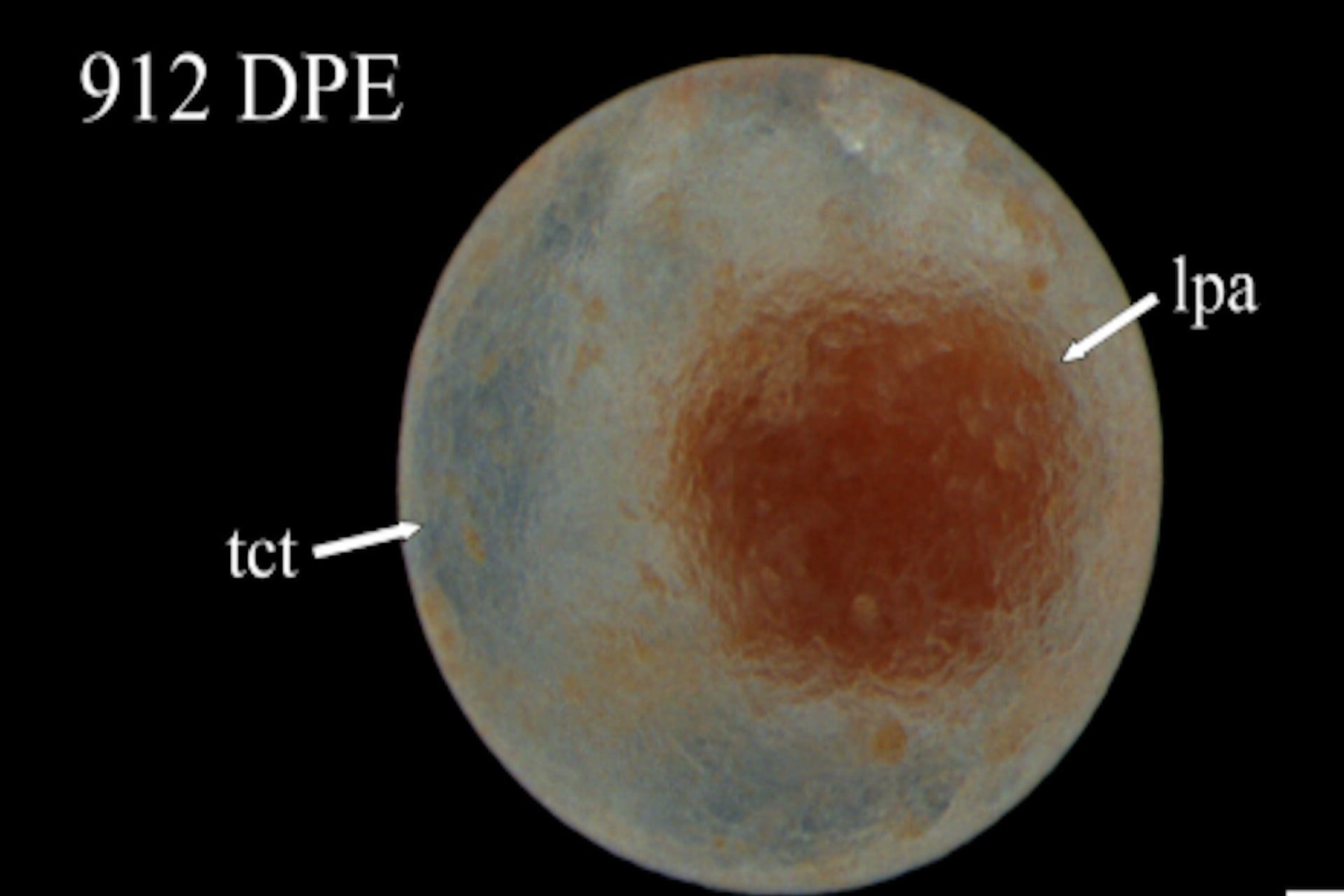
Surprisingly, the severed tissues did not die. Instead, they repaired themselves on their own and grew by absorbing nutrients. “The initial healing process included shedding of damaged and degrading tissue at wound margins,” the researchers wrote in the study. “This was followed closely by the curling in of the surrounding undamaged epithelial tissue to help seal the wound site.”
The sea cucumber chunks may be the first case of naturally occurring tissue immortality, according to the researchers. While previous experiments have placed tissue samples in a sterilized and controlled culture, the detached bits of the sea cucumber survived in regular seawater that’s filled with bacteria and other living organisms.
Forever is a long time
While the severed tissues merely survived on their own, they did not grow into a freshly regenerated sea cucumber. Instead, they tethered the line between living and dead.
The living tissues maintained cellular function and so was able to stay alive, but they were not able to reproduce or become a whole new organism on their own. It’s as though their whole purpose became just staying alive.
Three years into the experiment, the severed parts were still going strong and showed no signs of the onset of death. The researchers eventually opted to wrap up the experiment in order to publish their findings.
The study, however, could help scientists better understand tissue regeneration and cell biology, with possible implications for the broader medical field. It also changes scientists’ perception of tissues in relation to the organisms from which they come from, as the sea cucumber’s tissues not decaying but simply existing with no evolutionary purpose opens up a whole new set of questions about what it means to live forever.