Some Composters Don’t Want Bioplastics
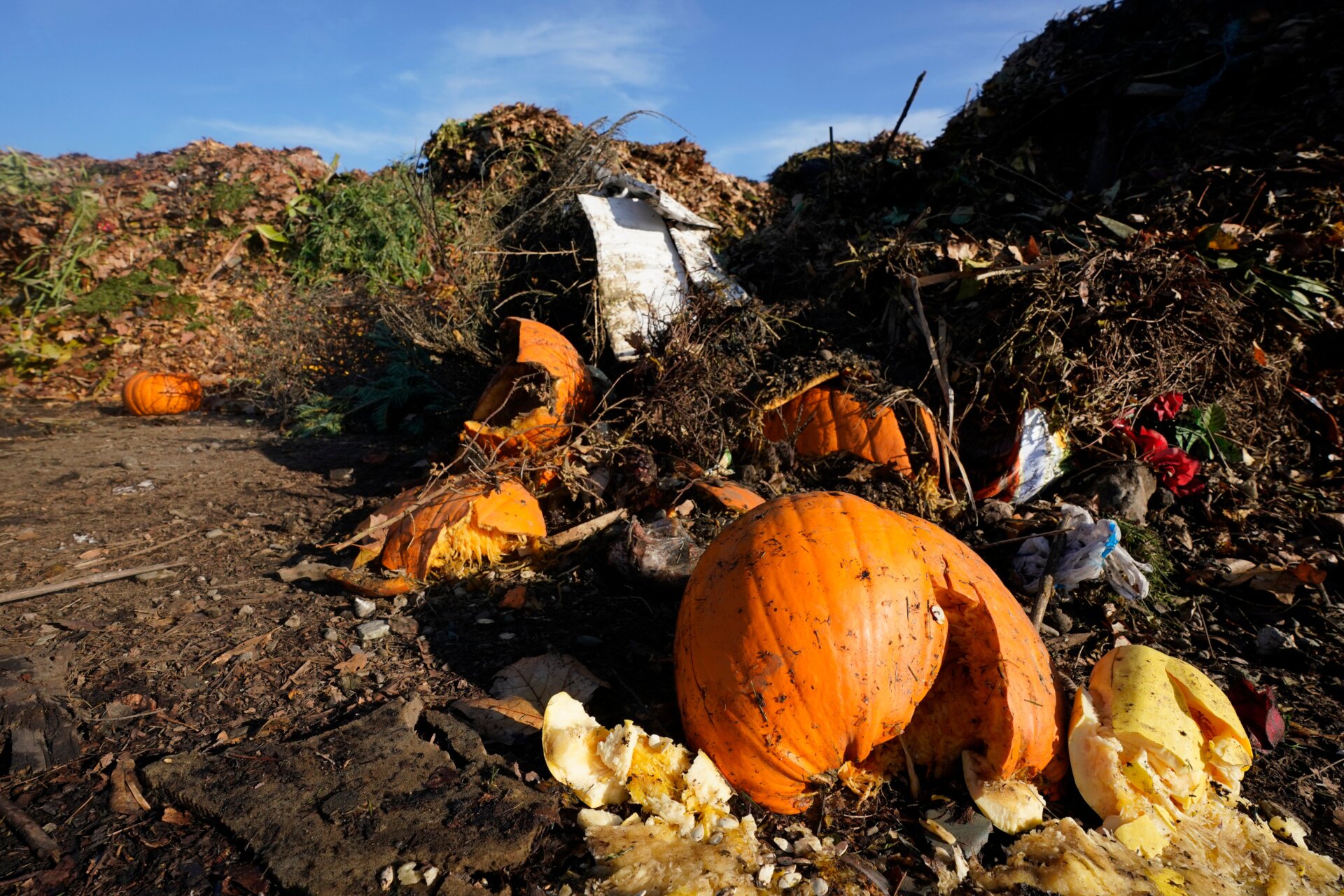
Just because something can be composted doesn’t mean the composters always want it. In 2019, a coalition of Oregon commercial composters announced that they would no longer accept compostable food packaging and silverware. In the announcement, they list a range of reasons: bioplastics don’t always compost; un-compostable plastics can get mixed in with the compostable stuff; compostable plastics make the resulting product harder to sell; and chemicals from bioplastics may be released into the soil.
“Not only do compostable products often cost more to purchase, they also drive up the costs to operate our facilities and impede our ability to sell finished compost,” the composting group said in its announcement. “Compostable packaging is promoted as a means of achieving ‘zero waste’ goals but it burdens composters (and recyclers) with materials that harm our ability to efficiently process recovered materials. Reusable dishware is almost always a better choice for the environment.”