Ugh, God, So What Should We Do?
Some scientists are working on processes that can make bioplastics more easily compostable. But Fox said that continuing to rely on bioplastics is like putting a Band-Aid on a mortal wound.
Bioplastics “are just a distraction from addressing the bigger problem: our escalating, intertwined plastic pollution and climate change crises,” Fox said. “It doesn’t matter all that much if the plastic is made from corn kernels or sugar beets or crude oil or ethane—it’s still plastic that’s filled with chemicals and it’s still going to end up in our landfills, incinerators, and ocean and create a lot of greenhouse gas emissions along the way.”
If you’re forced to pick up something in plastic, and you have access to a commercial composting program that accepts bioplastic, choosing a compostable cup is not a terrible option. But we need to start shifting our viewpoint from wishing for a magic plant-based plastic to thinking about longer-term, more sustainable solutions.
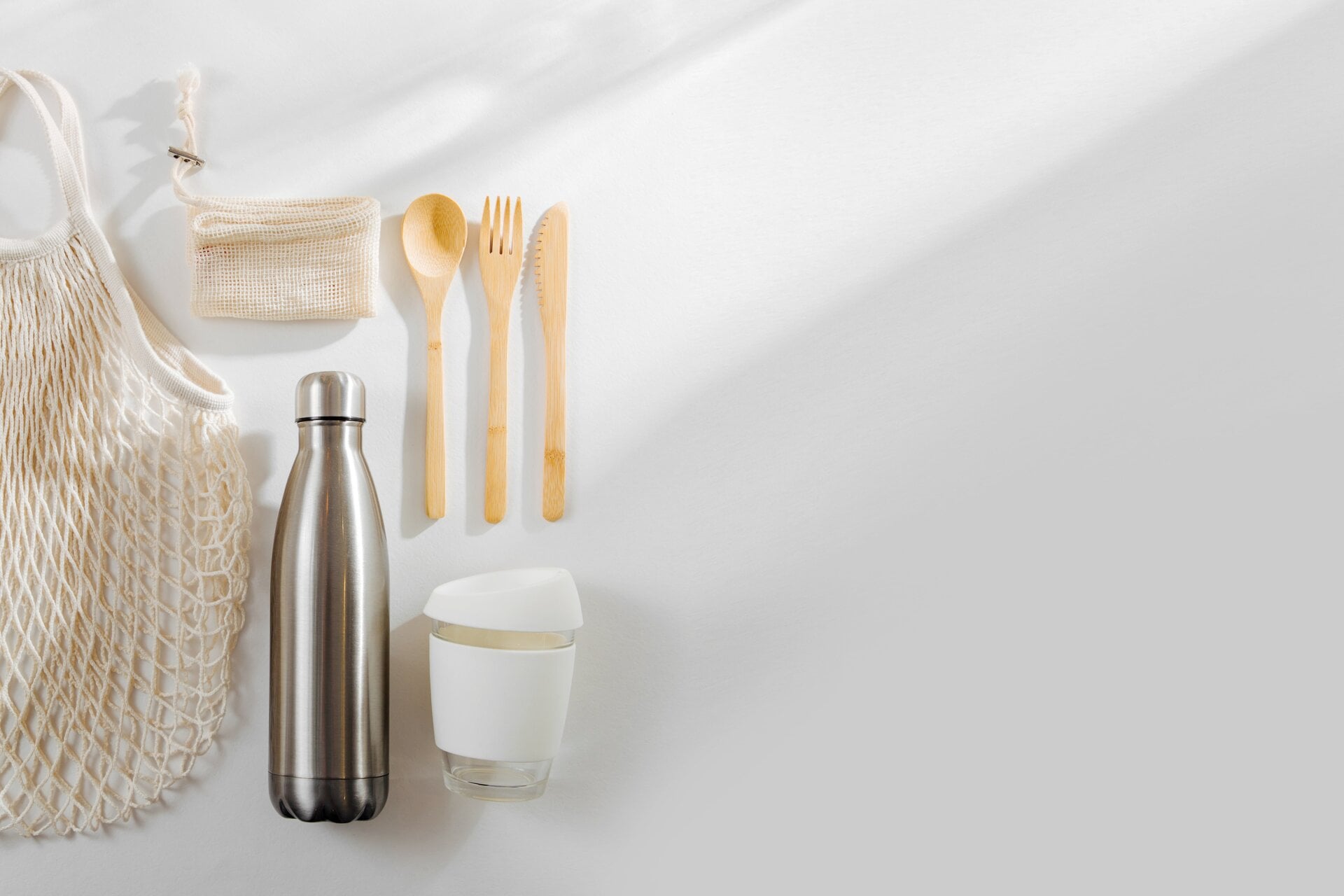
“We should be spending that time and money investing in improving and expanding reusables and switching to refillable systems, instead,” Fox said. “Milk used to be delivered in reusable glass bottles. So did Coca-Cola and other sodas. We should go back to that on a larger scale with systems that are adapted to the current consumer landscape. Coca-Cola recently announced that they will sell 25% of their products in refillable/returnable containers by 2030—I consider that to be far more hopeful and innovative than their years-long collaborative effort with other major beverage companies to create a beverage bottle out of 100% bio-based plastic.”