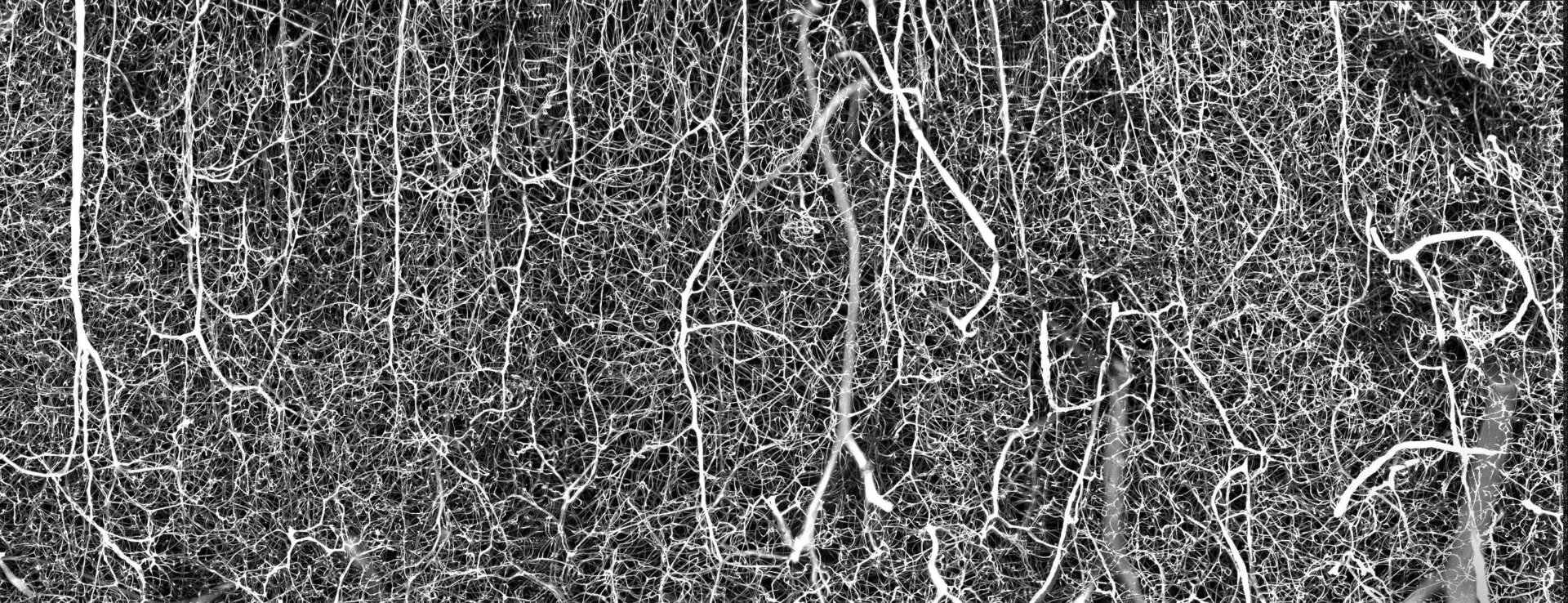
Andrea Tedeschi of The Ohio State University won the sixth-place prize for an image showing the intricate—if not chaotic—three-dimensional vasculature of an adult mouse brain.
Users really trust AI chatbots, some experts say too much.
A new study found that alcohol-related cancer deaths in the U.S. have risen over the past three decades from an estimated 11,400 in 1990 to over 23,100 in 2023 annually.
New research points to certain immune cells in our lymph nodes that play a key role in causing the brain damage seen with Alzheimer's.
Shingles infection might help trigger dementia. And preventing it though vaccination might forestall the latter, too, studies have found.
Anti-amyloid drugs likely provide no "clinically meaningful" effects for people with Alzheimer's, the authors concluded.
You know what speeds up medical research? Money.