Canola Oil
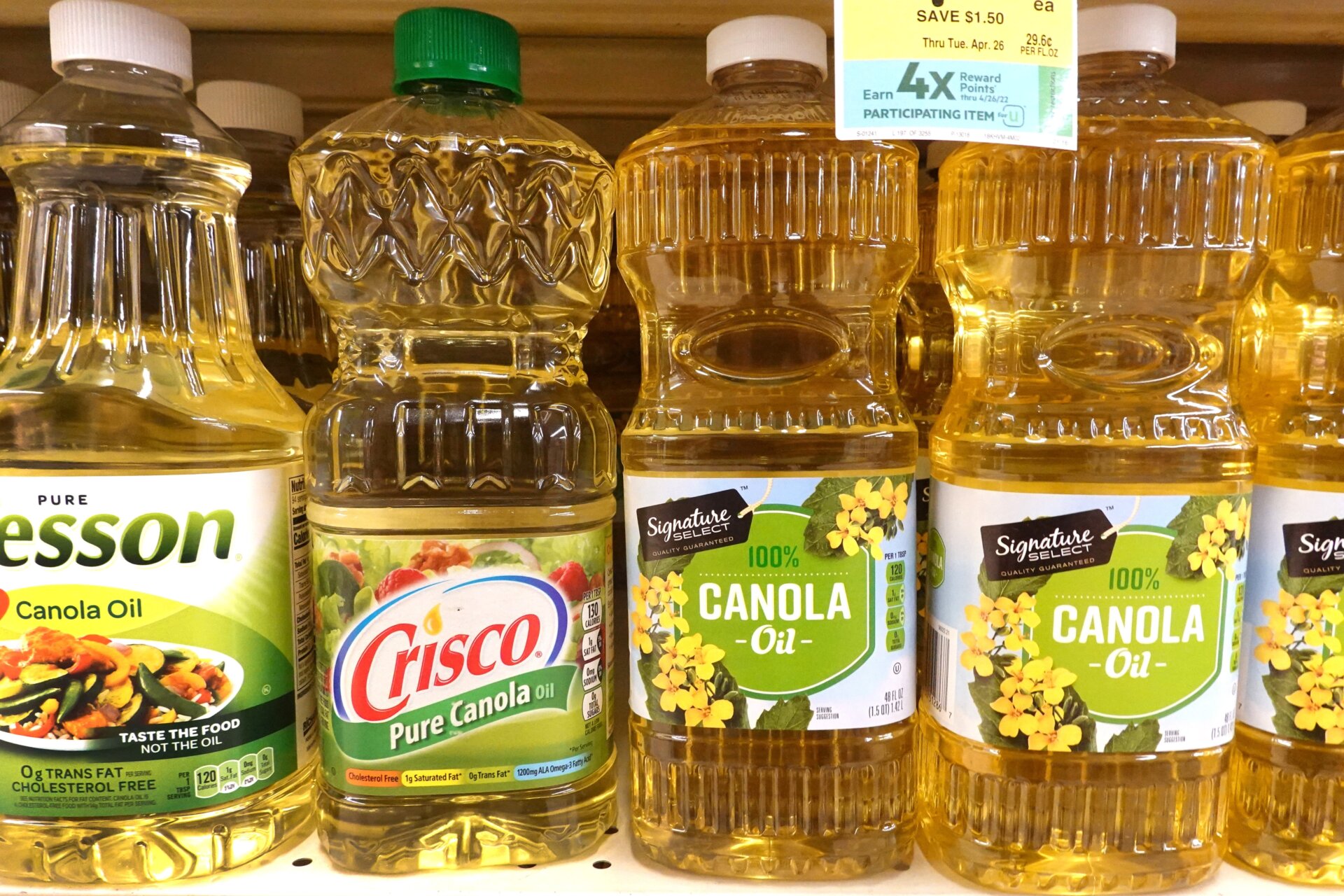
Canola oil, made from the seeds of the canola plant, is one of the most widely used cooking oils in the world. But it’s periodically gotten a bad rap since its debut in the 1970s. During the days of the early internet, for instance, it was an occasional target of fear mongering chain letter emails, which claimed that canola oil was connected to everything from high blood cholesterol to mad cow disease. More recently, it’s been maligned as one of several toxic “seed oils” that are poisoning the population.
These claims, either in the 1990s or the 2020s, have no strong evidence behind them. And in fact, canola oil seems to have some advantages over other cooking oils, such as a higher level of monounsaturated fats. It’s also a good source of nutrients like vitamin E and K. It is commonly used in many fried foods and baked goods—foods that should be eaten in moderation. But canola itself is not the bogeyman.