Predictions that highly skilled jobs in medicine would simply be automated with AI, sometimes articulated by luminaries like Geoffrey Hinton, haven’t panned out so far. Just picturing what it would theoretically be like to be examined by an AI doctor made the AI-enabled enshittification of healthcare seem like a distant danger at the absolute worst. But a new pilot program in Utah might clear away some of the fog around this concept, and make visits to Dr. Slop feel one step closer to reality.
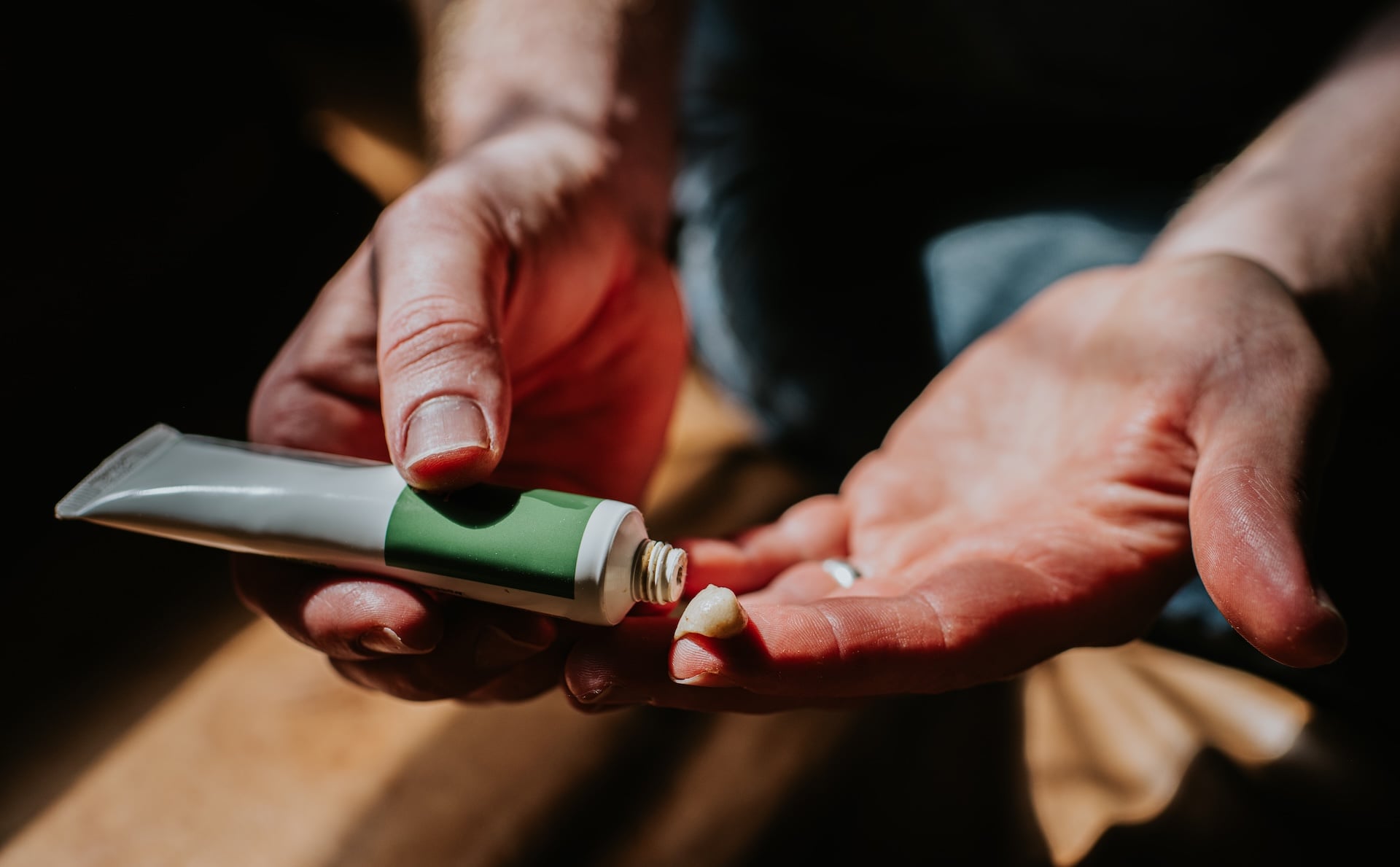
For now it’s just a one-year program, according to a Monday story from Bloomberg, and it’s only for patients with mild-to-moderate acne. Severe or complex cases will be referred to a human doctor.
And this is the second big step Utah has taken toward automating some of the more transactional aspects of the American healthcare system. In January, Utah rolled out another pilot program that allows patients to opt into an AI system in which—after a doctor’s validation of the initial action—an AI can renew certain prescriptions. There’s an ongoing backlash to that program from doctors who believe it’s unsafe.
The new acne pilot, which started Monday, involves the use of an app called Nolla Derm from a company called Nolla Health. The app takes images of the patient’s face, and asks them to then input their personal details and medical history. Nolla Derm analyzes their acne, the presence of excess skin oil, and gives them, according to Bloomberg, an “acne severity score.”
According to a press release, the program will not be fully automated for a while, requiring a slow phase in, in which doctors are in the loop for the first 100 prescriptions. That will be followed by a “phase two,” for the first 500 prescriptions, in which the AI fully prescribes the medications, but doctors review those prescriptions retroactively. After that the prescriptions are fully automated, though a doctor will review a sample of cases afterward.
The release quotes Nolla Health’s Chief Medical Advisor Dr. Zaid Fadul as saying the AI “can’t improvise,” and that prescriptions include only a “short list of physician-approved topical treatments.” The app costs $4.99 per month.