Mosquitos
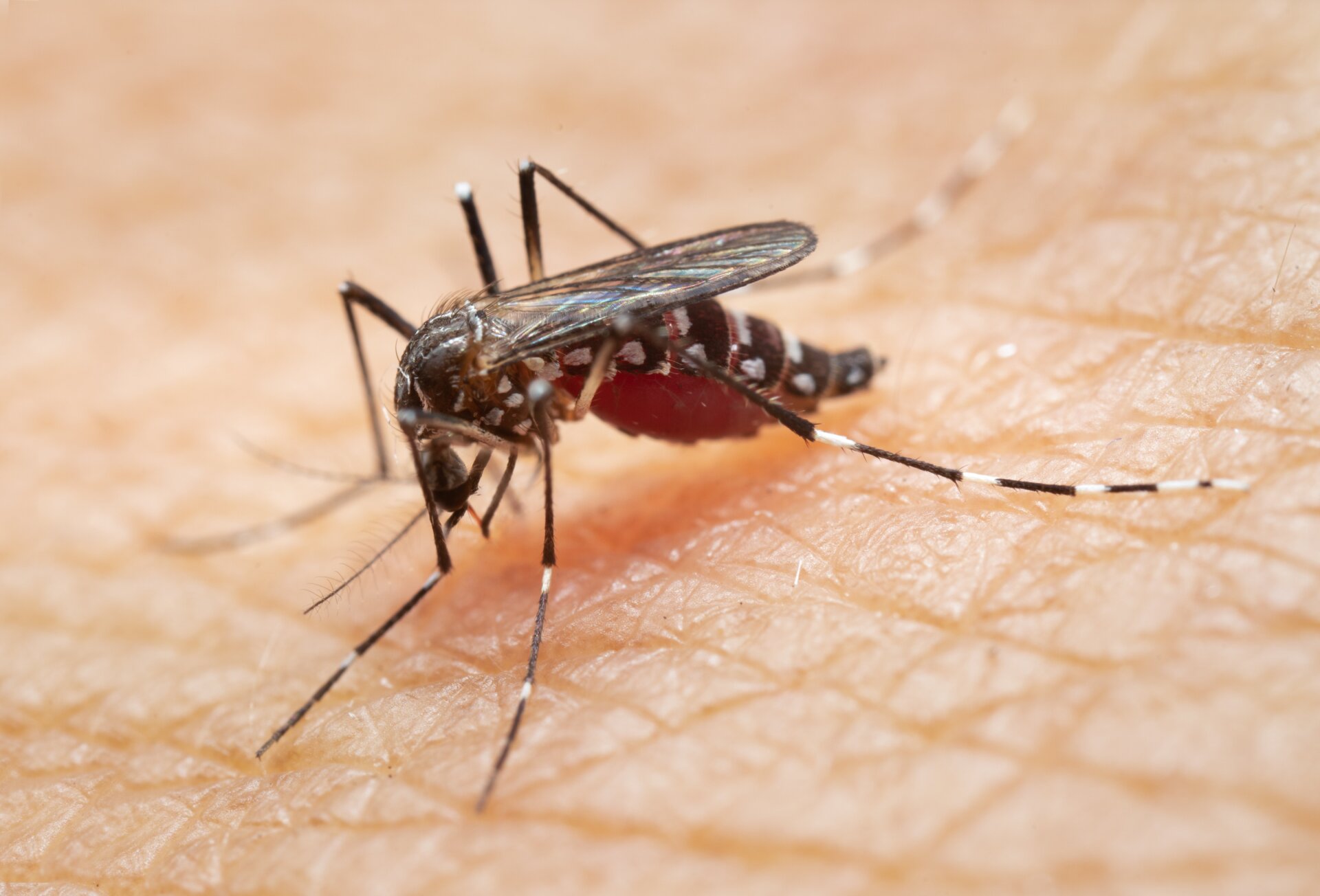
If you love donating blood, you’re in luck. Mosquitos are thriving under climate change in lots of places. Mosquito season is getting longer, mosquito populations are booming, and mosquito ranges are growing. Unfortunately, mosquitoes carry some of the world’s worst infectious diseases. For instance, malaria, which kills hundreds of thousands of people worldwide every year, mostly in sub-Saharan Africa. Other diseases like dengue fever, chikungunya, and Zika are likely to become more widespread as well, with millions or even billions more people at risk of exposure.
Multiplying mosquitoes have implications for other wildlife, too, which can also be impacted by mosquito-borne illnesses. In Hawaii, for example, avian malaria has caused multiple endemic bird species to go extinct. A few more species are hanging on by a thread at higher elevations, in habitat just outside the invasive mosquito’s range. But mountains have tops, and in a warming world, mosquitos will eventually win the chase as the birds run out of places to go. Proposed solutions to save the endangered birds include releasing genetically modified mosquitoes and relocating birds elsewhere.
As a bonus: all that extra time to breed each year means climate change might be speeding up mosquito evolution, too. More generations means more chances for the world’s deadliest animal to get even better at being the worst.