A research base near Antarctica is about to be cleared of its human residents for the rest of the year, and the reason is equal parts saddening and horrifying.
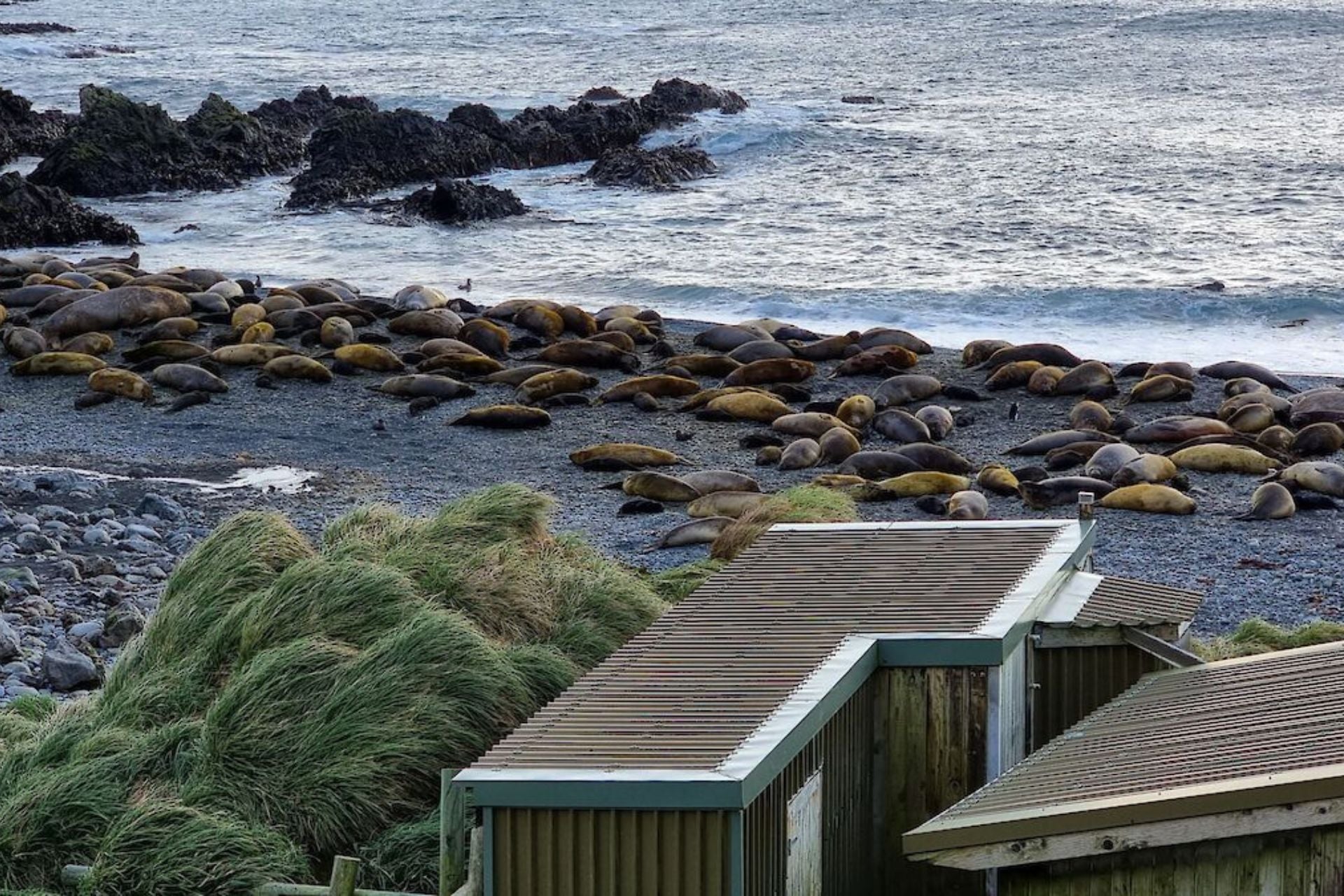
The Australian Antarctic Division (AAD) recently announced that it would be pulling all of its researchers from a base on Macquarie Island over concerns of bird flu. The government isn’t really worried about them catching bird flu—it’s worried about them having to personally witness the island’s elephant seal population being decimated by the infectious disease.
“We’ve come to this really difficult decision of withdrawing staff,” federal environment department deputy secretary Sean Sullivan told the Australian Broadcasting Corporation last week. “And that’s being done primarily for the psychological risks that will be facing staff if they are there for extended periods of time inside a mass mortality event.”
The impending seal massacre
Macquarie Island is located halfway between Tasmania and Antarctica in the southwestern Pacific Ocean; it’s part of the sub-Antarctic zone.
The government has had a research station on the island for over 70 years, and scientific programs there have run the gamut from studying atmospheric changes to monitoring nearby wildlife like seabirds and seals. In May, the island’s current 24 human inhabitants—which include tradespeople, scientists, and support staff—began an expedition expected to last about a year. But those plans are now being kiboshed.
According to the AAD, expert assessments have predicted that a strain of H5 bird flu will soon cause a “significant mortality event” during the upcoming breeding season for the island’s seals.
Young elephant seals appear to be particularly vulnerable to this type of bird flu, with past outbreaks exhibiting pup mortality rates as high as 90%. Up to 100,000 seals regularly visit the island annually, the AAD says, while thousands of seals are born close to the station in the spring (in the Southern Hemisphere, astronomical spring runs from late September to late December). In other words, the research base staff would likely have a front-row seat to a gruesome sight if they ended up staying.
“Our expeditioners already live and work in one of the world’s most remote and challenging environments,” Sullivan said in a statement from the AAD explaining the decision. “It is important that we minimize any additional risks that could affect their wellbeing and the safe operation of our stations.”
What will happen now?
Australia’s icebreaking research and supply vessel, RSV Nuyina, is expected to pick up the staff and essential cargo sometime in late September or early October. No such evacuations will happen on other research stations near Antarctica since these aren’t close to wildlife that could be hit hard by bird flu. Unfortunately, the AAD says “active control measures” to help mitigate the likely outbreak among seals are not being planned due to the island’s remoteness and harsh conditions.
“The Australian Antarctic Division is exploring options for monitoring the situation on Macquarie Island, with a view to returning expeditioners to the station in coming seasons,” Sullivan said.
The possible silver lining here is that efforts to protect the island environment from invasive species and other disruptions have largely been successful. In 2014, for instance, the island was officially declared free of rabbits, rats, and mice. These efforts have made it easier for native animals like elephant seals to maintain robust populations, which should give them a fighting chance to bounce back from disasters like H5 bird flu, according to the AAD.