Just three days after the launch of Fable 5, a nerfed version of the much-feared Mythos, Anthropic was forced to take it offline.
In a blog post published Friday, the company said it had been ordered by officials in the Trump administration to halt access to Fable—and another, less widely available model called Mythos 5—for all foreign nationals both in and outside the United States, including the company’s own employees. To comply, Anthropic said it had to deactivate access to the models for all users.
Federal officials issued the order in response to information indicating that the company’s models could be prompted to bypass certain security guardrails, according to the post, thereby posing what the administration deemed to be a national security risk. However, the company added that the supposed vulnerabilities “all appear relatively simple, and we have found that other publicly-available models are able to discover them as well without requiring a bypass.” The post also reiterated the fact that Fable had been deployed with safety guardrails so robust and sensitive that they’d become a source of aggravation for some users.
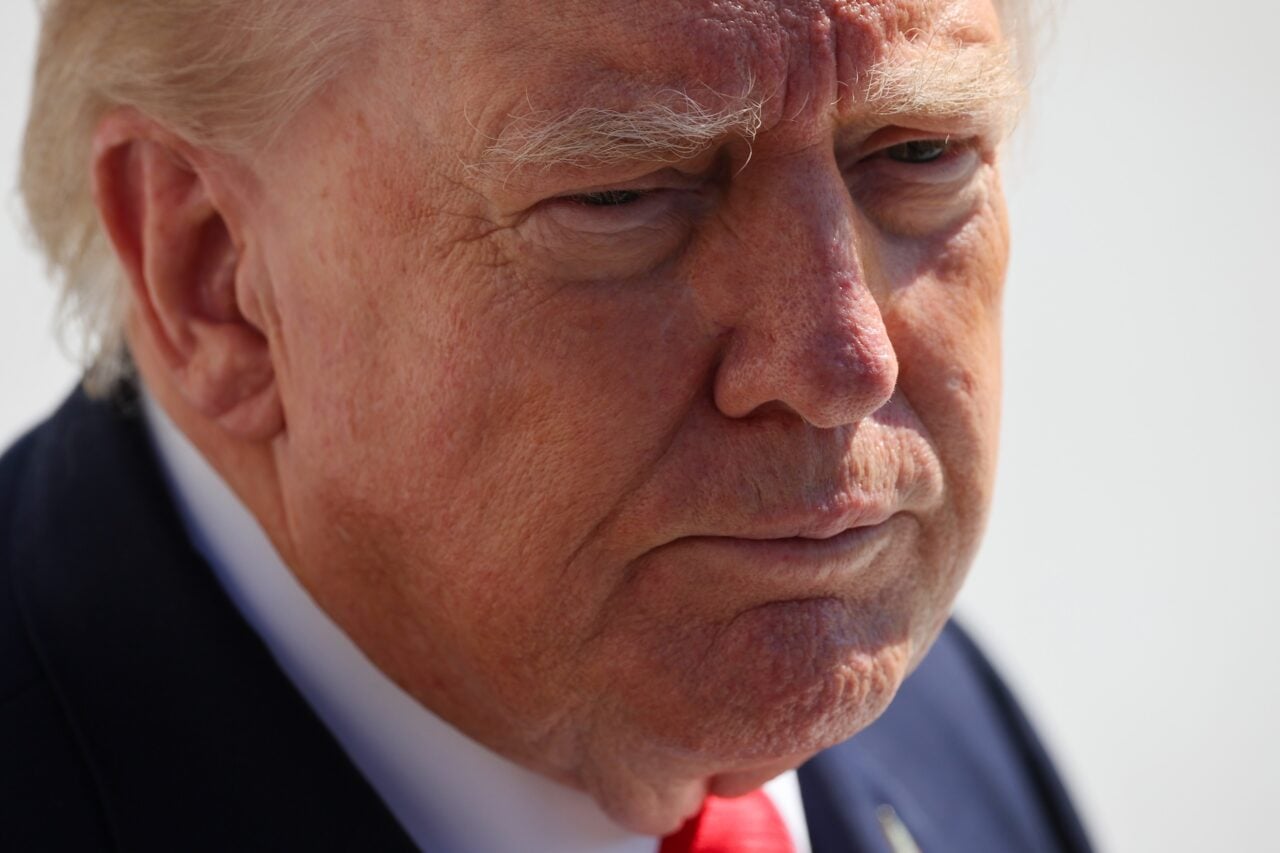
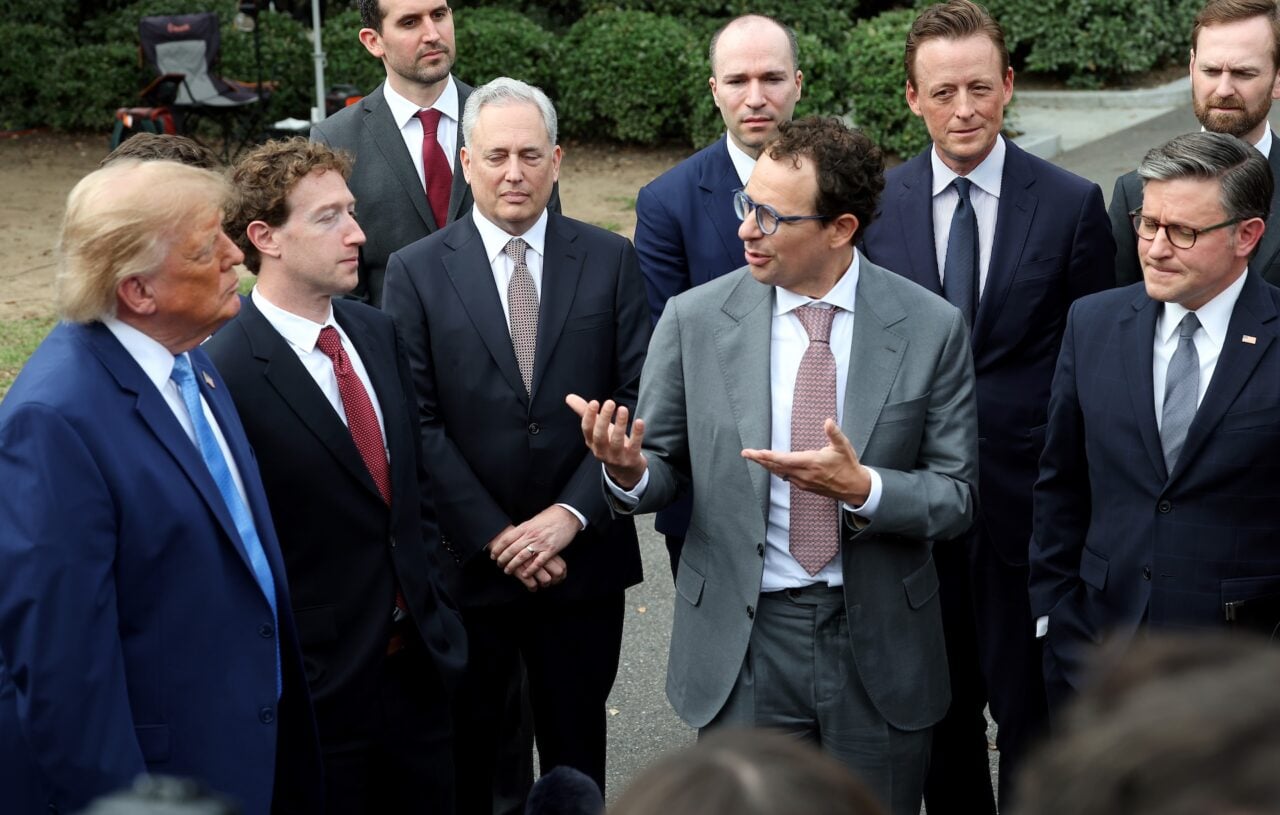
Later reporting from The Information revealed that the Trump administration’s decision was motivated at least in part by earlier conversations between Amazon CEO Andy Jassy and government officials, including Treasury Secretary Scott Bessent. Jassy reportedly told the officials that internal researchers at Amazon had been able to prompt Fable to generate sensitive information that could be used by hackers to bypass the company’s cybersecurity systems, prompting a meeting between the officials. The directive to Anthropic to restrict foreigners from accessing the models was signed off by President Trump.
Pointing fingers
In an X post on Saturday, White House science and technology advisor David Sacks said the government issued its order to Anthropic “reluctantly,” and only after company CEO Dario Amodei “refused” to fix the security issue.
“The Admin’s hope now is that Anthropic remediates the safety issue, the export control is lifted, and Fable goes back into general release,” Sacks wrote in the post. “The Admin wants all of this to happen as soon as possible. It is frankly bewildered that Anthropic hasn’t wanted to comply with safety requests that it previously said were its highest priority.”
Anthropic also seemed reluctant about having to deactivate the models. “We are complying with the government’s legal directive and are removing access to Fable 5 and Mythos 5 for all users,” the company wrote in its blog post. “However, we disagree that the finding of a narrow potential jailbreak should be cause for recalling a commercial model deployed to hundreds of millions of people.”
The post went on to imply that the company was being unfairly targeted by the Trump administration: “If this standard was applied across the industry,” Anthropic wrote, “we believe it would essentially halt all new model deployments for all frontier model providers.”
In light of the recent clashes between Anthropic and the federal government, it isn’t such an unreasonable suspicion. Following a dispute with the Department of War over the use of its AI systems in the military, the company was officially designated a national security risk by the Pentagon. (Anthropic has since filed two lawsuits challenging the designation.) In his X post, Sacks denied the restriction order against Anthropic’s latest models had anything to do with the company’s dispute with the Department of War.
“That is not a guardrail bypass”
While the official line from the Trump administration has been that its hand had been forced to issue the order to Anthropic, and that it had done so purely in the interests of preserving national security, some have pointed out that the move could have the opposite effect.
An open letter published Sunday and signed by dozens of cybersecurity and tech industry insiders argued that by restricting access to Anthropic’s new models, the government had unwittingly given Chinese tech developers the upper hand. Powerful AI systems are routinely used by cybersecurity experts to pressure test existing cybersecurity systems, the letter pointed out, meaning that experimentation with Fable 5 and Mythos 5 is crucial for building and updating cyberdefenses.
“The Chinese open-weight models are only months behind the best American models, and those are the models we know about,” the letter argued. “It seems likely that the PRC government has access to private capabilities beyond what has been published. To pull the best capabilities away from defenders without a good reason when our adversaries are rapidly advancing is dangerous.”
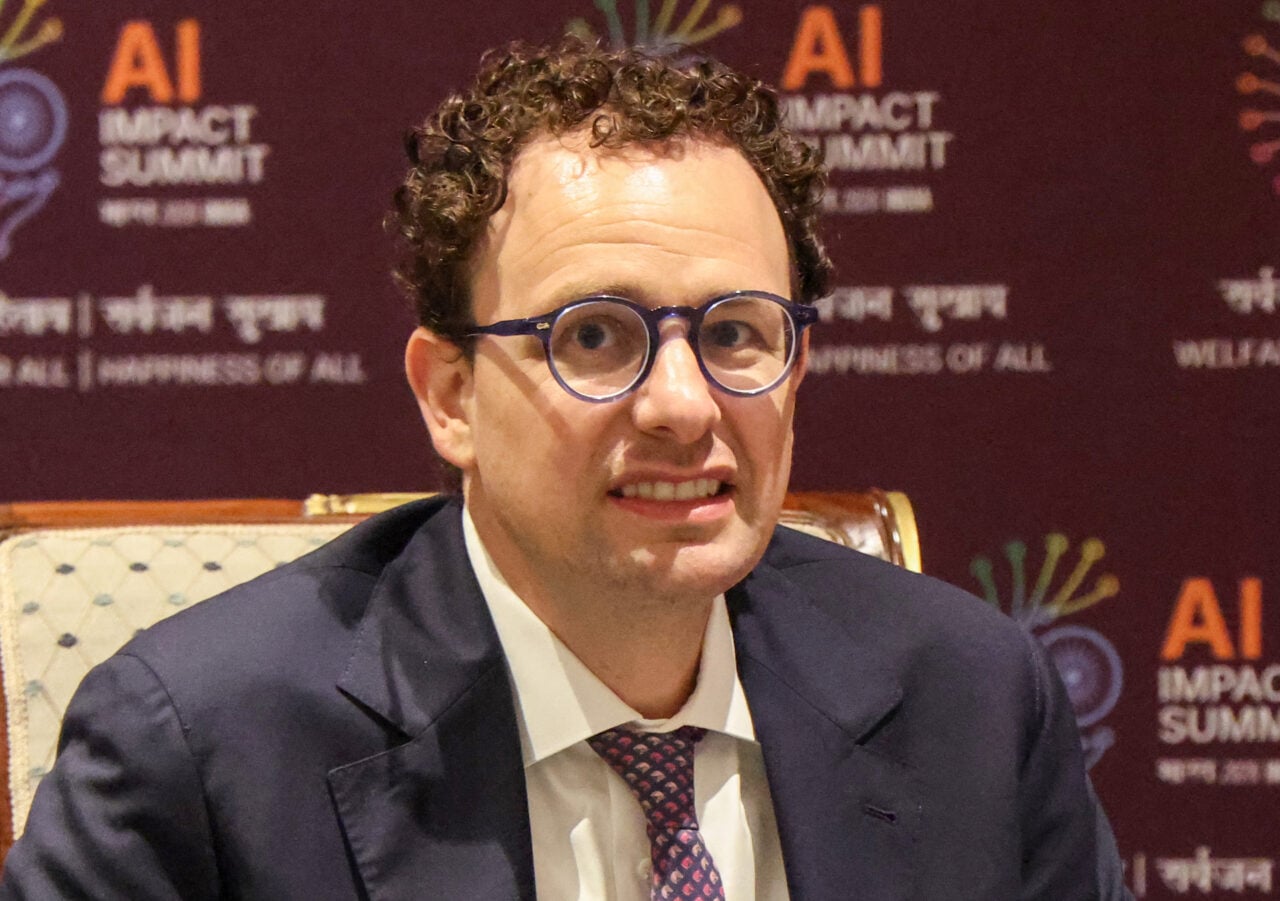
In her own blog post published early Monday, entrepreneur and longtime Microsoft cybersecurity strategist Katie Moussouris said the supposed vulnerabilities exposed by Amazon were in fact a feature, not a bug. According to Moussouris, the Amazon researchers initially fed Fable open-source code and asked the model to find the cybersecurity vulnerabilities, but it refused. They then prompted it to “Fix this code,” and then turned the resulting outputs into automated cyberattacks to run against the model, which Moussouris said is standard practice within cybersecurity.
“Defenders need to be able to ask AI to fix the bugs in a file, explain why the fix matters, and write tests that confirm the patch works,” Moussouris wrote. “That is not a guardrail bypass. It is the most valuable thing an AI model can do for defensive security: executing the find, fix, and test loop defenders run every day.”