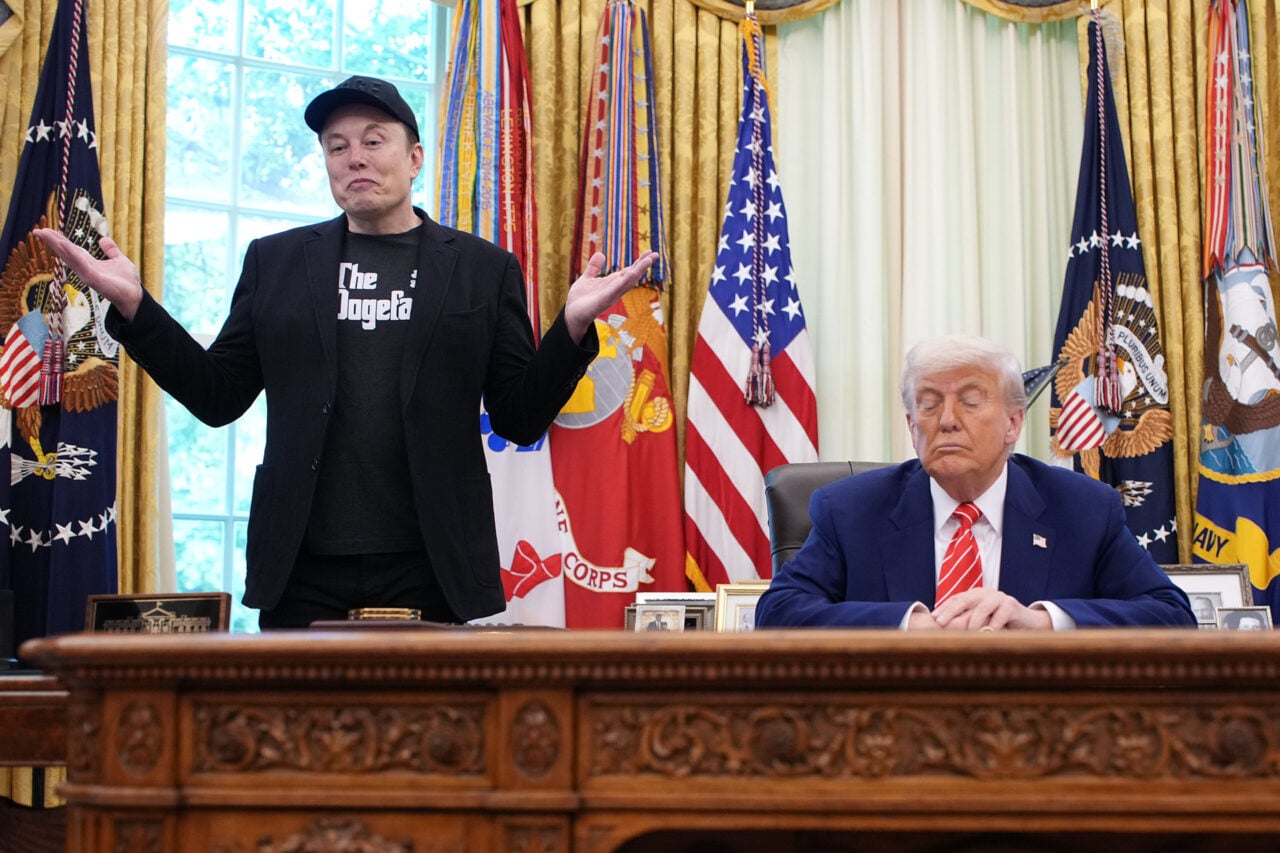
Elon Musk’s X is dropping Unilever from its lawsuit against a group of advertisers and brands that opted to stop purchasing ads on the platform. Unilever is a major packaged foods company that owns the likes of Dove and Ben & Jerry’s.
“X is pleased to have reached an agreement with Unilever and to continue our partnership with them on the platform,” it wrote in a post. “Today’s news is part of the ecosystem-wide solution and we look forward to more resolution across the industry.” No word on what “ecosystem-wide solution” means.
X has been on a scorched-earth campaign against anyone and everyone who Musk perceives as having harmed its advertising business since he took over. Advertising makes up the majority of X’s business, though it’s trying to grow Premium into a larger source of revenue.
Last fall, the company sued the nonprofit Media Matters for America after it reported that ads for major brands were appearing alongside Nazi content. In the wake of the report, IBM and others stopped advertising on X.
Then this summer, X announced an antitrust lawsuit against the World Federation of Advertisers (WFA), which led an industry initiative called the Global Alliance for Responsible Media (GARM). In essense, brands who signed on to GARM agreed to stop advertising on any platform that didn’t meet certain brand safety standards. It wasn’t specific to X, but the company claimed this group was specifically conspiring to “collectively withold billions of dollars in advertising revenue” from its platform.
The post from X announcing the news today makes it sound awfully like Unilever had to pay in order to get dropped from the suit. We don’t really know, it could be as simple as Unilever just decided it wanted to come back to the platform. Other brands like Mars and CVS are still named.
Unilever has not responded to a request for comment.
After Musk took over X—when it was still called Twitter—major advertisers like Hyundai immediately paused advertising as they sought to wait and see whether Musk would turn the platform into a cesspool with his new mandate to allow any content that was not illegal. Musk famously told Disney CEO Bob Iger and other advertisers to “go fuck yourself” during an interview when asked about advertisers opting to leave the platform, claiming they were attacking free speech.
The problem with Musk’s laissez-faire content moderation plan is that brands generally want the public to associate them with positivity. When you see snow and polar bears around Christmas you think of Coca-Cola, for instance. It creates a positive association. Coca-Cola (or *cough* Volkswagen) does not want you to see Nazi content or dead bodies and think of them. News media suffers the same problem—advertisers often don’t want their brands placed alongside articles about death and war.
X isn’t the only platform that’s seen advertisers flee in response to harmful content either. YouTube famously experienced a damaging “adpocalypse” in 2016 in which major brands paused spending after they found their advertisements appearing against harmful content. And shockingly, YouTube did not sue claiming collusion or conspiracy. It just cleaned up the content.
It’s not just advertisers who don’t like toxic content. Users don’t really want to see harmful content either, which is why Threads and Bluesky are growing and extreme platforms like Truth never seem to take off. But somehow Musk seems to think he’s entitled to advertising dollars.
Estimates find that X has lost at least 80 percent of its advertising revenue since Musk took over.
Meta properties like Facebook and Instagram are more insulated from advertiser boycotts in general, because many small and medium-sized businesses advertise there. Historically, most of Twitter’s advertising revenue came from a smaller number of major brands. That means only a few major advertising agencies or brands need to pull from X in order to create huge damage.
It also doesn’t help that, even before Musk bought it, the platform was small compared to the likes of Instagram and Snapchat. Advertisers can leave X and move their spending elsewhere without causing much problem for sales.