The AI boom continues to drive new data center projects (and subsequent public outcries) across the country, while a law that sets standards for how federal agencies build, use, and operate data centers is about to expire this year.
Citing unnamed sources, Wired reports that the U.S. government is set to allow the Federal Data Center Enhancement Act (FDCEA) to expire without any clear plan to renew or replace it.
The FDCEA was passed in 2023, as part of the National Defense Authorization Act for Fiscal Year 2024, before the current AI data center boom really took off. The law set standards for subjects like cybersecurity and sustainability for federally operated (and some contractor-operated) data centers.
In compliance with the law, the Office of Management and Business (OMB) currently requires agencies planning new data centers or major upgrades to arrange an assessment by certified data center energy-efficiency specialists and consider energy and water use in their designs.
The law is set to expire at the end of September, and so far, it appears neither the Trump administration nor lawmakers have made major moves to extend or replace it.
“Never in the history of data center policies has a policy expired without another one having been painstakingly worked on for three years behind the scenes,” a General Services Administration (GSA) employee told Wired. “The technology has changed so much it’s not about getting everything right, it’s about doing the best they can and updating to a new policy.”
The apparent plan to let the rule die comes as the Trump administration has taken a largely hands-off approach to overseeing the AI industry. The administration has argued that advancing AI is key to U.S. national security and economic competitiveness.
For example, just last week, Trump administration officials directed the Center for AI Standards and Innovation, or CAISI, to pause public reports on its AI model reviews while President Donald Trump’s latest AI executive order is implemented.
Trump’s latest AI executive order, signed earlier this month after being postponed, calls for a new voluntary framework that would let AI companies give the federal government access to frontier models up to 30 days before their wider release to “strengthen the cybersecurity of critical infrastructure.” An earlier draft reportedly called for a longer 90-day review window.
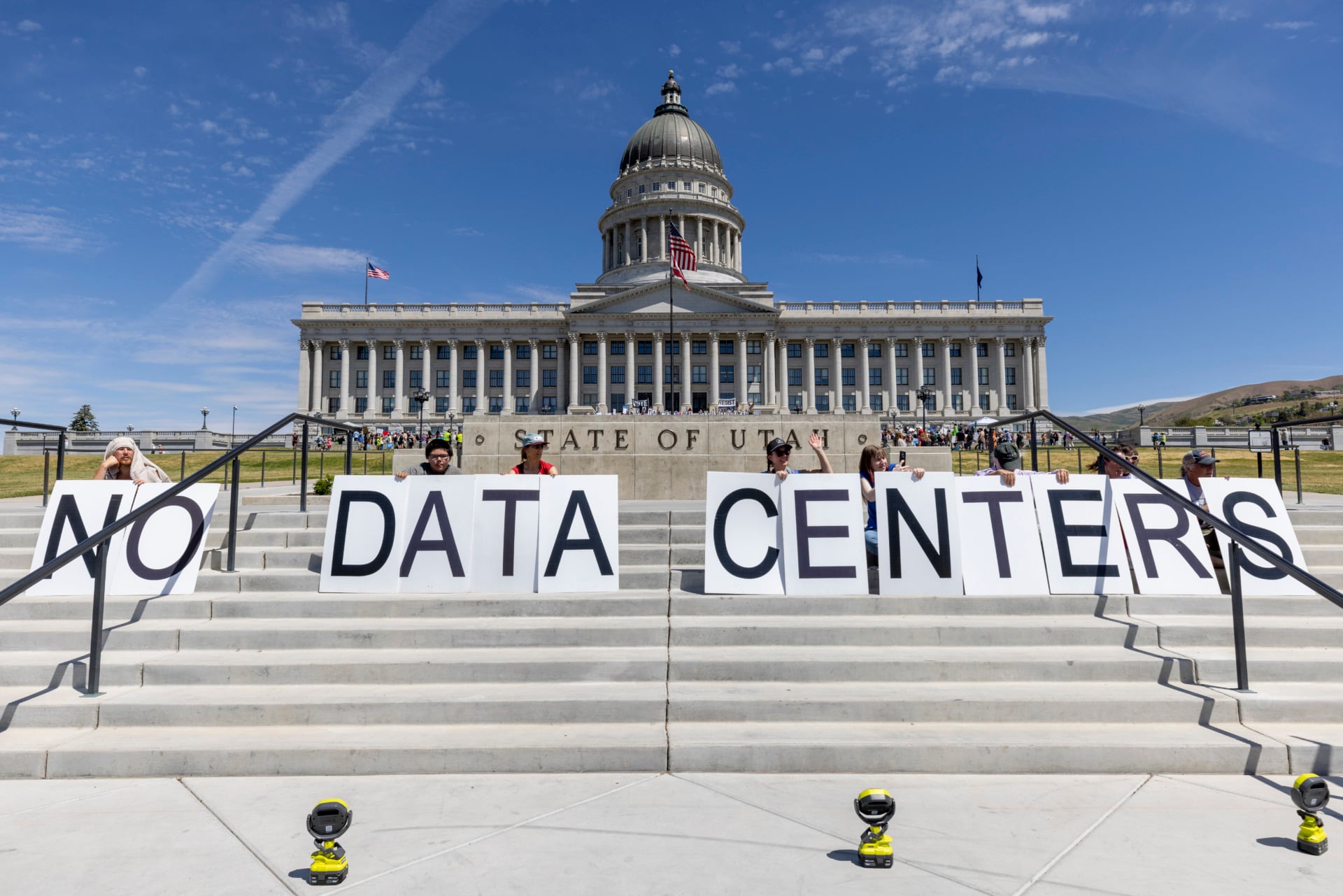
The administration’s pro-AI stance is also clashing with growing community backlash, especially from local residents worried about the strain these massive facilities could place on water supplies, power grids, and their neighborhoods. In some cases, that opposition has already helped defeat proposed data center projects.
A Gallup survey conducted in March found that seven in 10 Americans oppose constructing data centers for artificial intelligence in their local area, including 48% who are strongly opposed. About 46% said they worried a great deal about the environmental impacts of AI data centers.
Even activist Erin Brockovich is getting into the fight against data centers with a new crowdsourced map that collects community concerns about major AI data centers across the country.
The White House and Office of Management and Budget did not immediately respond to requests for comment.