Lumo “2.0” is the most significant upgrade since Proton’s initial AI assistant launch last year which had attracted over 10 million users. The new version rebuilds the platform on a fresh architecture that combines advanced reasoning capabilities with zero-access encryption which is a technical and philosophical departure from how mainstream AI services operate.
OpenAI’s ChatGPT, Anthropic’s Claude variants, and similar models have become essential tools for billions of users. Yet these services operate on a fundamental exchange: your data, conversations, and behavioral patterns become training material for future iterations. Queries are logged, analyzed and used to refine products sold back to you or monetized through advertising. For businesses, this creates acute risks: confidential documents uploaded to ChatGPT become part of corporate training datasets and employee conversations feed directly into models that competitors might later access.
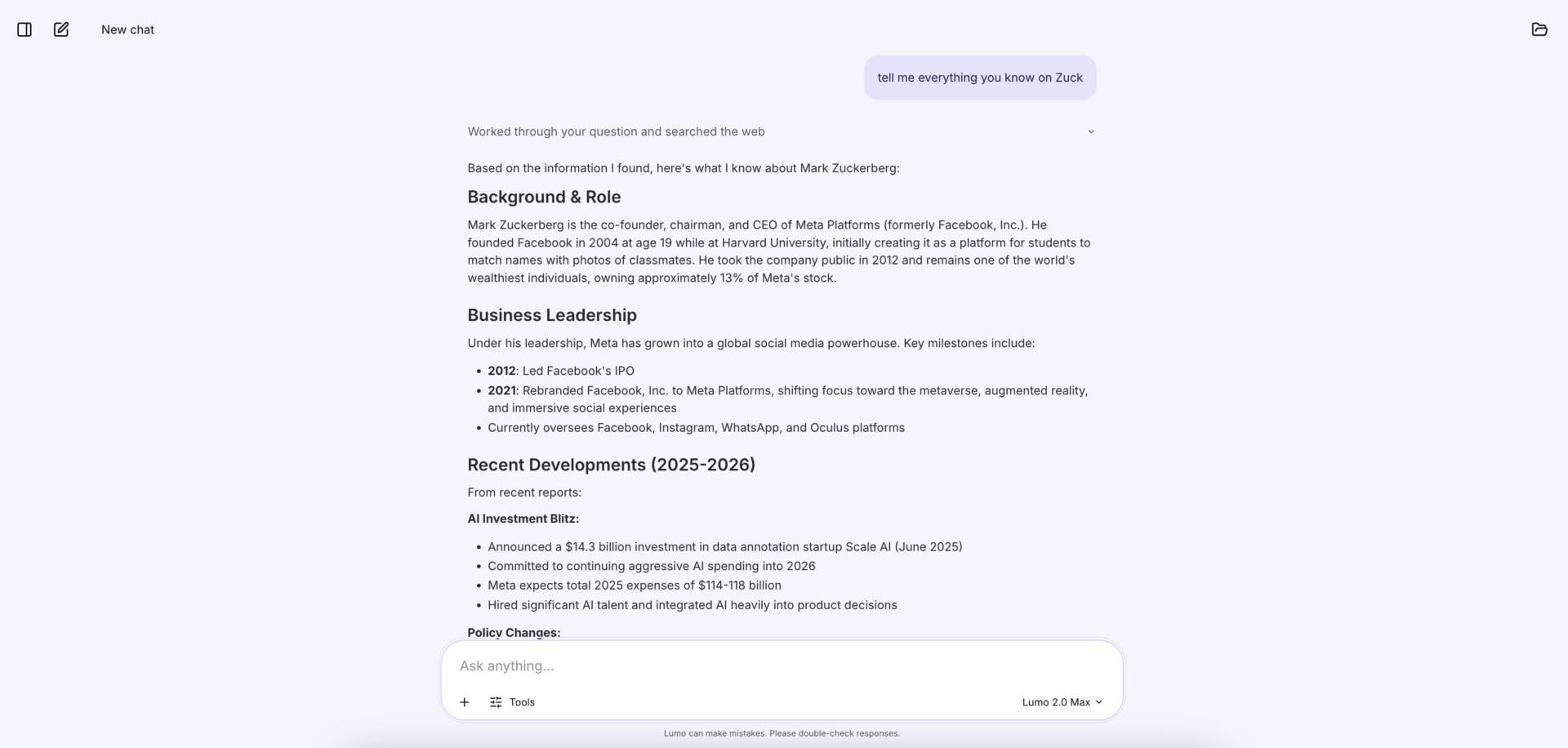
Lumo 2.0 diverges sharply from this model as every conversation, image, and piece of context remains encrypted using the same zero-access architecture that protects over 100 million Proton Mail, Proton VPN and Proton Drive users: Neither Proton nor any third party can access the conversations. The data is never used to train the model. The infrastructure sits entirely in Switzerland and it is protected by Swiss privacy laws rather than subject to US Executive Orders or American data collection requests
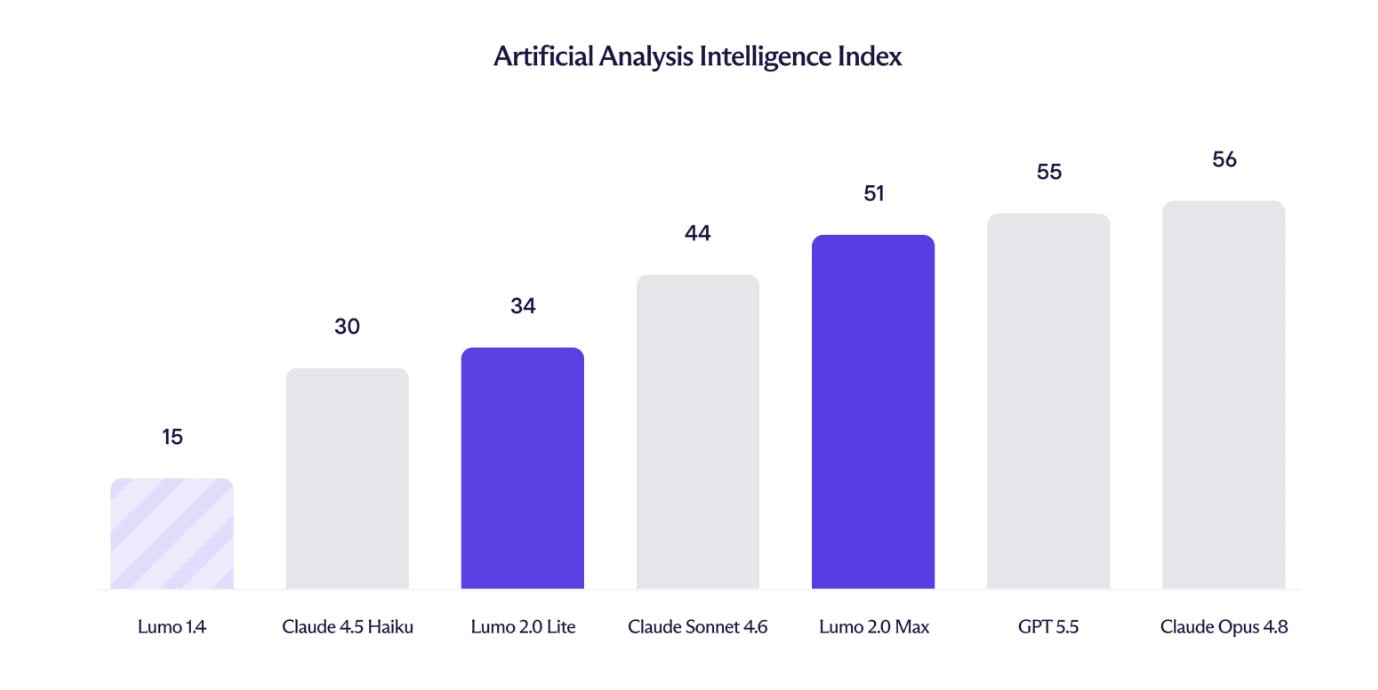
The capability improvements in Lumo 2.0 are substantial. On the Artificial Analysis Intelligence Index, an independent benchmark combining evaluations across agents, coding, scientific reasoning, and general knowledge, Lumo 2.0 Lite scores 127 percent higher than its predecessor, while Lumo 2.0 Max scores 240 percent higher. The system now features two distinct modes: Fast, which optimizes for everyday queries and responds up to 76 percent faster than the original version, and Thinking, which is designed for complex, multi-step reasoning tasks that benefit from visible thought processes.
Users can also upload images to analyze, generate visuals from text prompts or rough sketches, or edit existing images within the same encrypted conversation. Image recognition capabilities allow analysis of documents, charts, and photographs. Lumo 2.0 also introduces substantially stronger web search functionality than its predecessor and pulls live data on news, financial information, and weather while citing sources directly, reducing hallucinations and improving factual grounding.
Proton was founded in 2013 and based in Geneva and already operates one of the world’s most widely-used privacy-focused email services and a global VPN network. Extending privacy principles to AI was a natural evolution: The company argues that as AI becomes infrastructure for work, creativity, and communication, privacy cannot remain optional.
Lumo 2.0 launches in three tiers: A free version offers core capabilities. Lumo Plus provides unlimited conversations, Projects, and advanced image generation with priority access to the fastest models. Lumo Professional targets teams with secure collaboration features designed to eliminate data leak risks.