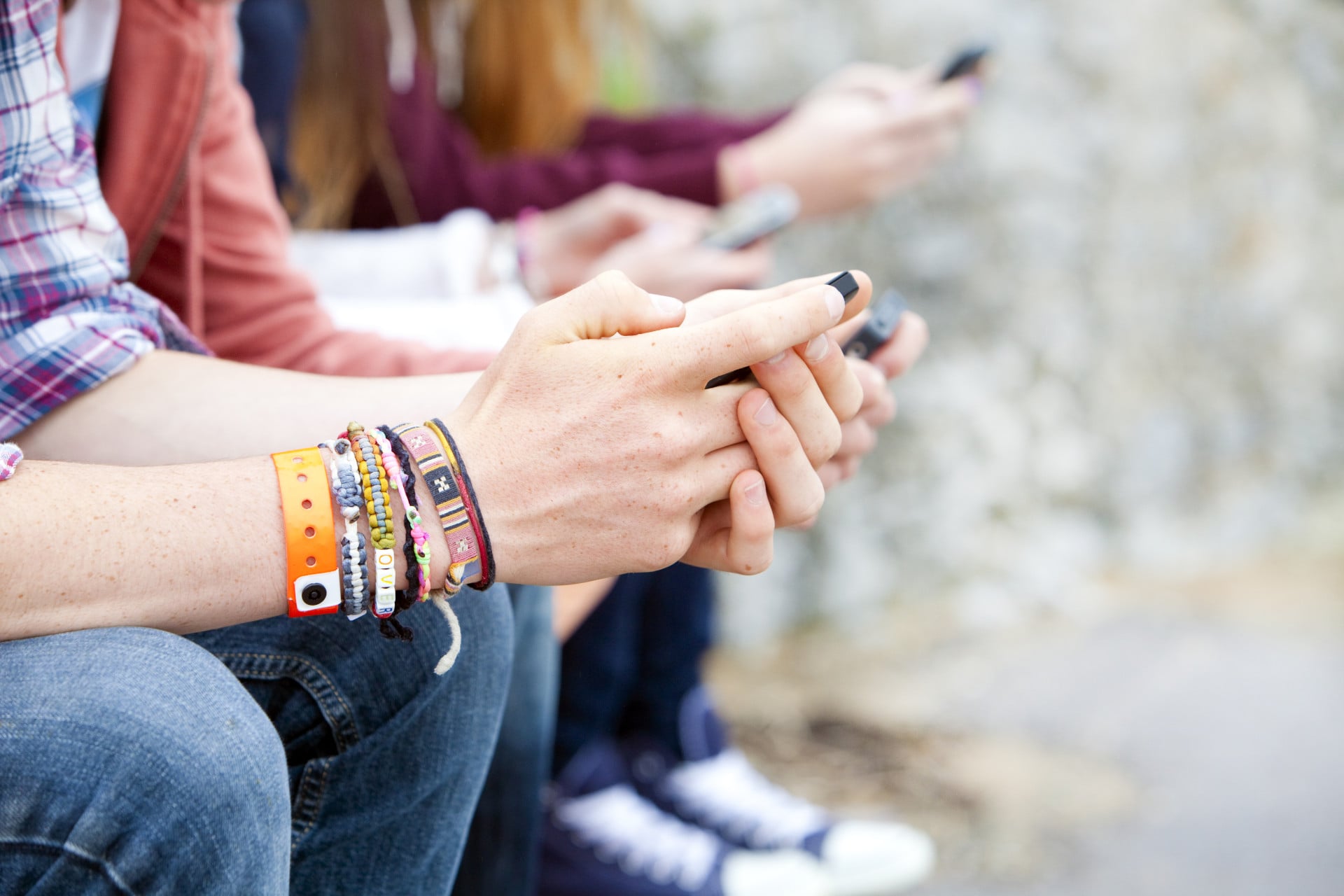
Cellphone bans are quickly spreading across schools in the United States, and most Americans appear to be fine with them—American adults at least.
A new Pew Research Center survey published Wednesday found that 77% of U.S. adults support banning middle and high school students from using cellphones during class. Just 18% oppose classroom bans, while 6% are unsure.
And for the first time, more Americans support than oppose stricter bans covering the entire school day.
About 48% of adults backed these so-called “bell-to-bell” bans, compared with 43% who opposed them. Another 8% were unsure. Support for these all-day bans has climbed steadily in recent years from 36% in 2024 and 44% last year.
The most recent survey of 9,750 adults was conducted from May 26 to June 1.
The shift comes as cellphone restrictions are increasingly common in schools. Nearly 40 states require school districts to ban or restrict student cellphone use, according to Education Week.
The bans have also gained momentum amid growing scrutiny on how smartphones and social media affect teenagers. For instance, Meta has faced lawsuits alleging that it deliberately designed its social media platforms to be addictive. European Union regulators have also ordered the company to make major changes to Facebook and Instagram that would make them less addictive. Some countries have gone even further by banning social media use for teens under 16.
Unsurprisingly, age plays a major role in how people view the bans. Only 57% of adults ages 18 to 29 support classroom restrictions, while just 28% back all-day bans.
Teenagers are even less supportive. A separate Pew survey published in January found that 41% of teens ages 13 to 17 support classroom bans, while only 17% back restrictions lasting the entire school day.
A Pew survey last year also found that more than 60% of adults believed all-day cellphone bans would improve students’ social skills, grades, and behavior.
So far, however, there is limited evidence that these policies are leading to those results.
A National Bureau of Economic Research paper released earlier this year examined survey data and records from thousands of schools using lockable phone pouches. It found that the restrictions sharply reduced phone use, with teachers reporting that the share of students using cellphones in class for personal reasons fell from 61% to 13%.
The broader results were more mixed. Student well-being initially declined before improving over time, while disciplinary incidents briefly increased and then faded. Meanwhile, the bans’ average effect on standardized test scores was “consistently close to zero.”