Remember how last month’s Google’s I/O 2026 dev conference was literally two hours of wall-to-wall AI promotion? It turns out that the company is actually also adding some non-“Gemini Intelligence” features to Android, though they’re few and far between.
Let’s leave all talk of Gemini Intelligence to the side for now. Whereas Android 16 was built around a new UI look with “Material 3 Expressive,” the updated Android 17, arriving Tuesday, focuses on a few new features—some of which actually seem potentially useful. For example, if you’re keen to make more of those dime-a-dozen reaction videos online, Google now supports “screen reactions” that record your screen and your face simultaneously.
Android is also adding previously detailed privacy featuresthat let users grant apps temporary access to their precise location if they need assistance. Other features let you lock your phone should it ever go missing (or you fear that some miscreant has made off with it).
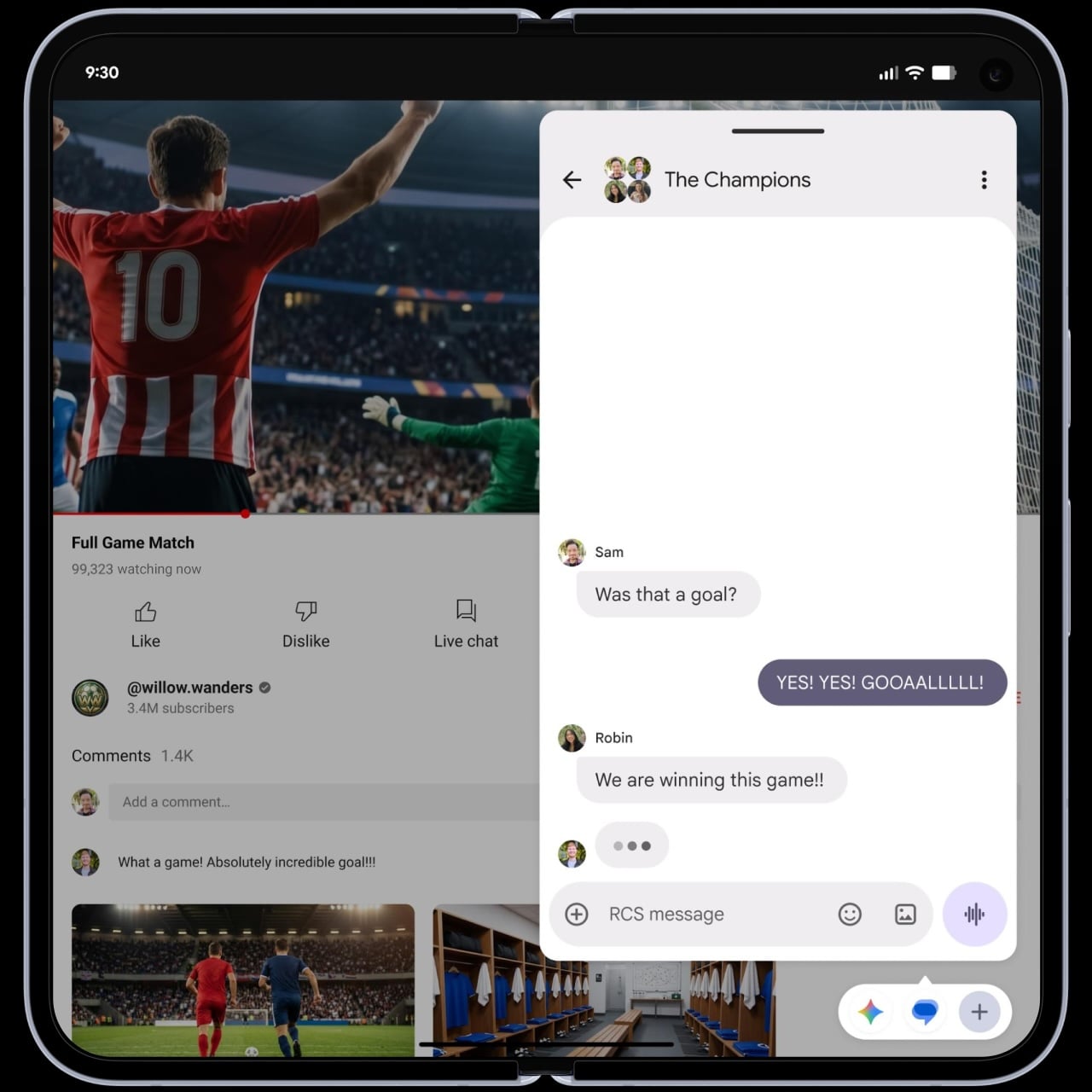
Google designed a bunch of the new Android 17 features specifically for foldables, though they’re coming first to current and future Pixel Fold devices. The first big feature is “Bubbles,” a kind of picture-in-picture mode that allows you to surface apps without switching away from your current activity. Users can access these bubbles through a dedicated widget then either expand them or view them in full screen.
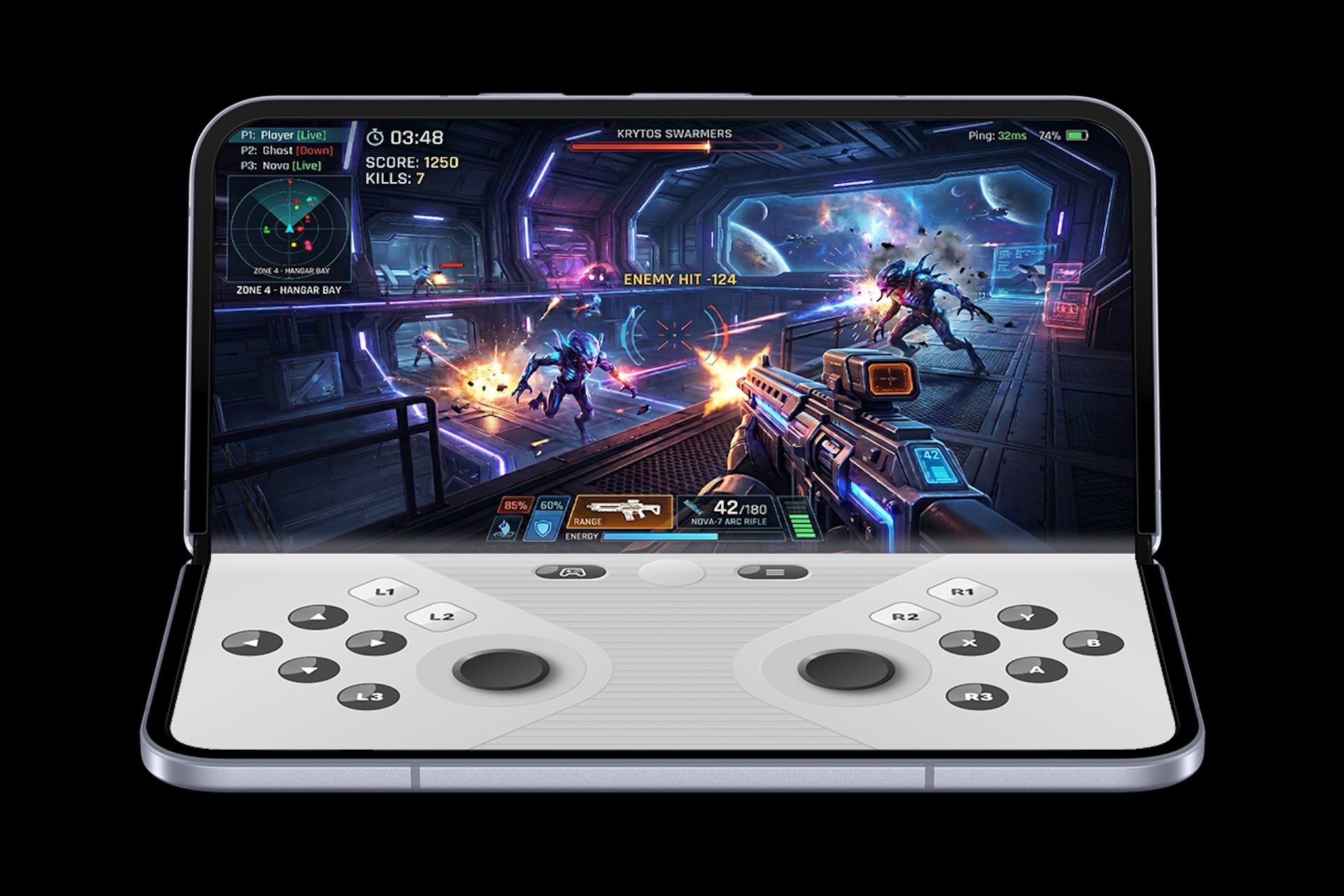
Foldables are also becoming even better for retro gaming via a handy touch-based game controller layout you can now place on the bottom half of your display. Google also promised it had modified the system’s memory cleanup process to reduce the likelihood of dropped frames.
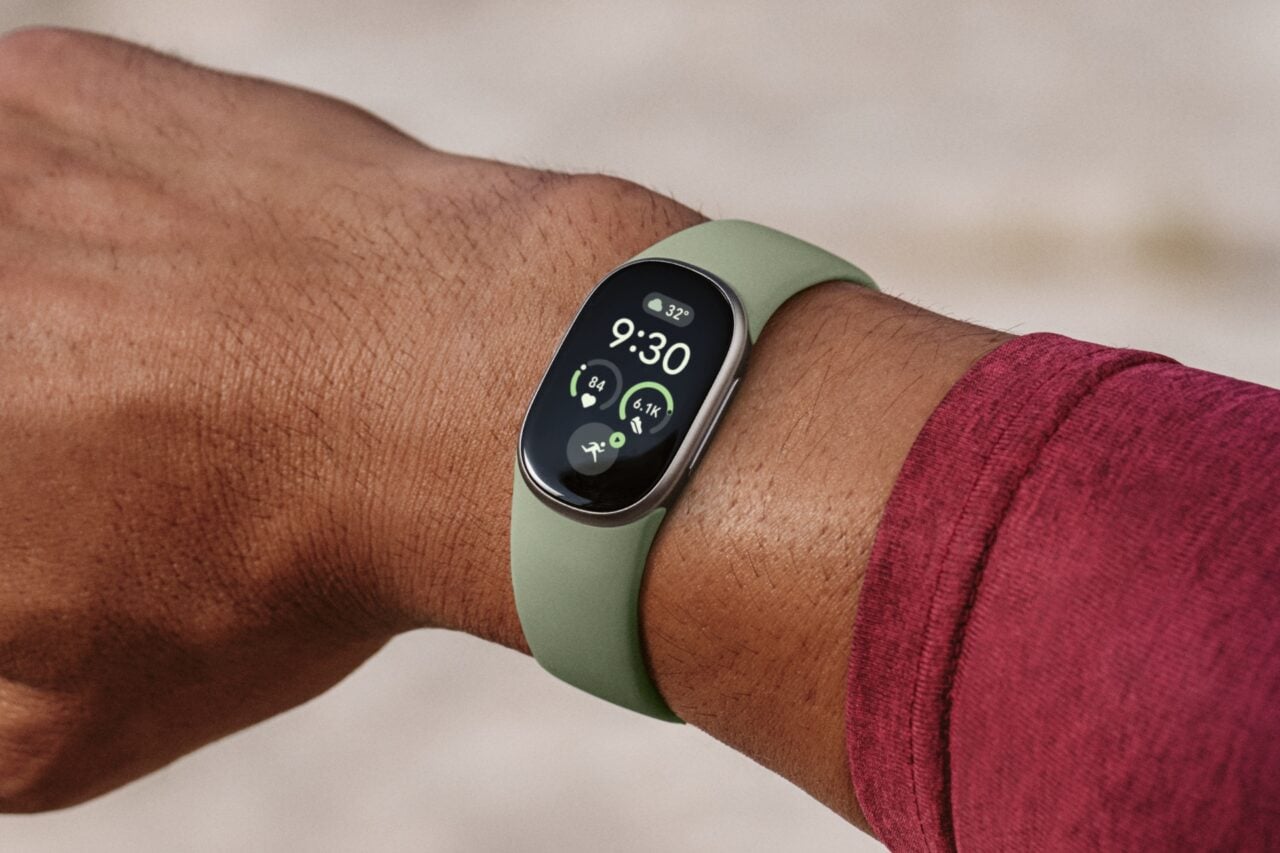
On the wearables side, Google’s Wear OS 7 update will let users change audio sources from their headphones to another device using a new media output switcher. Wear OS watches will also get access to live event feeds, in case you really need to know exactly when your Grubhub order will arrive without checking your phone.
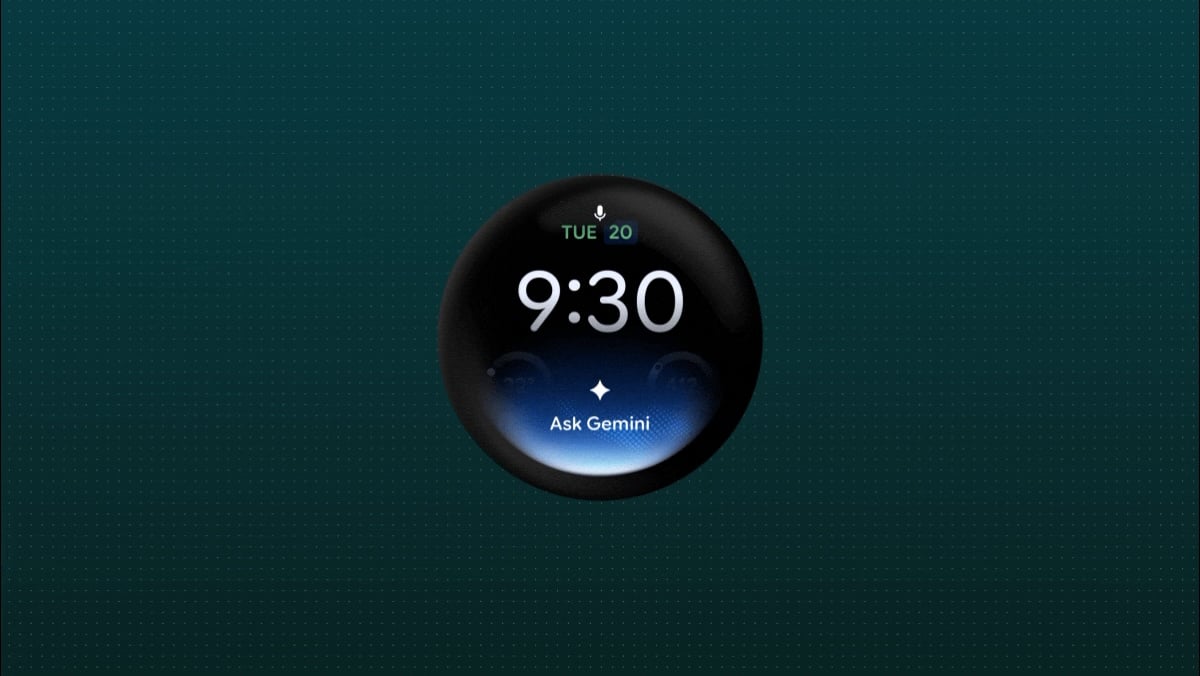
If this doesn’t seem like a major overhaul, that’s because most of the upcoming features, such as the ability to view the videos or photos taken with smart glasses, are built for future wearables. Wear OS watches are supposed to become more of a companion to a host of new devices inexplicably termed “intelligent eyewear.”
Even though Android 17 is launching today (it will roll out to phones over time), Google’s Gemini Intelligence feature set will come either later this summer or in the fall, after Google and Samsung launch more “audio glasses” and “intelligent eyewear.” Gemini is set to infest Google’s latest smartphones even more than it already does, letting it take actions on users’ behalf across apps. Google will add even more AI-driven photo and video capabilities powered by the Gemini Omni model. The real Android 17 isn’t here yet, and if you aren’t waiting on the edge of your seat for the upcoming AI stuff, today’s launch may feel the emptiest that it has in years.