HIV
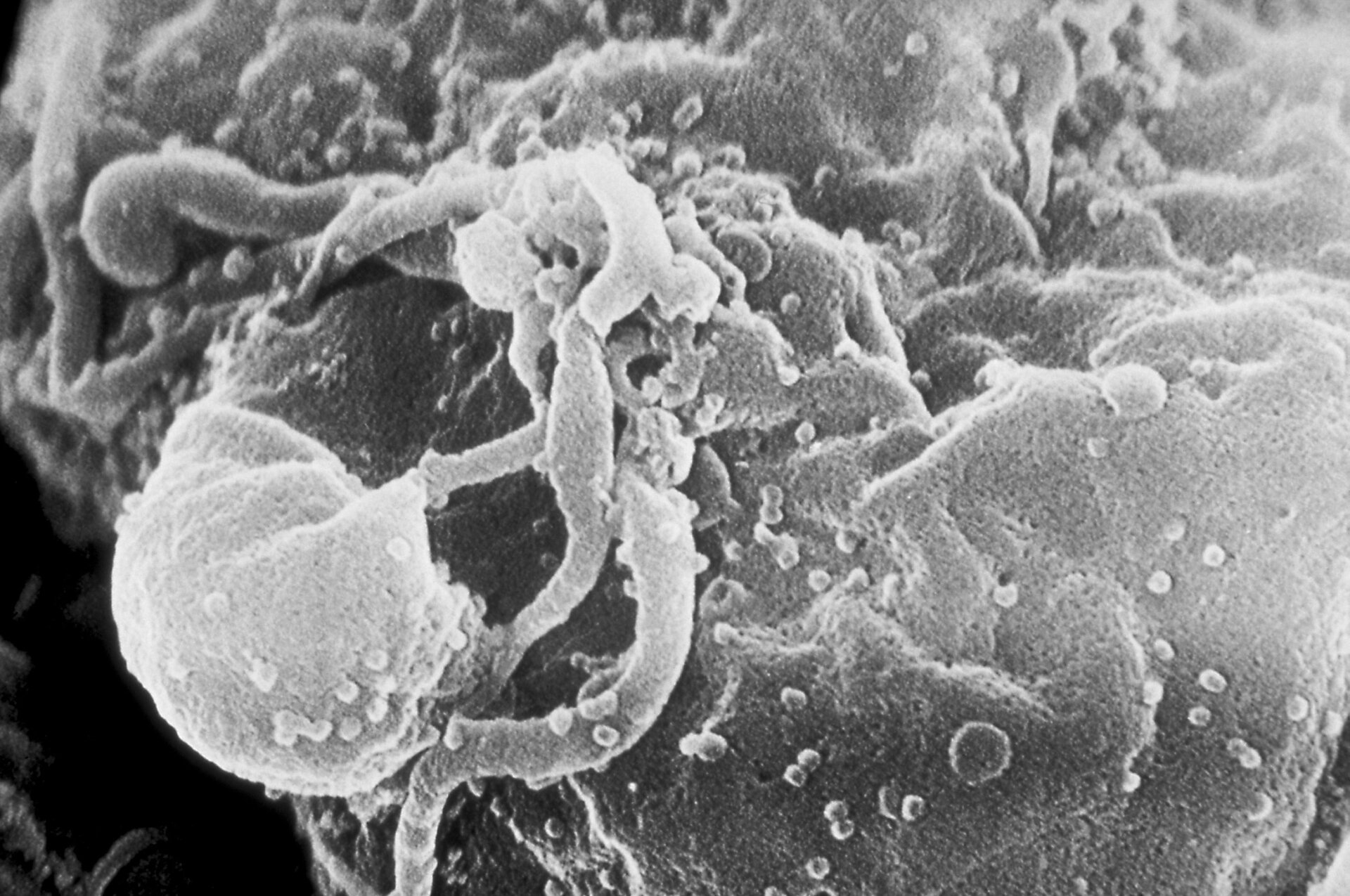
The infection: HIV, caused by the human immunodeficiency virus. Over a million Americans live with it, with 35,000 new infections a year.
Symptoms and long-term effects: Flu-like symptoms during acute illness. Without treatment, the chronic infection then causes a slow but steady drop in the level of certain immune cells, eventually leading to acquired immunodeficiency syndrome (AIDS). People with AIDS are vulnerable to many opportunistic infections and often die within years without treatment.
How to treat it: The later stages of HIV infection are almost entirely preventable with regularly provided antiretroviral therapy (ART). Though ART needs to be taken for life, it can often suppress the virus to the point that people live long and healthy lives and cease to be contagious. A handful of people have experienced a full remission following a bone marrow transplant from donors genetically resistant to infection.