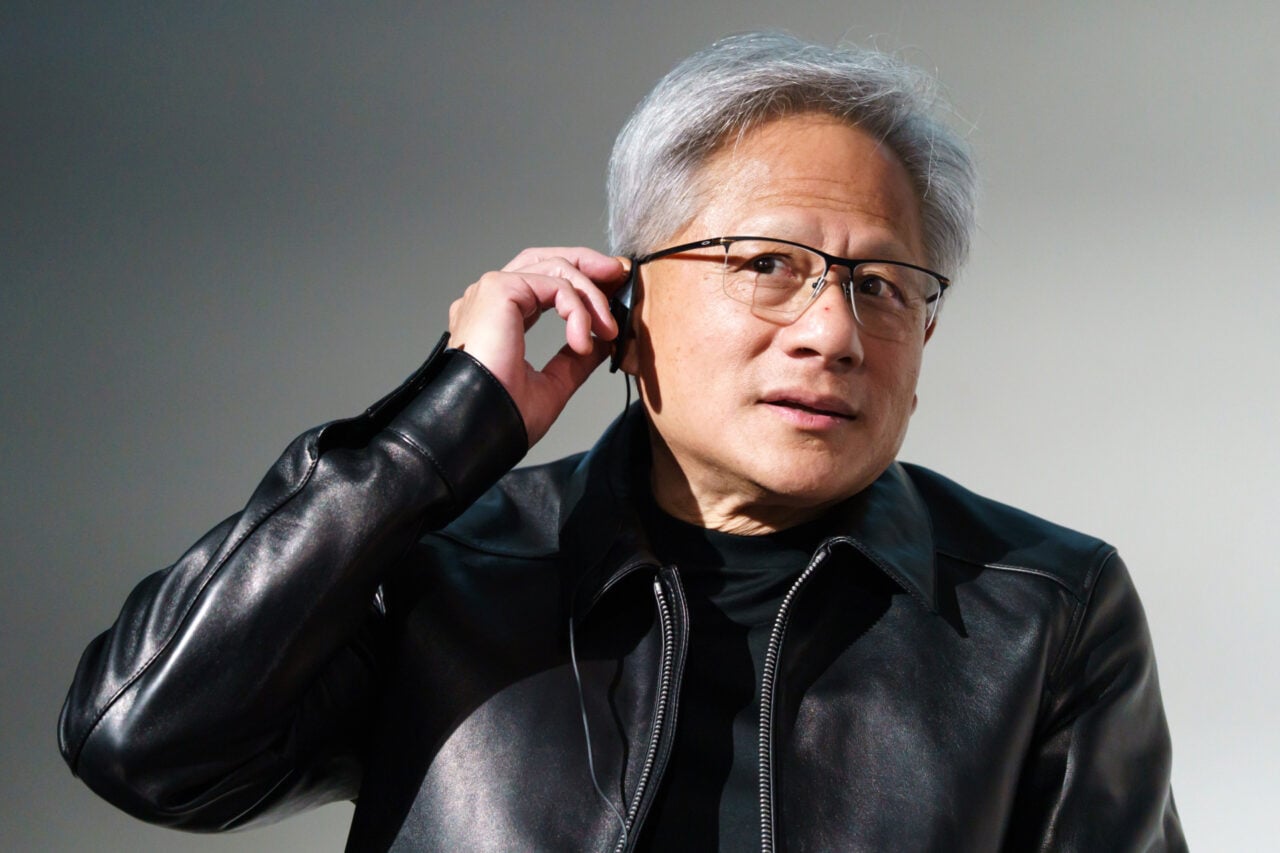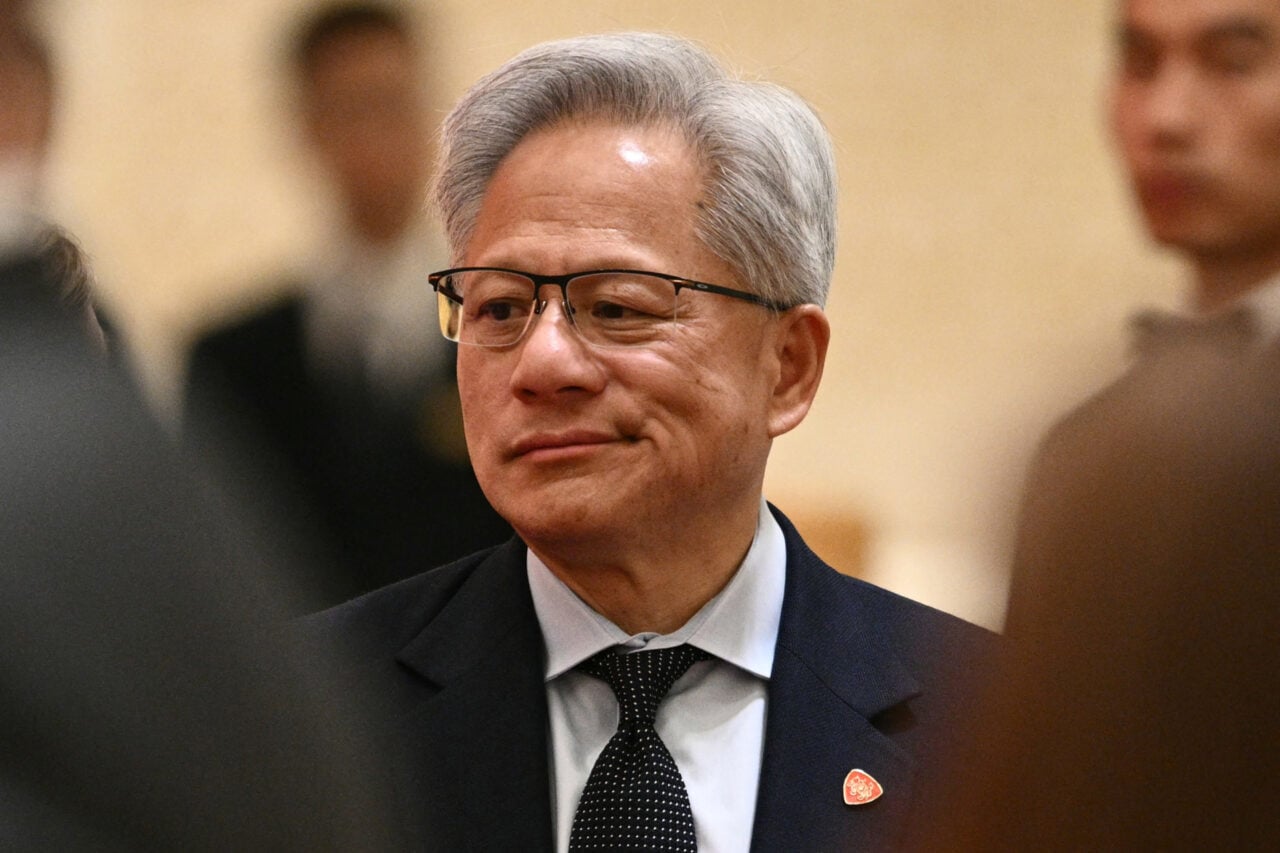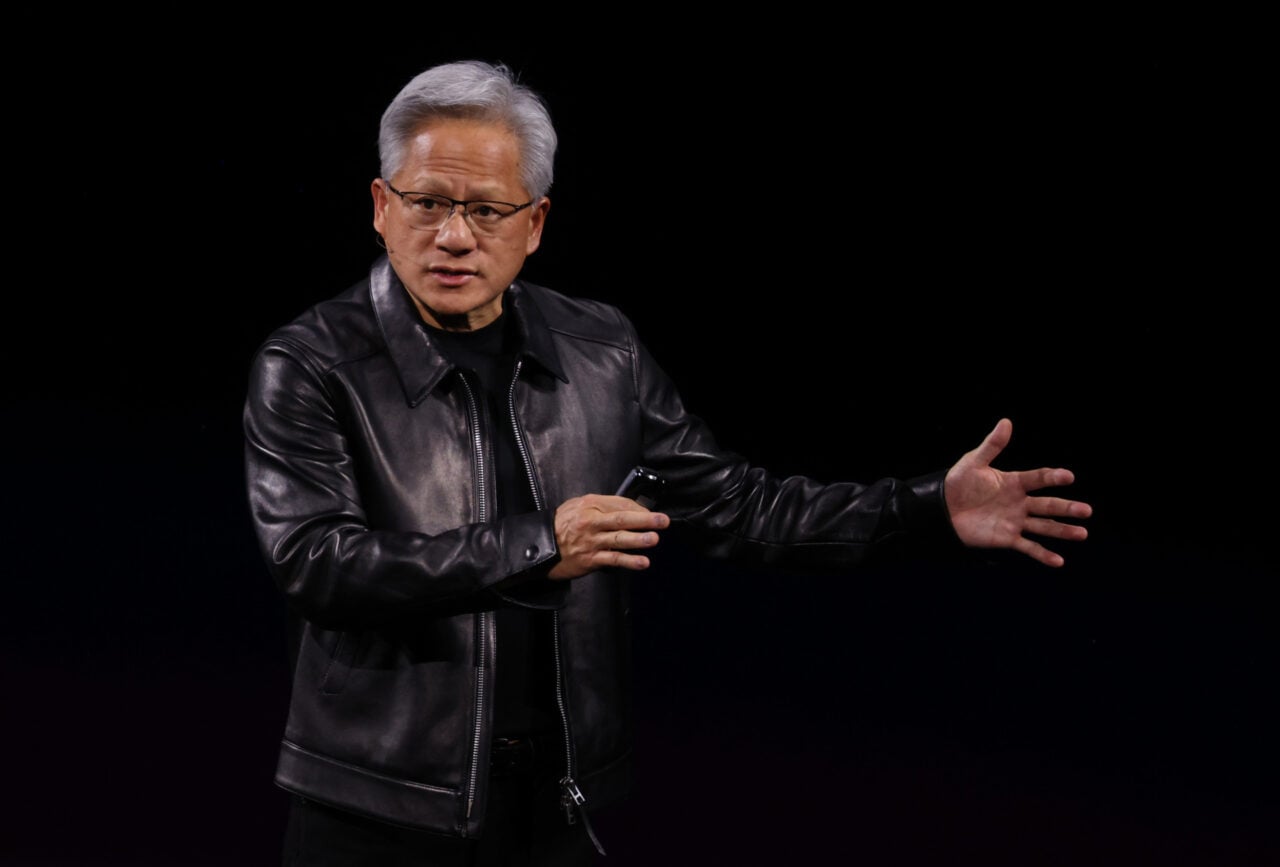
All eyes are on Jensen Huang after it was revealed the Nvidia CEO had an extramarital affair with a woman who’s alleged to be a spy for China. Will Huang step aside, amid calls from both Democrats and Republicans for him to do just that? Nobody knows for sure at this point.
What’s been getting less attention, however, are the behind-the-scenes battles within the federal government. What did members of the Trump regime know about the affair, and when did they know it? And why hasn’t Singapore-based Megaspeed been restricted from getting Nvidia chips yet?
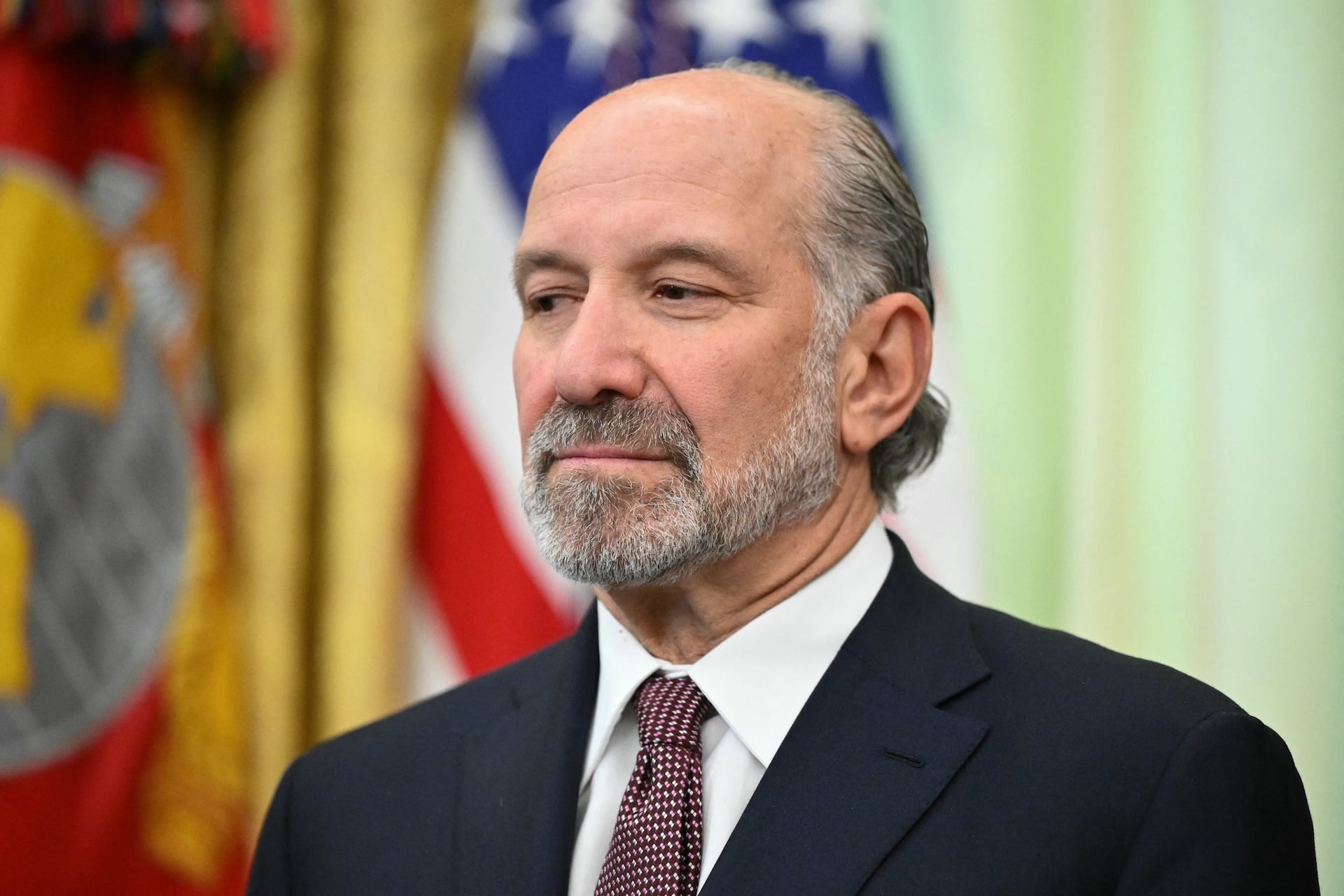
Both Axios and the New York Times have new reports Wednesday claiming that Treasury Secretary Scott Bessent confronted Commerce Secretary Howard Lutnick in the Situation Room of the White House last Thursday, asking about why Megaspeed hadn’t been banned from receiving advanced Nvidia chips. Lutnick reportedly responded he was concerned that new restrictions “will start a trade war with China.”
The alleged Chinese spy, Alice Huang, is an executive at Megaspeed, which has allegedly diverted Nvidia chips to customers who are legally prohibited from buying them. Megaspeed has purchased about $4 billion worth of chips in recent years, according to the Times, some of which have been sent to sanctioned entities.
The Situation Room meeting also included Defense Secretary Pete Hegseth, U.S. Trade Representative Jamieson Greer, and Secretary of State Marco Rubio, according to another report from Axios, all of whom were on Bessent’s side for a more strict approach to exports. President Trump authorized a crackdown on the chips going overseas, according to Axios, and even called up Elon Musk before making a decision.
The Axios reports paint a picture of the notoriously hot-headed Bessent becoming extremely frustrated with Lutnick over his failure to add Megaspeed to the Commerce Department’s so-called entity list, which is comprised of companies banned from receiving U.S. exports of sensitive technology. But the Trump regime denied to both Axios and the Times that any such confrontation between Bessent and Lutnick had ever taken place.
The entity list is a powerful tool for restricting exports, but Trump’s Commerce Department has scaled back its use against China during the past year as trade relations have improved. The Commerce Department’s investigation into Megaspeed dates back to 2024, during the Biden administration, according to the Times.
Axios reported on Tuesday that Lutnick was given access to a highly classified memo, authored by Secretary of State Marco Rubio, that alleged Alice Huang may be a spy for the Chinese government and was having an affair with the Nvidia CEO. The memo was circulated before Trump’s trip to China in May, though the president didn’t seem particularly concerned about the implications.
Trump said during a press conference Monday that the FBI had launched an investigation into the alleged spying, but he seemed extremely chill about the entire ordeal. The president said he spoke to Huang on Monday.
“I did speak to him today just to see if he’s feeling all right, how you’re doing,” Trump said. “He said he had absolutely no idea that the person in question was a spy.”

The question of whether any new export controls will be implemented still seems up in the air. Axios’s latest report indicates that at some point Trump told Lutnick “let’s get it done,” but officials still expect Lutnick to delay any action. Lutnick reportedly responded to Trump “I’ll develop some options and come back,” to the palpable anger of everyone else in the room.
Trump has reportedly had three other opportunities over the past year to stop Nvidia chips from getting diverted to Chinese sources, but failed to act. If this new reporting is correct, he’s made his decision. Whether Lutnick decides to continue his delay tactics remains to be seen.