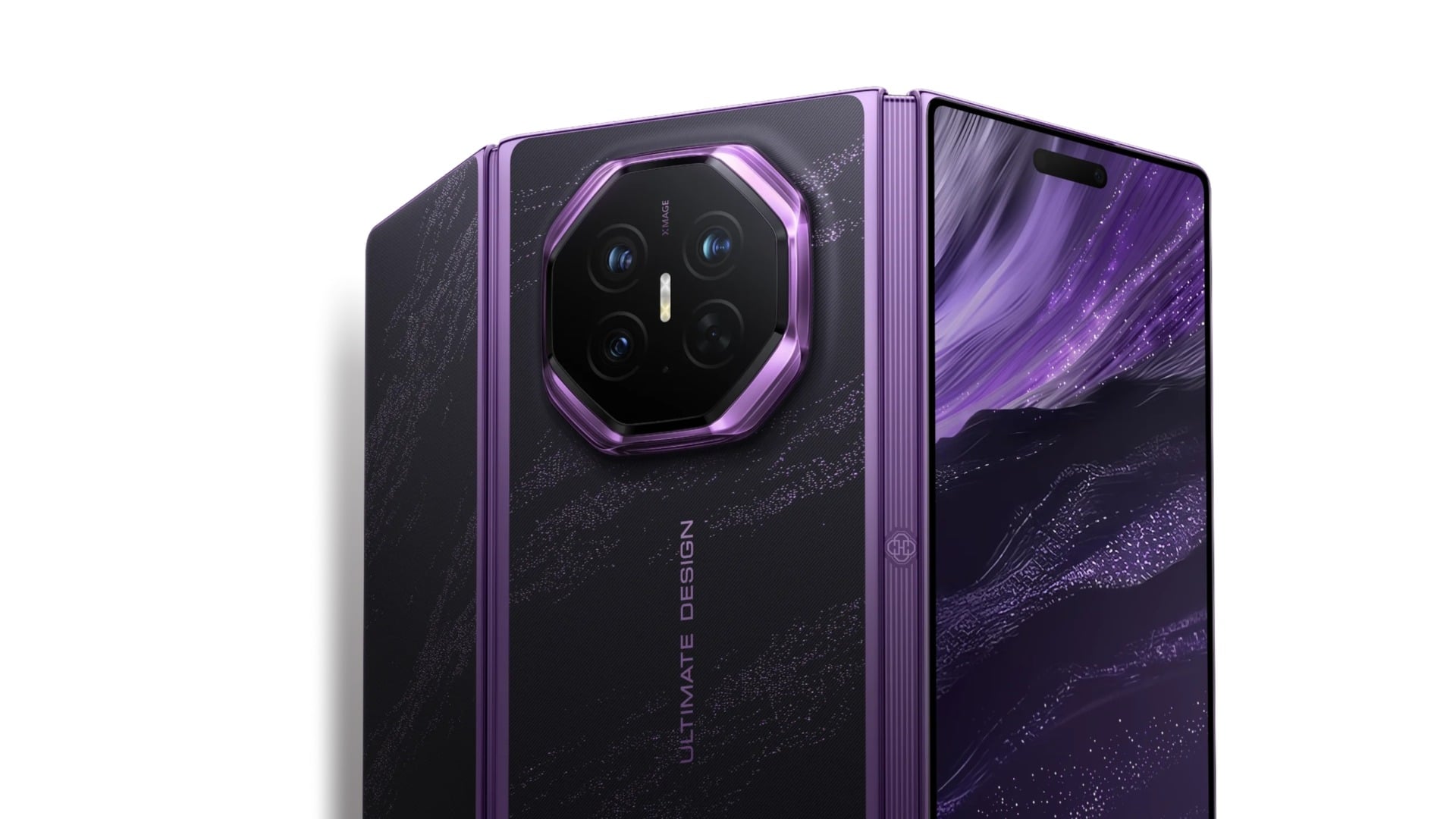
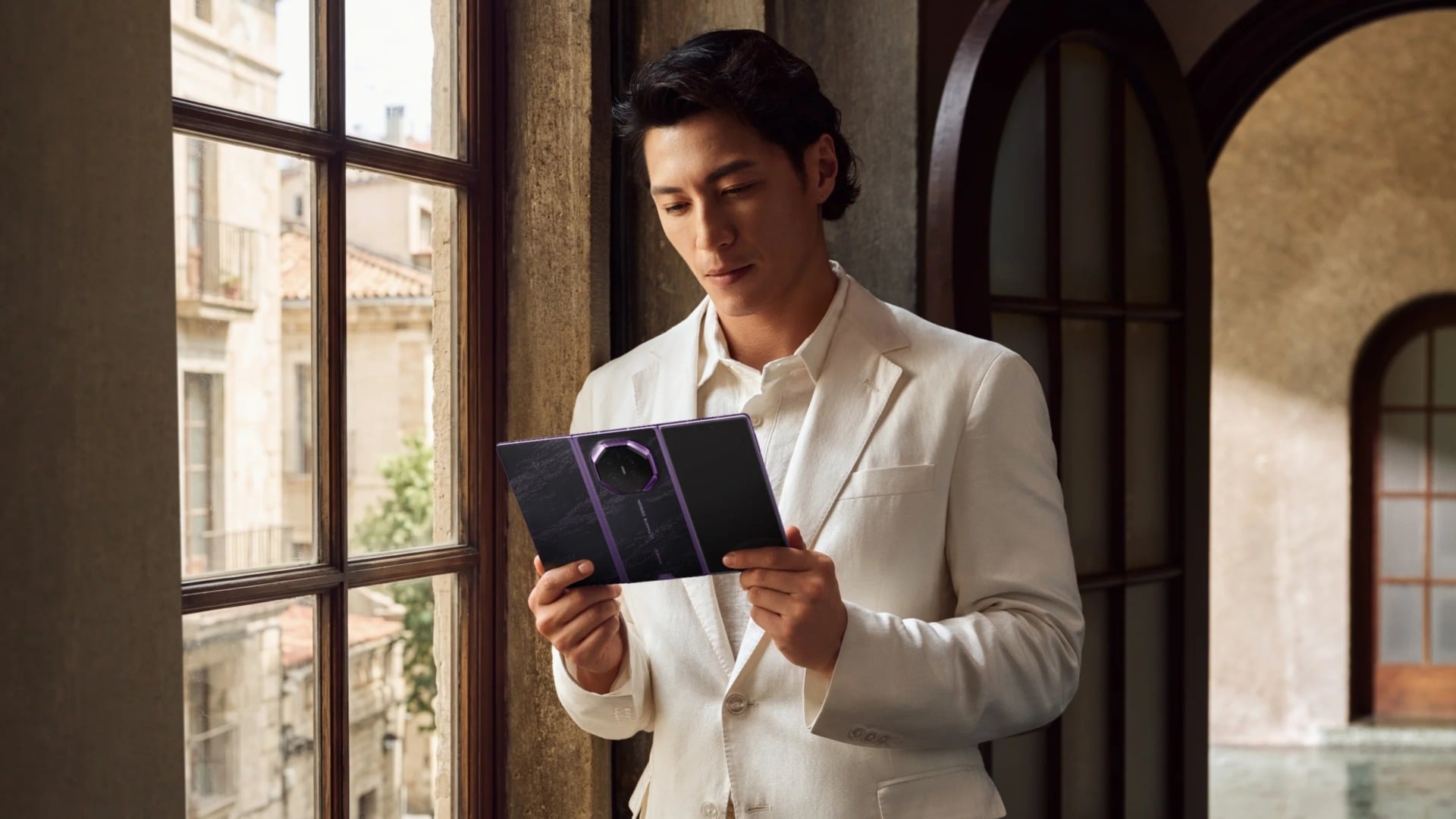
A few days before Apple is rumored to launch its first foldable, Huawei is rolling out the third iteration of its trifold smartphone, the Huawei Mate XT 2, in China. The decidedly expensive phone uses chips that are free from U.S. supply restrictions, according to Nikkei Asia, a first for the company. It also has a new design that’s reminiscent of the now canceled Samsung Galaxy Z TriFold and a privacy-focused display that’s similar to the Galaxy S26 Ultra.
Huawei describes the design of the Mate XT 2’s folds as “wing-like.” Rather than folding over each other in the accordion-style structure of the company’s previous trifolds, the Mate XT 2 folds both halves of its 10.1-inch interior display inward when you want to use its 6.5-inch exterior screen. Samsung’s Z TriFold worked similarly, protecting its flexible display and making the foldable more natural to use. Huawei hopes to also differentiate the trifold by offering a version of the phone with a privacy-oriented OLED screen that can narrow its viewing angle to make it harder to see from the side. The feature was one of the more exciting new additions on the Galaxy S26 Ultra, and Huawei is the first to include it in a foldable.
In terms of cameras, the Huawei Mate XT 2 is stacked compared to other folding phones. The phone features a 50-megapixel main camera, a 40-megapixel ultra-wide, and a 50-megapixel periscope camera offering up to 3.5x optical zoom. For video calls, the interior display also has an 8-megapixel selfie camera. Inside, the phone’s new Kirin 9050 Pro chipset is the first designed entirely in-house by Huawei, a necessity given that U.S. sanctions bar chipmakers that use American software from working with the company.
Nothing about the Huawei Mate XT 2 comes cheap. The new phone is available in white, black, or blue color options, and starts at around $2,980 (¥19,999) for 16GB of RAM and 256GB of storage. Things only go up from there if you want more storage or Huawei’s private display—for example, a model with 1TB of storage and the private display runs about $3,725 (¥24,999).
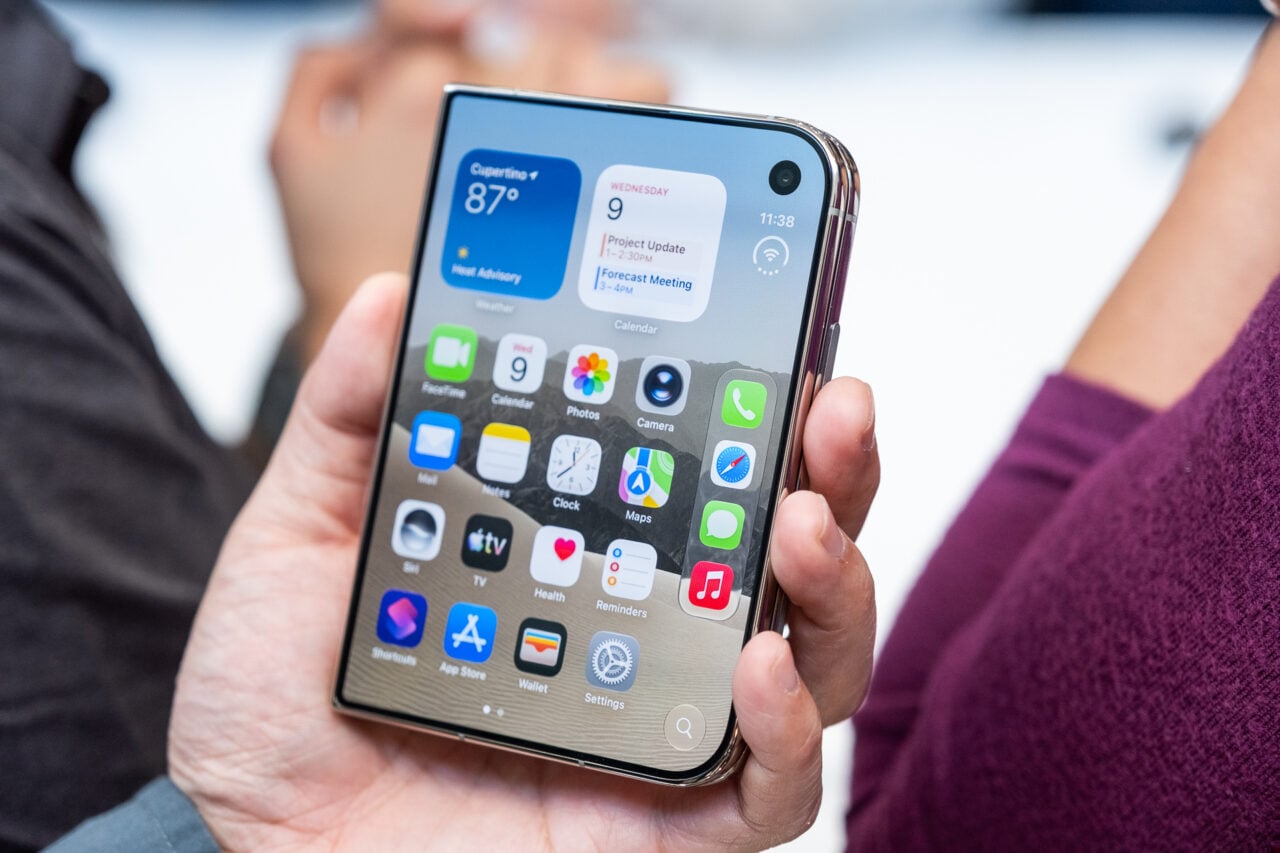
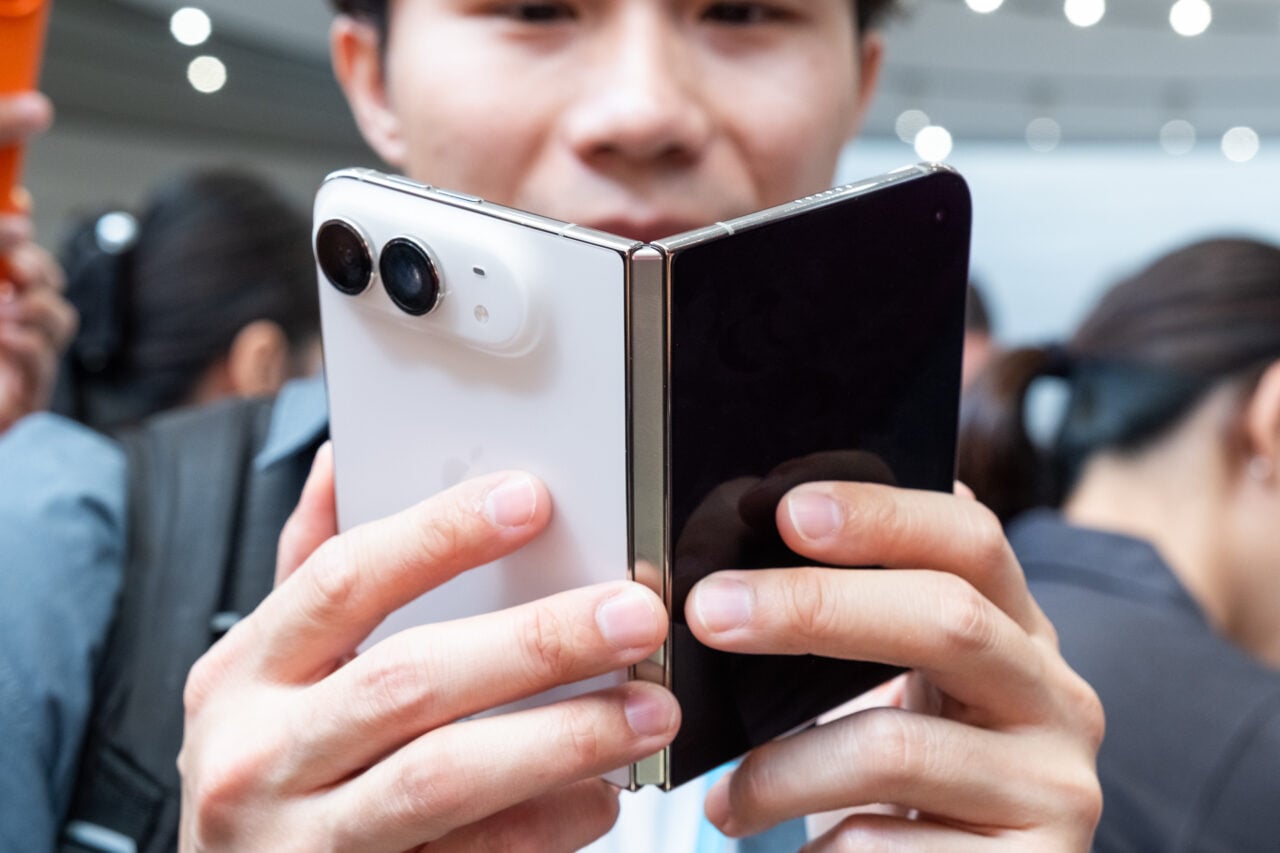
Those eye-popping prices might not deter the kind of luxury smartphone buyer Huawei is trying to cater to, but it does make the foldable market even more interesting in Asia. Apple is hoping to boost iPhone sales globally with its rumored foldable iPhone and will already be facing direct competition from the Samsung Galaxy Z Fold 8 and the Xiaomi 18 Fold, both of which use the passport-style design Apple is reported to use. If you’re already willing to drop over $2,000 on an iPhone, it doesn’t seem like that much of a stretch to spend a few hundred more for an even larger folding screen.