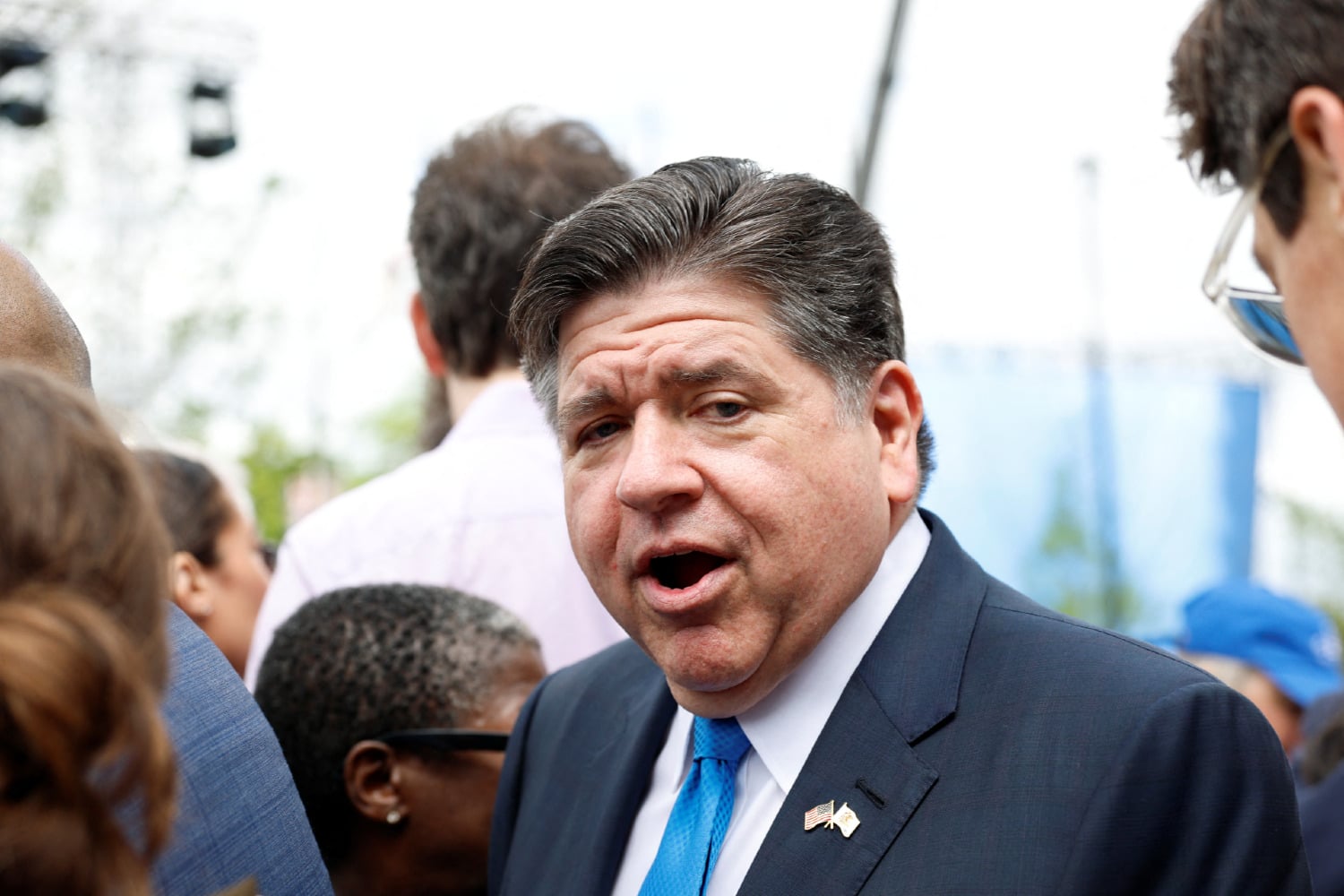
On Monday, Illinois Governor JB Pritzker signed the Artificial Intelligence Safety Measures Act into law, giving the Midwest state arguably the strictest set of regulations yet designed to protect its citizenry from the risks posed by the growing power of frontier AI companies.
According to a press release from the Governor’s office, the AI Safety Measures Act creates a framework that will require the “developers of the largest advanced AI systems” (read: OpenAI, Anthropic, Google, etc.) to provide public disclosures as to their safety practices, report any significant safety incidents, and remain in line with a set of compliance processes. It also creates a channel for whistleblowers working inside AI labs to safely and securely relay any safety concerns they might have without fear of repercussions.
A lot of the law is in line with what states like California and New York have passed already, but Illinois is claiming a “first-in-the-nation” distinction for one major part of its efforts: It is the only state that will require AI systems to undergo regular, independent third-party safety audits. That requirement will apply to any AI company reporting more than $500 million in revenue. Those requirements are set to go into effect on January 1, 2028, now that the bill has been signed into law.
While Illinois’s new law has been praised by some AI-critical organizations and activists, it also has the backing of the companies it is meant to regulate. OpenAI and Anthropic both endorsed the bill as it moved through the legislature. The two companies had previously turned Illinois into a battleground for AI regulation, with OpenAI pushing a separate bill that would have shielded AI companies from lawsuits over large-scale harms attributed to their systems. Anthropic opposed that measure, which now appears to have stalled out entirely.
But there was no opposition to the AI Safety Measures Act, likely due to just how close it is to laws passed in California and New York. The lack of any meaningful federal framework for AI safety has led companies like OpenAI to start lobbying at the state level with the goal of creating a makeshift set of regulations that are similar enough to make compliance easier. The company has had its hand in the mix in California and New York, and can now count Illinois as another victory in its attempt to stitch together the piecemeal quilt of regulatory requirements.