Yes, yes, I know every tech company and its mother is raising prices these days. But there’s something about whatever Lenovo’s up to right now that just hits different. This company, after all, makes some of the best-value tablets in recent memory. Remember when you could buy a Tab One for $110? I do. Like it was yesterday.
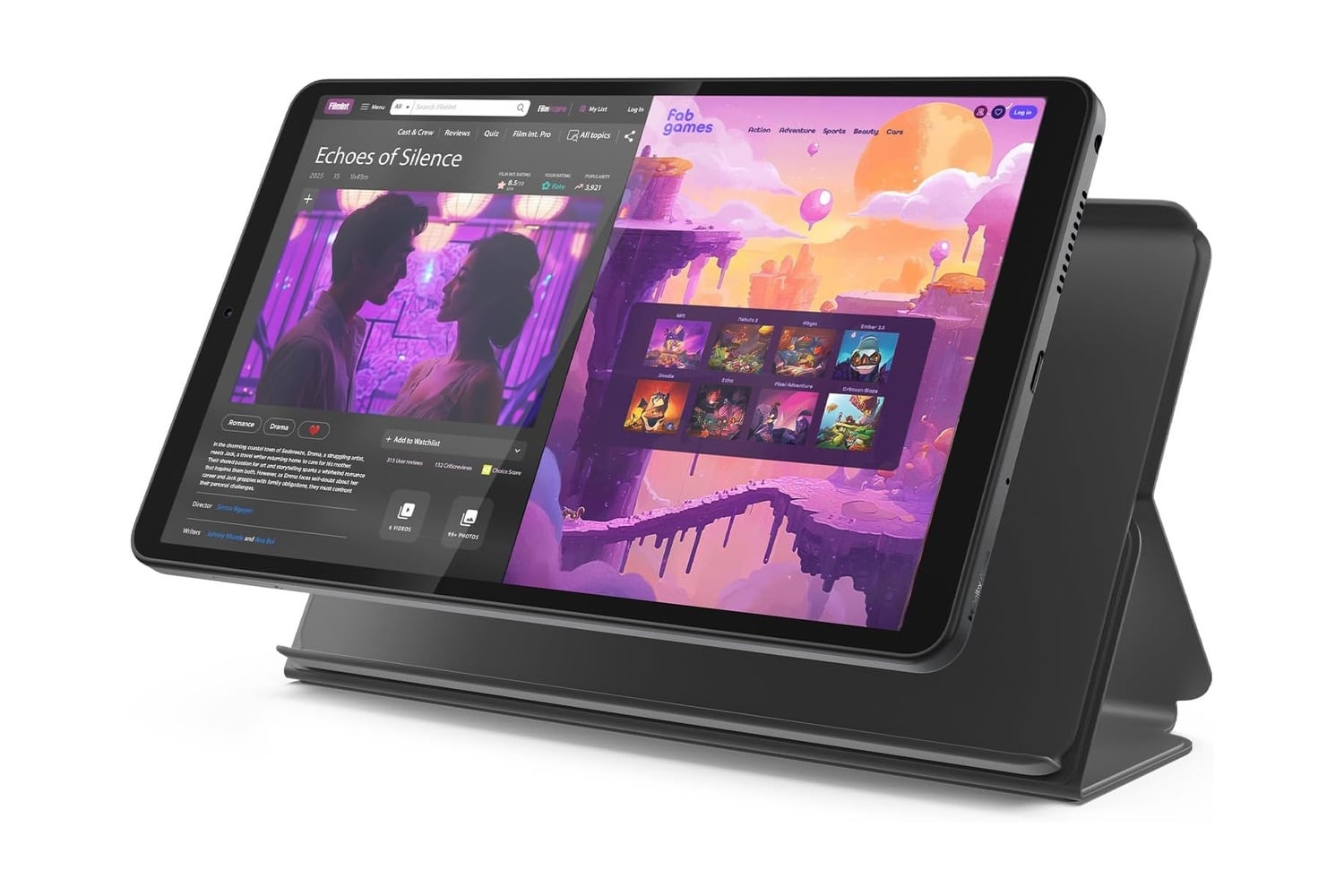
But to quote an early 20th-century poet whom I envy for never having had to feel semiconductor pricing-related exasperation, nothing gold can stay. PhoneArena reports that three of Lenovo’s most beloved tablets—the Tab One, the Idea Tab Pro Gen 2, and the Legion Tab Gen 5—have seen price increases in the past couple of weeks. The former has gotten $20 more expensive; the latter two have both risen by $50. This isn’t coming out of nowhere. PhoneArena documented similarly quiet price hikes in April and August of this year (the first-generation Idea Tab Pro, for example, shot up $30, then $20, respectively).
These decisions aren’t limited to any specific price range, sect, or shelf. The Idea Tab Pro Gen 2 is a previously $499 iPad competitor, and the Legion Tab Gen 5 is a previously $849 AAA gaming tablet. Oh, and that’s before we even talk about the rollercoaster ride Lenovo’s gaming handhelds have been on since they launched. The Z2 Extreme Legion Go got a $650 price hike in April and is now $1,999 at Best Buy. Notebookcheck spotted just yesterday that the 2TB model had climbed above $3,000 for the first time ever on Lenovo’s official site, which means—congratulations—it’s now very much a luxury product out of reach to most gamers. (And also sold out as of this writing, which has me scratching my head ever so slightly, but nevertheless.)

If you aren’t already speculating that this is all related to RAM prices, then I envy your blissful ignorance of the daily news cycle. CRN reported back in February that Lenovo’s North America division had warned its partners of upcoming pricing changes, and the outlet attributed those changes specifically to “the memory shortage, caused by the ongoing AI data center buildout.” CEO Yang Yuanqing told Reuters something similar. More recently, Qualcomm (whose chips power two of the three aforementioned tablets) told customers this summer that it planned to jack up chip costs. And AMD informed OEMs in September that the prices of certain products would rise by around 10% in the fourth quarter of this year.
This all shouldn’t surprise me. I know it shouldn’t surprise me. It’s all a numbers game as the AI data center arms race guzzles up both water and cash, and these aren’t even the most extreme price hikes we’ve seen this month. But this is Lenovo we’re talking about, and the feel-good thing about Lenovo’s tablet shop was that it offered alternatives. It was a reputable company (it makes the ThinkPad, for Pete’s sake) and not some random guys in a garage with an Amazon store, but it offered serious iPad and Galaxy Tab competitors at a fraction of the cost. And then there’s the Legion Go, the whole point of which was always to increase access to PC gaming, and this device that once started at $699 is now three times the price of my washing machine. Lenovo made $9.3 billion in AI-related revenue in Q2, by the way. Just FYI. In case it’s relevant to anything.
I don’t know, man. Back in my day, consumer tech got less expensive as it aged. Excuse me while I go shake my fist at a cloud.