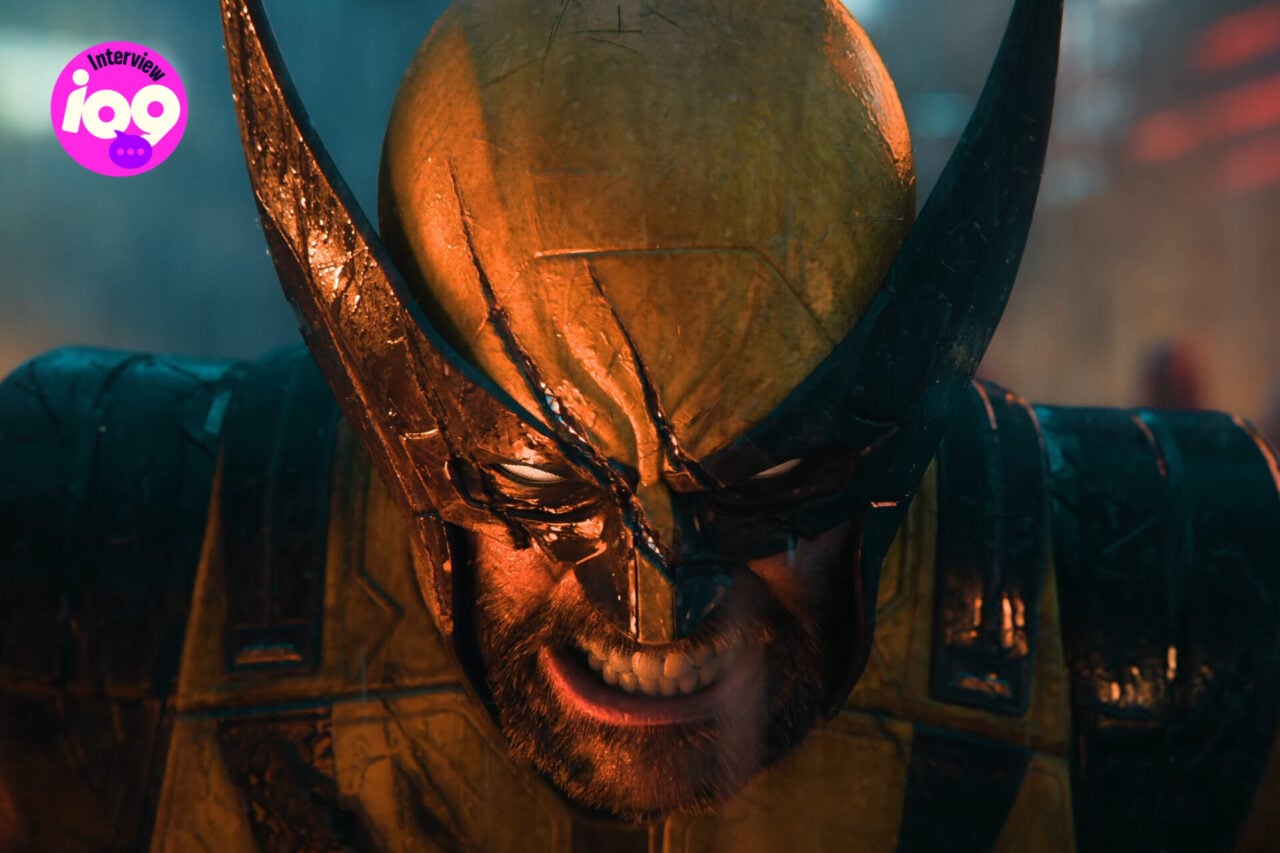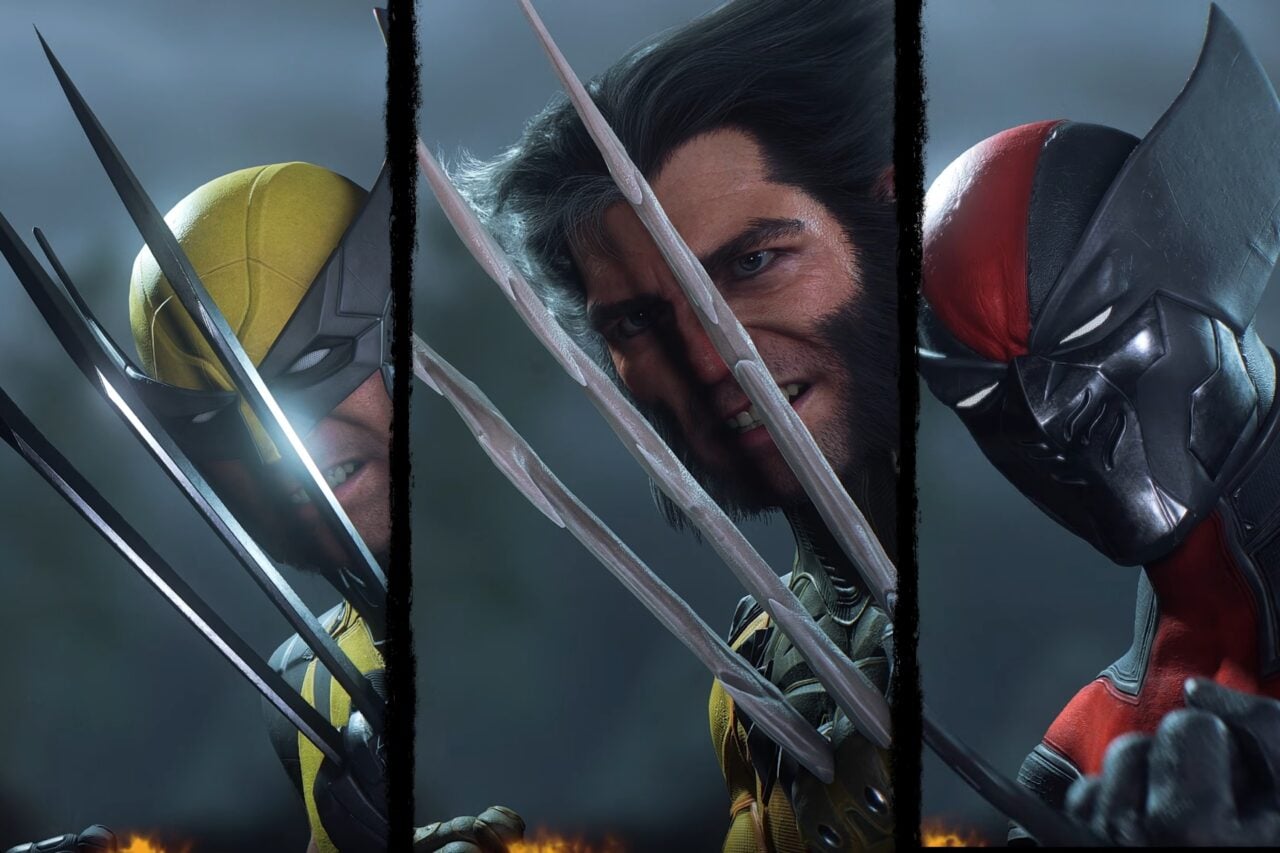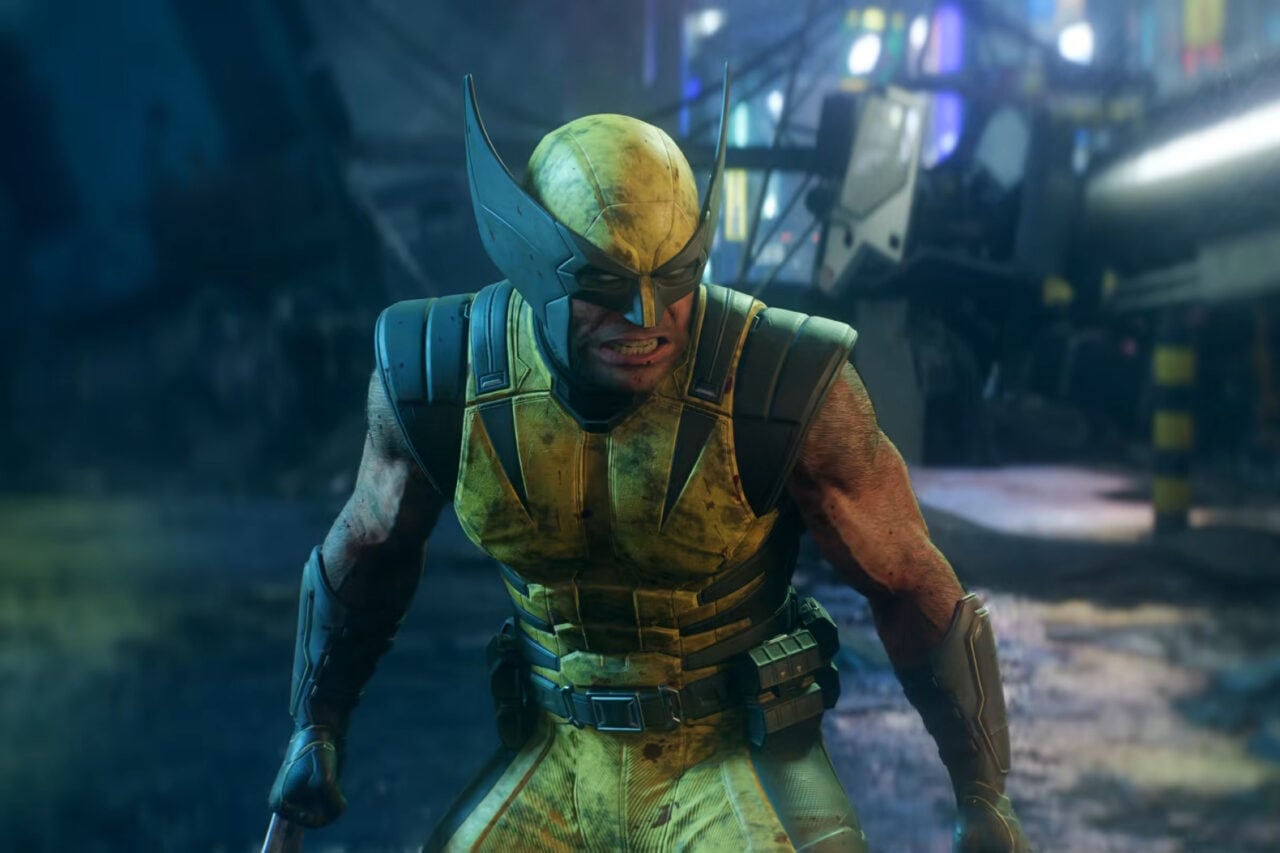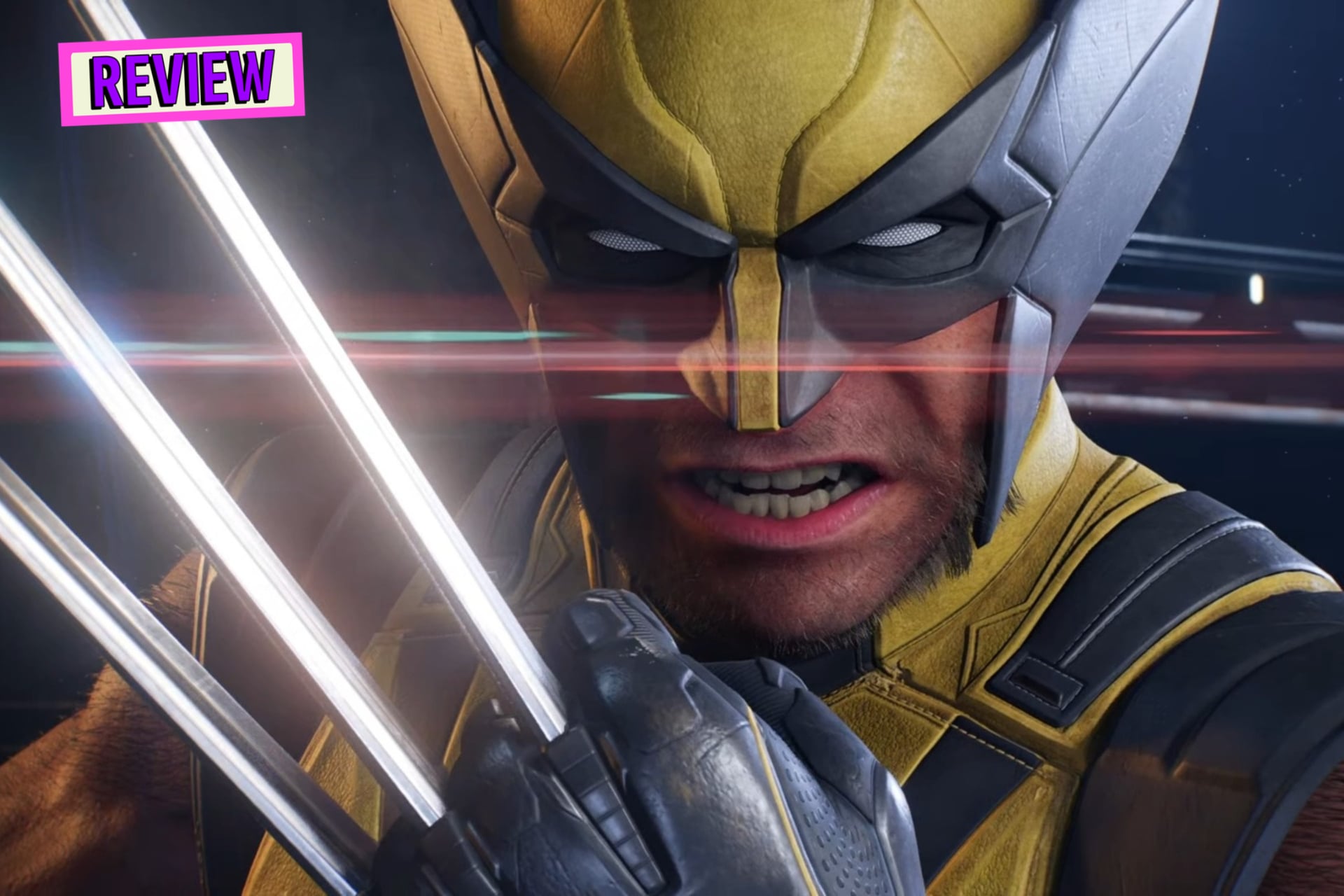
After a dour 2010s, this decade has given the X-Men a more elevated position in comics and other media. This team effort has given many A-list mutants a chance to shine, which can’t help but include Wolverine. Co-starring in the cinematic juggernaut that was Deadpool & Wolverine and being a primary player in X-Men ‘97 was followed up with appearing in multiplayer games like Marvel Rivals and the more recent Marvel Tōkon. For players looking for a more solitary affair, Marvel’s Wolverine is here and happy to remind you what makes him a compelling presence when taking center stage.
Wolverine last headlined his own game in 2009 with a tie-in to X-Men Origins, and those who remember that title may get some deja vu here. Similar to Raven Software, Insomniac Games prioritizes combat and the damage Wolverine’s able to take and dish out. Simple melee combos are joined by dodges, parries, special attacks, the whole shebang you’re used to by now. Attacks build up a rage meter, which can heal you if you go down or bring you into a berserker rage when you reach tier three, which you can sustain by executing weakened enemies.
Going from a slide to a lunge, plunging your claws into someone before parrying attacks has a nice flow, even in the more hectic moments where the game’s camera isn’t entirely agreeable. Compared to Spider-Man, Wolverine’s got a much more limited kit to work with, and the creative spark Insomniac is known for that shows in Spidey’s gadgets, or the many weapons of Ratchet & Clank, is understandably absent.
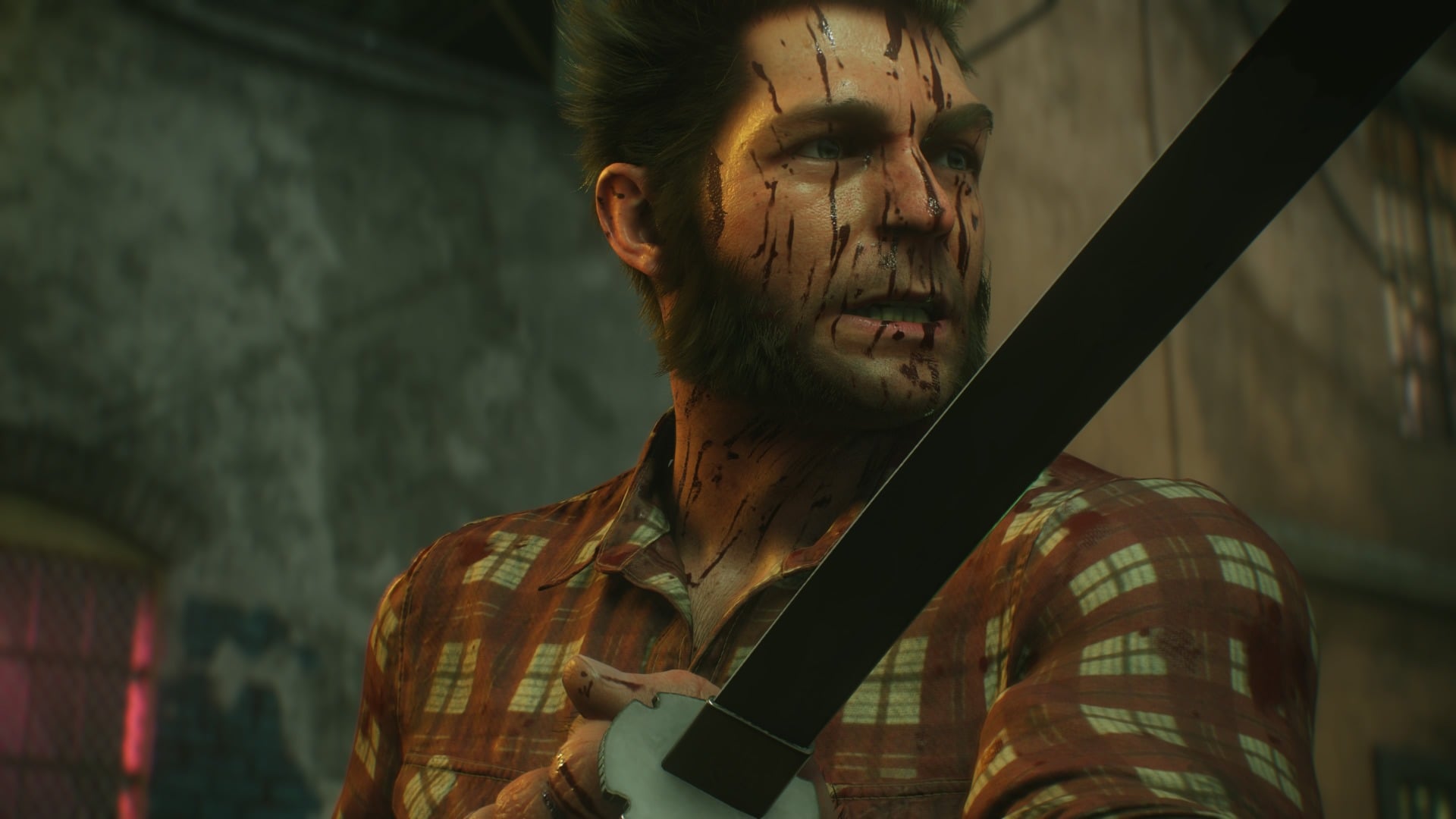
Save for one nod in that direction, Marvel’s Wolverine embraces brutality. That the titular hero’s special techniques focus on crowd control or a last-minute save from death, and he can get impaled by a health-blocking katana only to use it on an enemy to regain health, are nice combat flourishes that lean into his skillset. Logan kills like he’s been born for it, and as Insomniac’s first M-rated game in at least a decade, the violence on display definitely feels like the studio’s letting off some steam. Those who loved the bloody carnage of Logan and Deadpool & Wolverine will feel right at home with the game’s base settings, but anyone who may understandably want a break from the bloodshed and language have options to toggle both off at any time without any real consequence.
Really, the combat’s biggest problem is that there’s so much of it; every fight in the game’s second half could almost certainly be improved by having at least half a wave less than they do. (Dialogue bemoaning that “they just keep coming!” only adds to the feeling of tiredness.) Depending on one’s prerogative, the stealth and investigation sections will feel like either a decent enough reprieve from slashing and dodging or a roadblock getting in the way of the same. None of the stealth is mandatory, so you’re free to just get caught without consequence and cut to the combat immediately, and the investigation moments aren’t as obnoxious as they could be.
As a linear action-adventure title, Marvel’s Wolverine lives and dies on its set pieces. They’re all generally strong, some may even be considered great, depending entirely on your appreciation for spectacle. Logan’s healing factor allows Insomniac to put him through hell in a way that embraces the game’s already MCU-like storytelling and popcorn-worthy flair. Whatever else can be said about this game, it can’t be denied how well the boss fights embrace a dumb, comic book fun that Wolverine often works best in, and one briefly mixes story and gameplay in a way that’s hilariously, wincingly grim.
This is all wrapped in a narrative that sees Logan in a familiar spot as a black ops soldier reluctantly pulled into fighting for mutants. To the larger public, they’re not well-known, but Bolivar Trask and the Reavers are very much looking to wipe them out, opposed by Team X and their leader, Nathaniel Essex. What starts as “one last job” for Logan to do right by his father figure becomes much more complicated when he meets a group of runaway mutants led by Callisto and Jean Grey. “Complicated” in that Jean’s presence definitely drives a wedge between Logan and his teammates, but he was already on shaky ground after having left and not easily slotting back into place as they’d hoped.
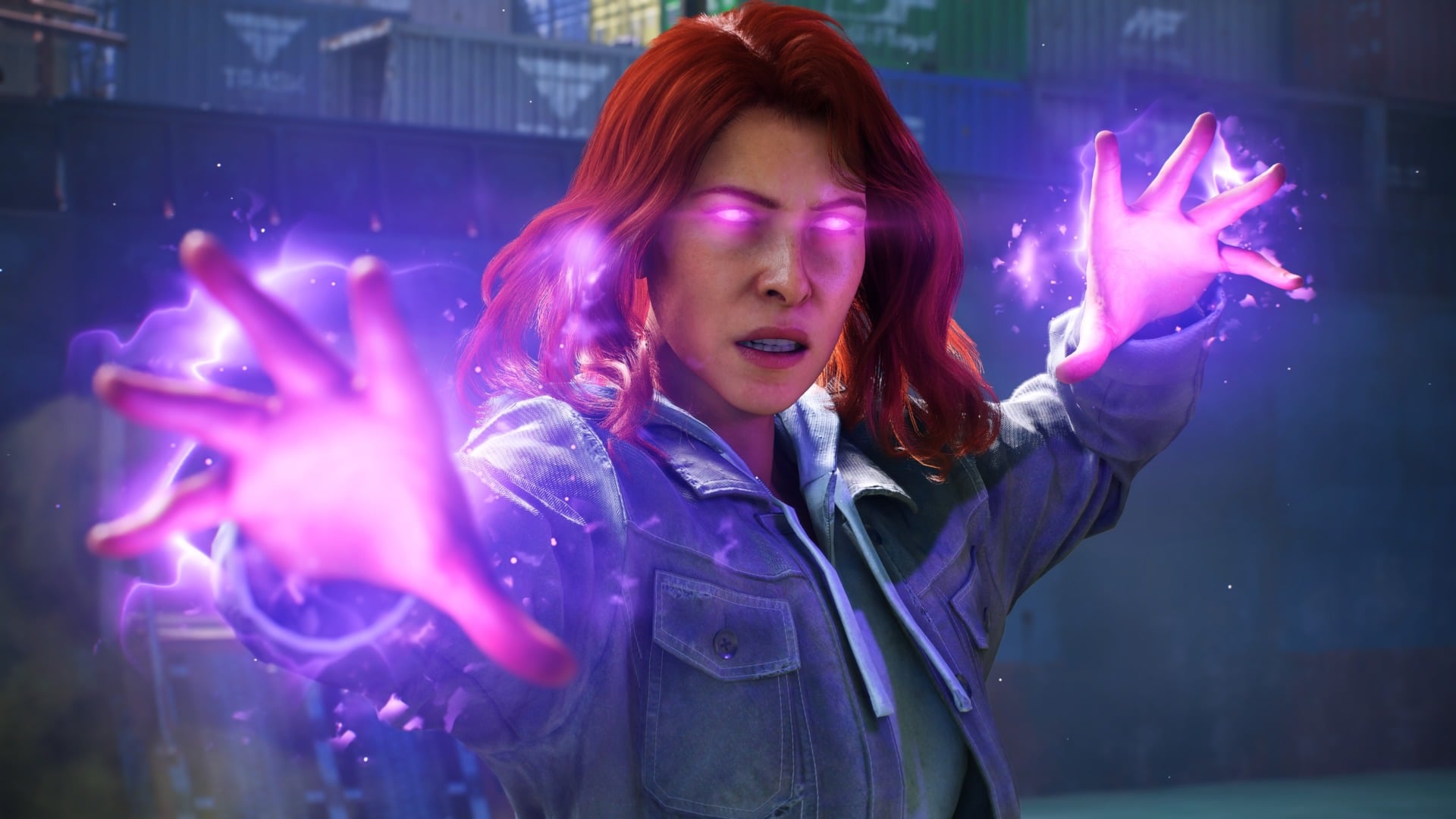
Rare is it that Wolverine and Jean Grey are in proximity to each other without other top-tier X-Men alongside them. It’s not a spoiler to say there’s sparks between them—Wolverine’s down bad for women and charms them in a way only comic book men can!—but the relationship generally works, in part because it’s able to play out without feeling like it’s directly opposing another. It’s completely secure in its own skin, allowing for Liam McIntyre and Krizia Bajos to bounce off each other as Logan and Jean feel out one another before various wrenches get thrown into their relationship.
X-Men characters are famously messy, which the narrative mostly captures well. Reframing Essex as an evil mirror to Charles Xavier and Team X as his X-Men equivalent lets Logan fit comfortably between who he used to be and who he’ll eventually become, and McIntyre sells that this Logan is both aimless and focused in a way that aligns with Team X, but only just so. His being self-aware enough to understand his talents for violence but refusal to fall fully into the darker impulses his teammates do is a good angle, and he’s got good chemistry with Brett Gipson’s Sabretooth, Nicole Pacent’s Mystique, and others who can’t not let their past history with Logan color how they see him now.
It’s the dissolution of Team X and how mutants fit into the world where Marvel’s Wolverine is at its strongest narratively. When the scope widens, the game may be swinging a bit too high, or at least doing it too soon. There are some interesting swerves taken throughout the journey, and credit to Insomniac for holding off on its biggest reveals until the final stretch of the game. But those flags planted in the last hours may come across as excessive shot-calling when the story’s otherwise pretty good about how it chooses to escalate and let the characters respond to those moments.
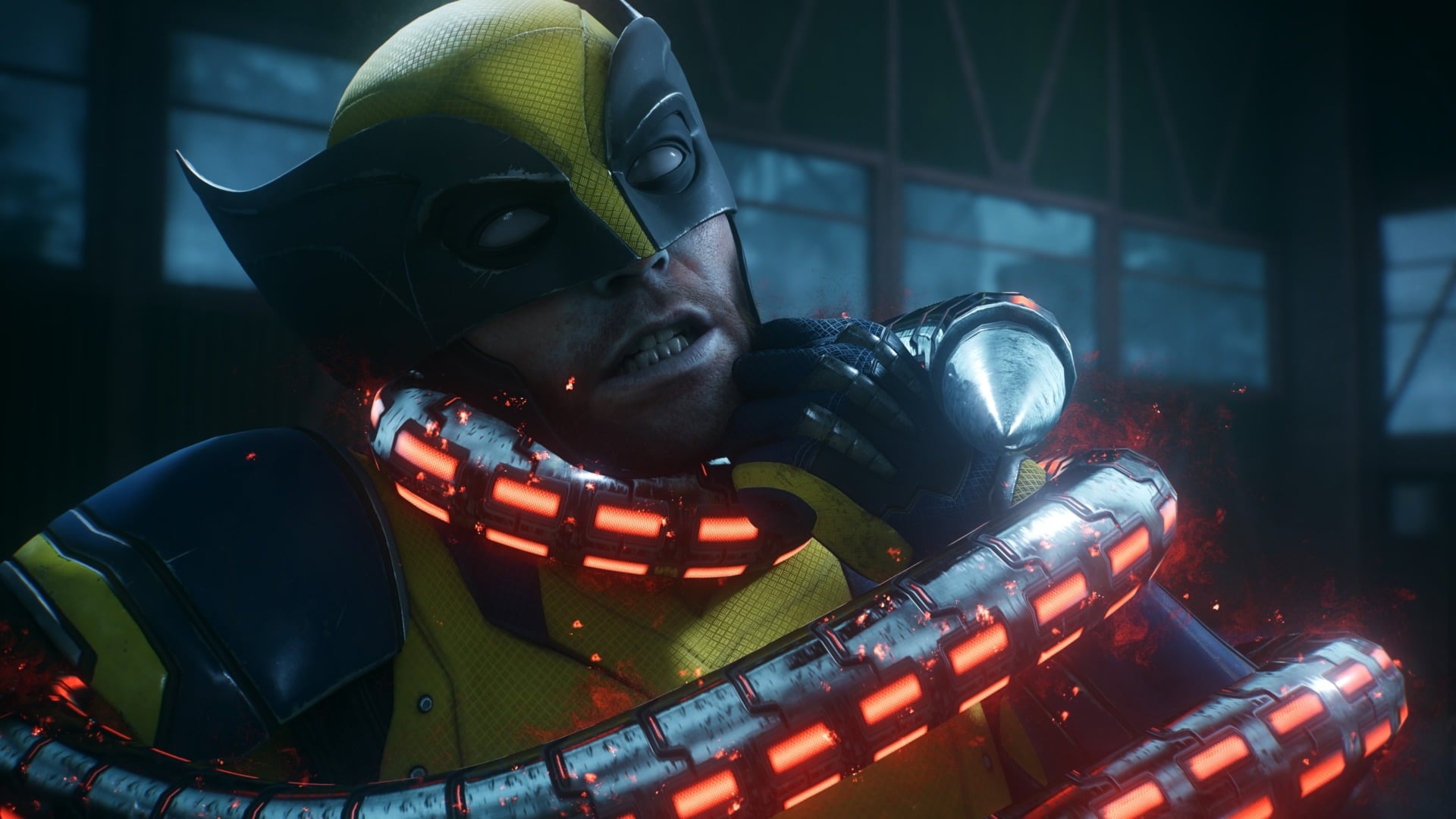
Even with those issues in mind—and a small handful of bugs, like a floating gun during a cutscene—Marvel’s Wolverine is a solidly put together work that provides a comfortable dose of action PlayStation’s first-party output doles out on a consistent basis. That cuts both ways, though: while it slots in nicely as a chapter in the next phase of the X-Men’s life, elements of the game will feel dated, such as searching or listening for multiple clues to continue the mission or being given control mainly to observe the admittedly well-constructed scenery. If you already aren’t into the PlayStation house style of games, or how this particular studio makes them, it won’t change your mind, and it’s also not really trying to.
As such, and after making Marvel games for nearly a full decade, it’d be nice if this were allowed to be Insomniac’s last for a while. The studio’s been a hard worker, reliably churning out games for PlayStation over the last two console generations, and has more than earned the right to step out of the spotlight and catch its breath, maybe work on something entirely new.
And after there’s been proper time to miss this type of superhero game? Well, ask any Big Two comics fan, and they’ll tell you that absence is what makes a major hero’s eventual comeback so exciting.
Marvel’s Wolverine releases September 15 for the PlayStation 5.
Want more io9 news? Check out the best movies and TV shows to stream this month and all the upcoming sci-fi, fantasy, and horror books that should be on your radar.