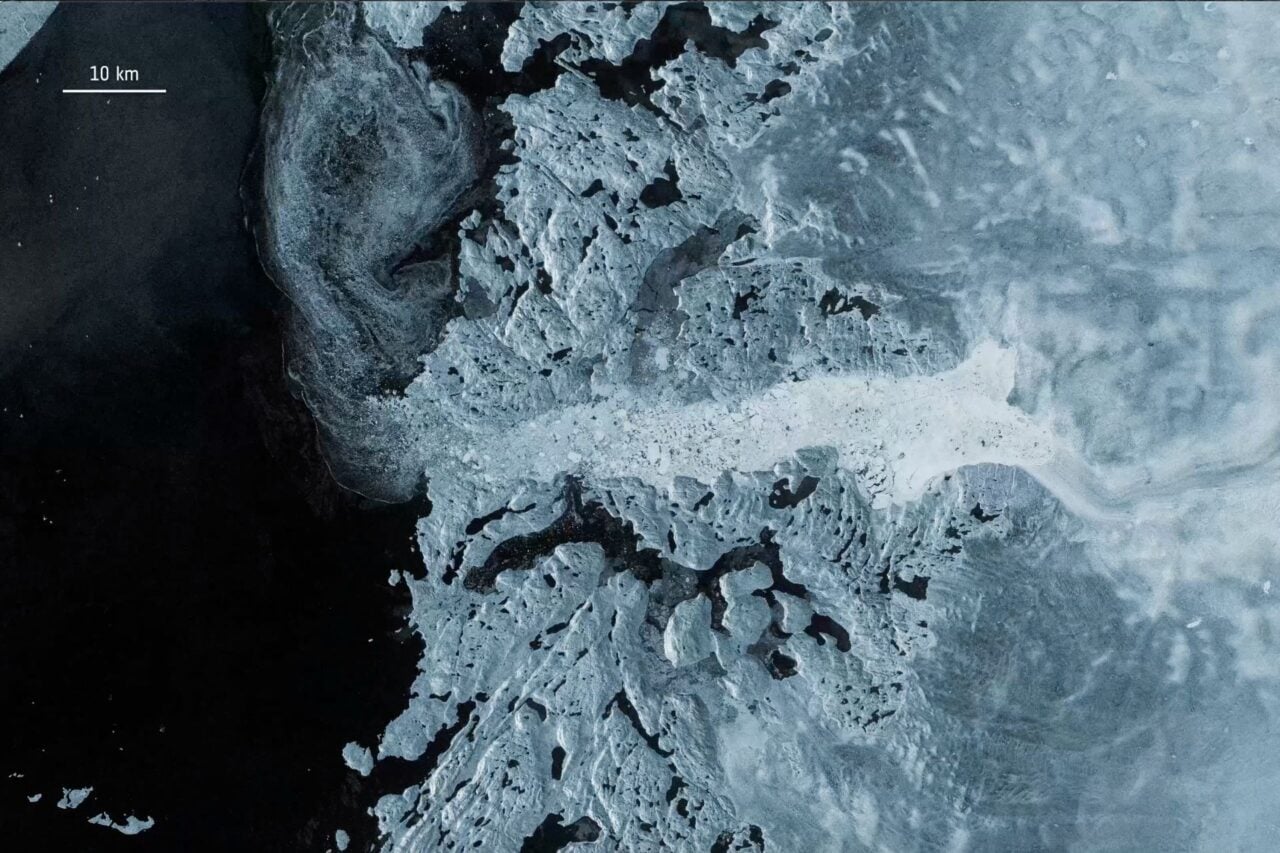
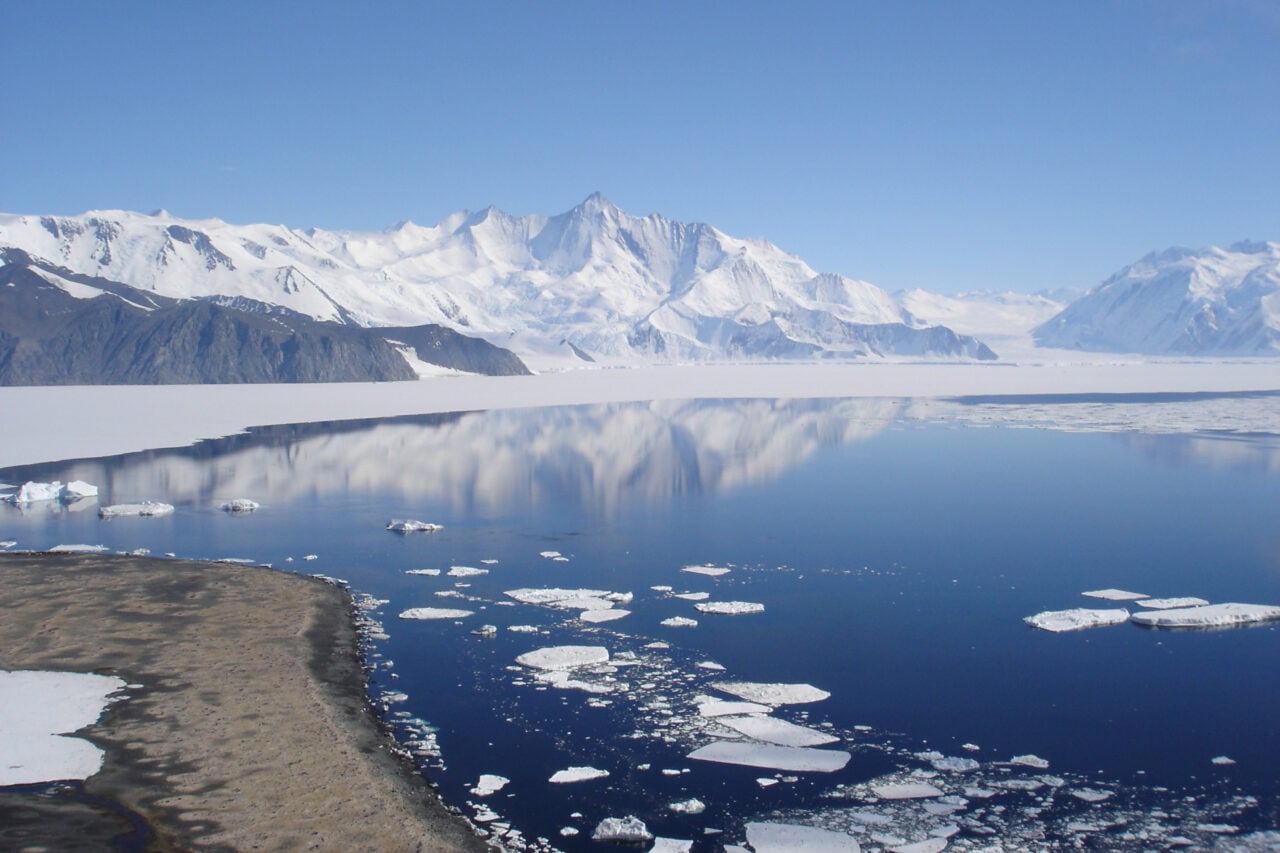
One of Earth’s most dangerous glaciers is emerging as a potentially greater driver of future sea-level rise than previously understood.
A team of glaciologists at the University of California and NASA’s Jet Propulsion Laboratory developed a new ice sheet model to come up with a more accurate projection of the melting of Thwaites Glacier in West Antarctica. The findings, published in Nature Communications, estimate that the glacier could contribute up to 1.2 inches (30 millimeters) of sea level rise by 2100, even without additional climate warming.
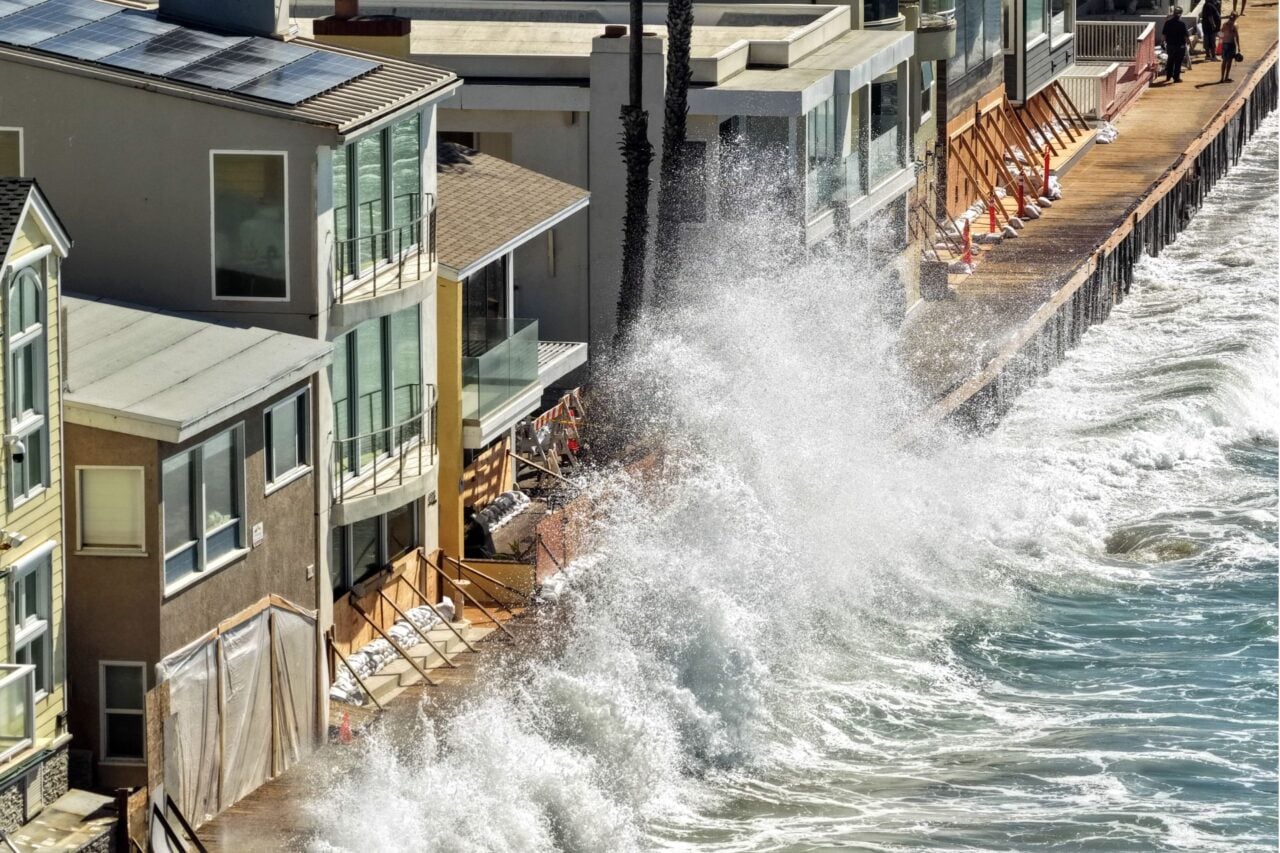
The study highlights an even greater risk of coastal flooding in the coming decades than previously estimated.
Beneath the ice
Also known as the Doomsday Glacier, Thwaites has undergone a profound transformation in recent decades, thinning, accelerating, and retreating inland as warm ocean water eats away at its floating ice shelves from below.
For decades, glaciologists have relied on the concept of the “grounding line” to understand ice-sheet dynamics: a distinct boundary where ice transitions from resting on bedrock to floating on the ocean, traditionally treated as a relatively narrow and stable feature.
Scientists use computer models to predict how glaciers flow towards the ocean and how quickly they lose ice. Meanwhile, satellite observations measure how quickly ice moves across Antarctica. The predictions and the real-world observations, however, don’t fully agree.
Thwaites is particularly important because its ice rests on bedrock that deepens inland in many areas. As warm ocean water melts ice near its grounding zone, the glacier can retreat into deeper water, potentially allowing more ice to flow into the ocean.
The gap between model predictions and satellite observations raises questions about whether scientists have been underestimating the pace of change in Antarctica’s glaciers.
A higher risk
The researchers behind the new study set out to reconcile ice sheet models against observations collected over the past 20 years.
Using synthetic aperture radar data from Finland’s ICEYE satellite constellation, researchers detected fluctuations in Thwaites Glacier’s grounding zone along its main trunk. The observations suggest that seawater penetrates several miles beneath the glacier’s grounded ice, lifting it in response to tidal fluctuations.
This movement allows pressurized seawater to travel beneath the ice, potentially carrying ocean heat farther inland and intensifying melting at the glacier’s base. The intrusion of seawater may also be influenced by ocean currents reshaped by climate change.
The recent study suggests that processes within the grounding zone are accelerating Thwaites Glacier’s retreat from stabilizing ridges beneath the ice, allowing it to flow more rapidly towards the ocean and increasing its vulnerability to further deterioration.
“We have documented and quantified the impacts of climate change on our planet’s sensitive ice sheets for decades, but a mounting realization gained in recent years of what is happening on the undersides of glaciers like Thwaites is leading to an even greater sense of alarm,” Eric Rignot, professor of Earth system science at the University of California, Irvine, and co-author of the study, said in a statement. “Our new model with more complete physics is able to match the record and then produces projections that are twice as large as before.”