Volcanoes and Cooling
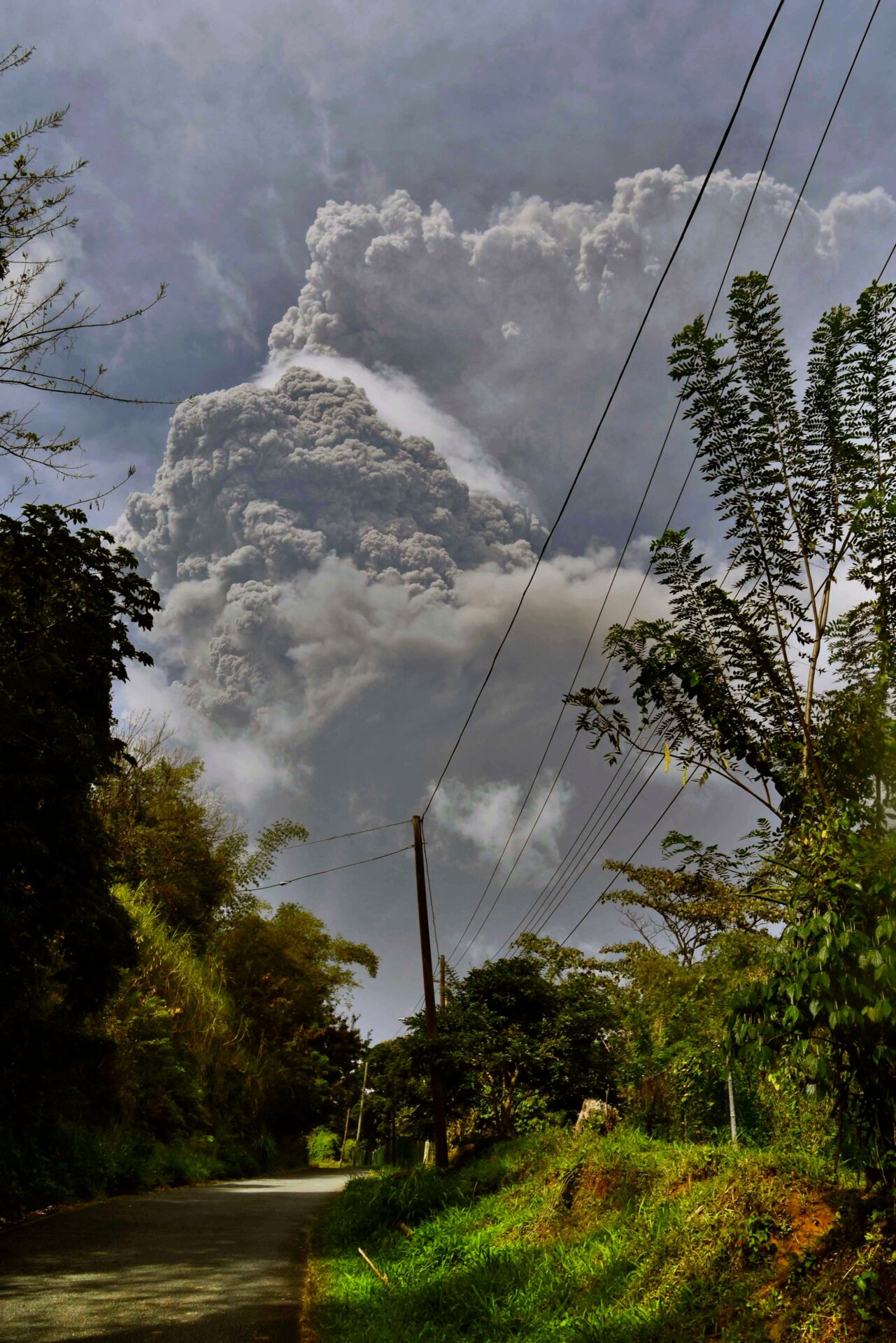
According to NASA, the ongoing explosion at La Soufrière has already caused between 0.4 and 0.6 teragrams of sulfur dioxide to be distributed in the upper atmosphere—more than any other Caribbean volcano on record. Some volcanic eruptions can have a cooling effect on the climate, as sulfur dioxide in the atmosphere can reflect radiation from the Sun back into space. The 1991 eruption of Mount Pinatubo in the Philippines, one of the largest eruptions in modern history, sent a 20-million-metric-ton cloud of sulfur dioxide more than 22 miles into the atmosphere, which made the planet around 0.7 degrees F cooler for the next three years. (The explosion also temporarily shifted rain patterns in Asia.) But, experts say, La Soufrière is unlikely to have this kind of impact: “The current thinking is that a volcano needs to inject at least 5 teragrams of sulfur dioxide into the stratosphere to have measurable climate impacts,” Michigan Tech volcanologist Simon Carn told NASA.