Dangerous Gases Rise Where Lava Meets the Ocean
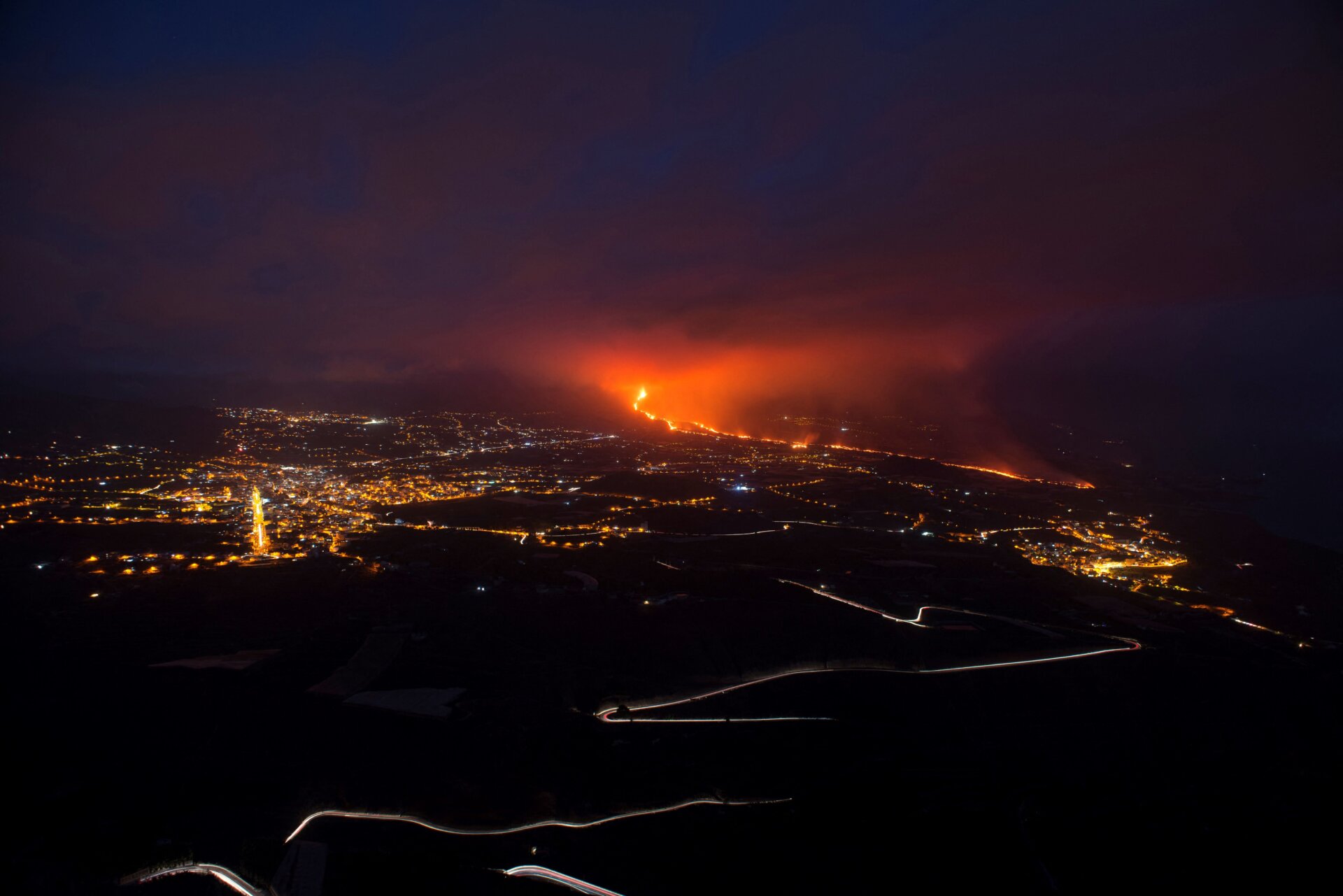
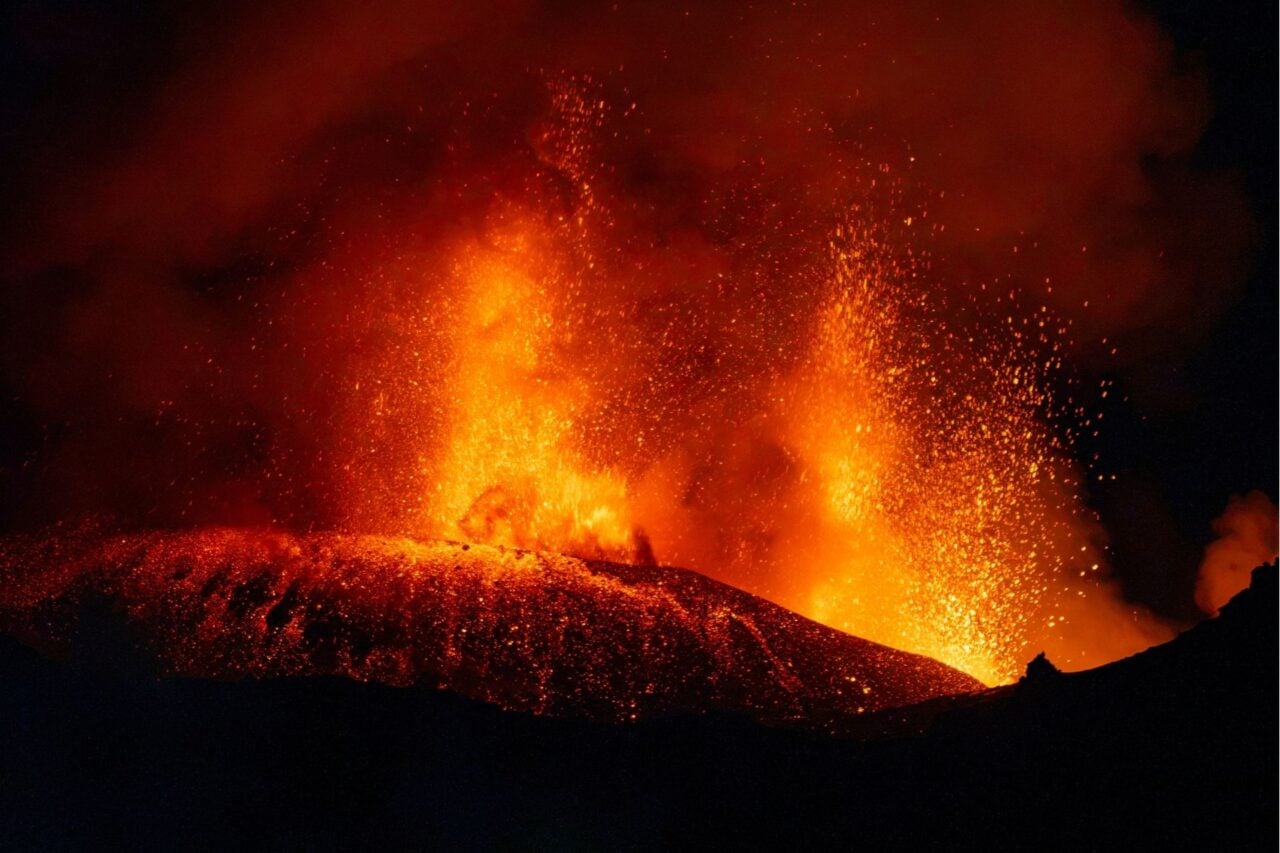
The lava on land isn’t the only danger. Cumbre Vieja’s molten rock river reached the sea late last month, 10 days after the eruption started. Hot lava hitting seawater can cause a reaction that emits a deadly mix of steam, toxic gas (including hydrochloric acid), and tiny shards of volcanic glass. This mix is known as “laze”—a portmanteau of “lava” and “haze”—which can cause breathing difficulties and irritate the skin of people who come in contact with it. Communities near where the lava is reaching the sea have been advised to stay inside and keep their windows shut.