Roku is ditching its smart home business after just four years. That’s according to freelance journalist Janko Roettgers, who reports in his Lowpass newsletter today that the company has confirmed the exit.
A Roku spokesperson told Roettgers Roku will wind down sales of its smart home hardware and focus on “being the top streaming platform.” Roku will continue supporting the products and their associated services, the spokesperson told Roettgers. Most of the smart home products on the company’s website are now sold out.
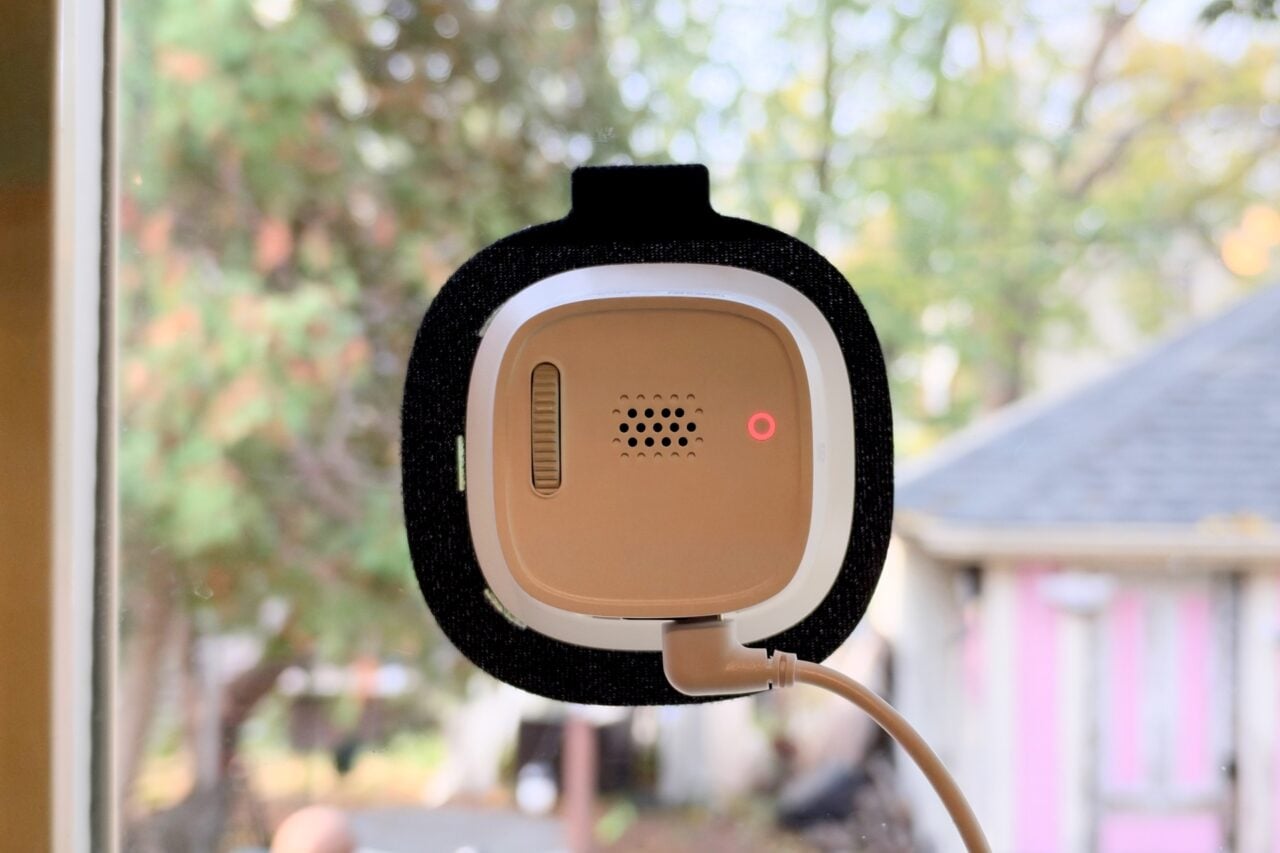
Roku released its first smart home devices in 2022, including the Roku Indoor Camera SE, a wired camera that it had co-developed with Wyze—which is very obvious when you look at pictures of the thing. The initial line-up also included a wireless doorbell, numerous indoor and outdoor cameras, smart bulbs and light strips, and smart plugs—all rebadged versions of pre-existing devices. None of the products went for more than $100.
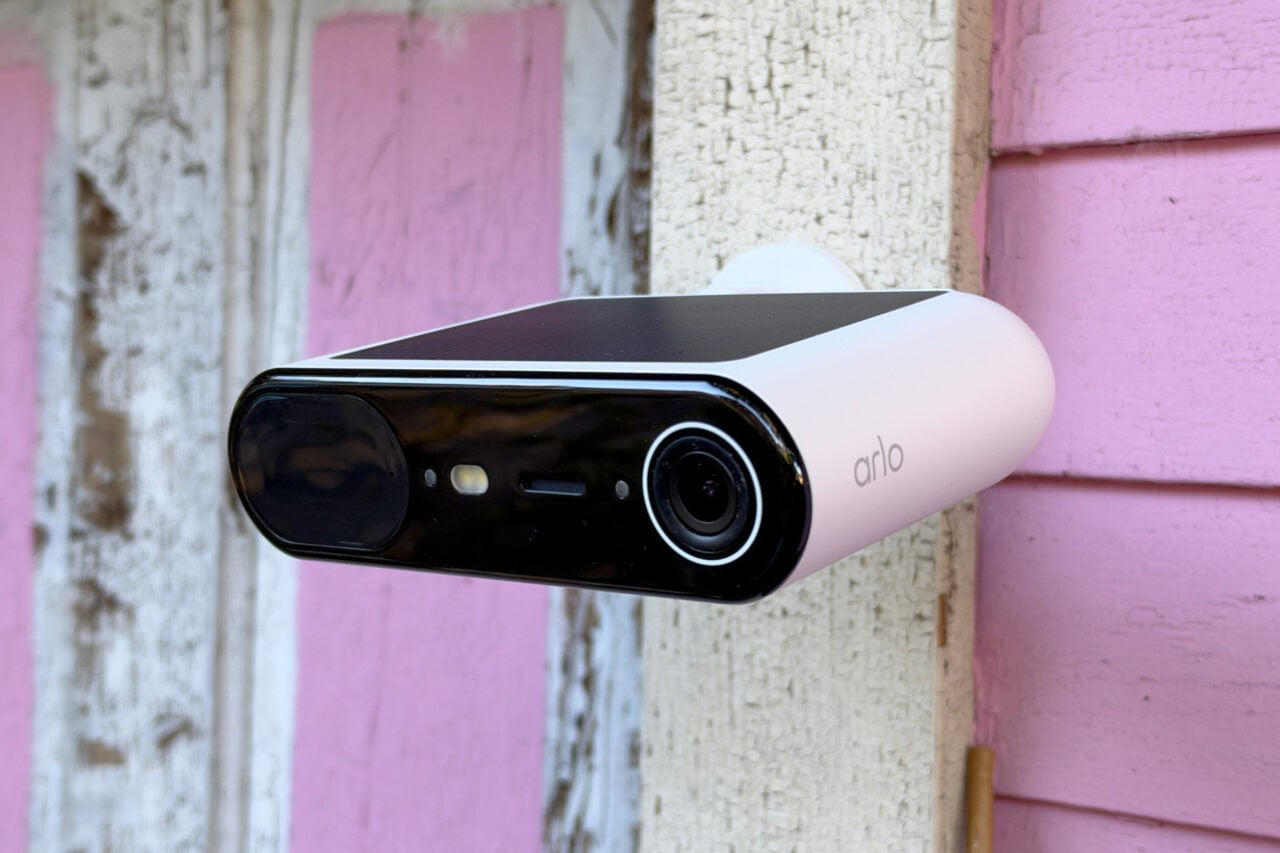
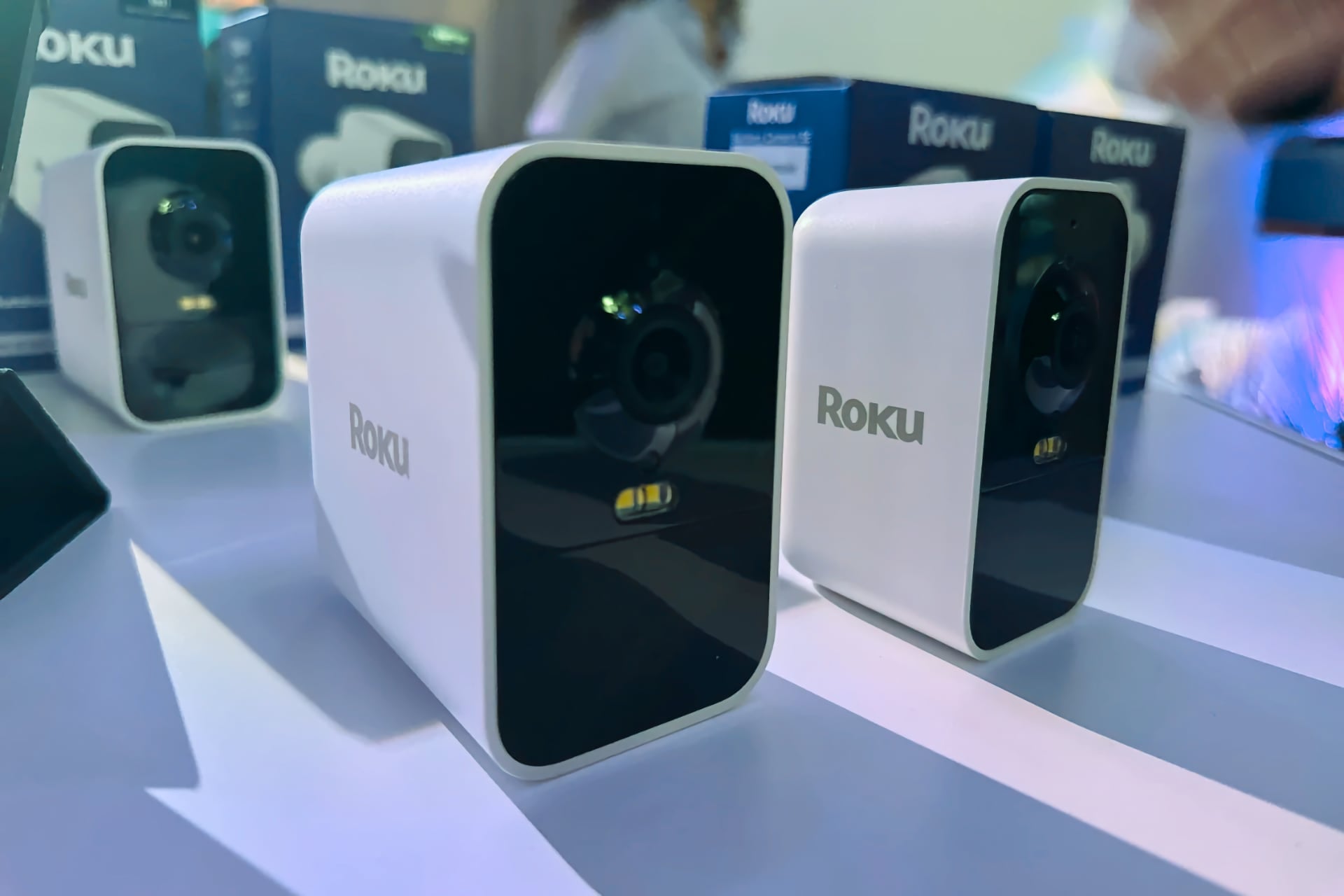
The company has since released a pair of what it said were in-house-developed outdoor cameras, the $40 Roku Battery Camera and the $60 Roku Battery Camera Plus, which Gizmodo got a peek at last year. Those devices were most notable for their batteries, which the company claimed could last up to two years per charge.
It may seem odd that Roku, a mainly TV and set-top box streaming device maker, was in the smart home space at all. But then, it fits within the company’s business model of selling hardware on the cheap and supplementing with ads and subscriptions. As Roettgers notes in his story, Fox recently acquired Roku—a sale that cost Roku users one of their favorite screensavers—but the dwindling and disappearing Roku smart home stock at retailers like Home Depot and Amazon had started before then.
With Roku winding down its smart home business, that leaves one less option for budget devices in the space. The hole is bigger in the security camera area, where Wyze and Blink play. Both offer very cheap hardware with local storage options—with Wyze being particularly appealing on its face, thanks to microSD card support. (Blink requires separate hardware for local storage.)
But they aren’t necessarily ideal choices. Wyze has had numerous privacy and security issues—like in 2024, when users found they could see others’ camera feeds. Last year, Wyze crowed about new security issues, but would not commit to end-to-end encryption when speaking with The Verge. And Amazon-owned Blink relies heavily on subscriptions. Roku’s cameras weren’t necessarily an appealing alternative, but they were an alternative all the same.