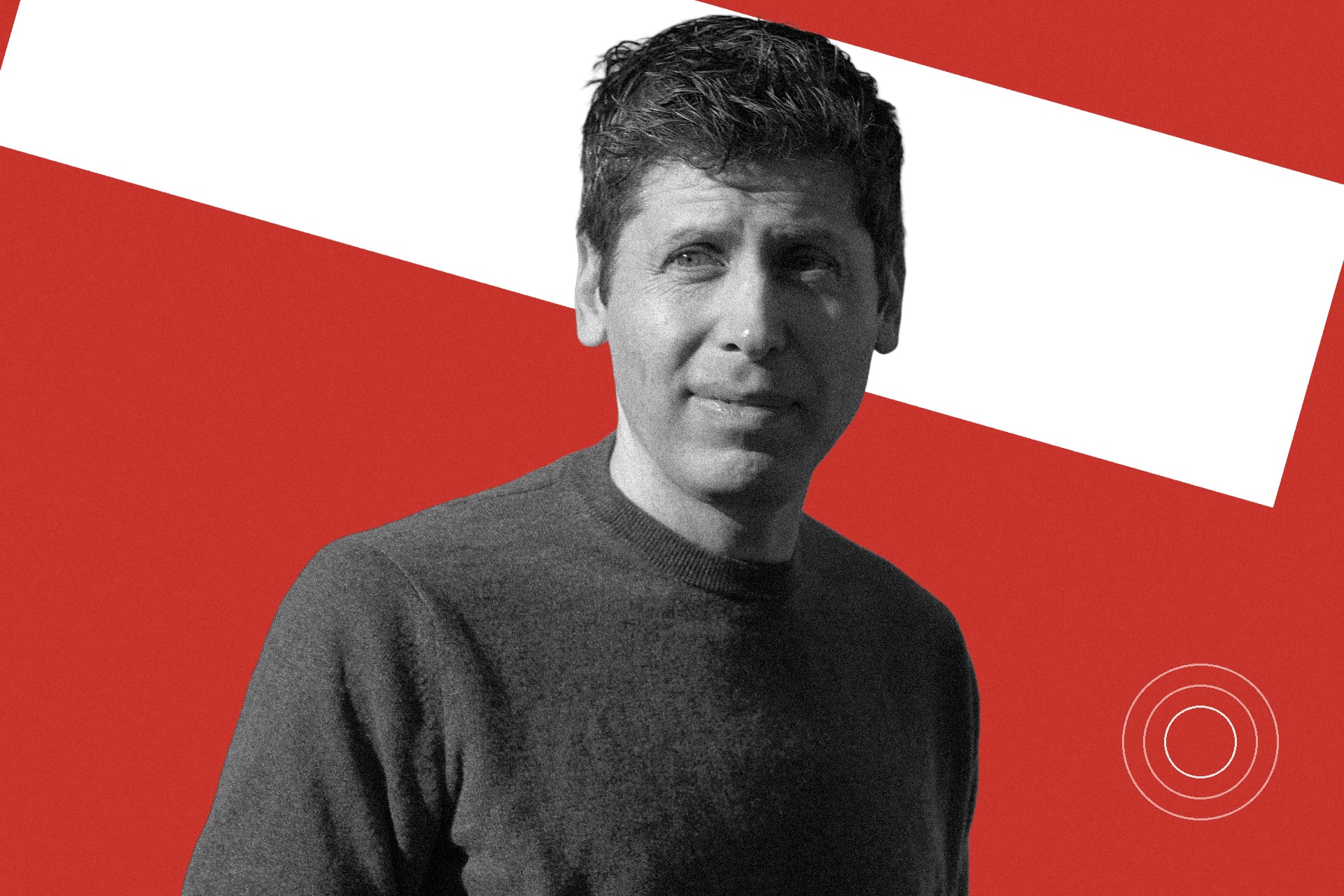
It seems like every day a new, potentially internet-shattering cybersecurity issue is discovered or exploited by artificial intelligence. It’s gotten bad enough that even OpenAI CEO Sam Altman, one of the people who is most responsible for pushing AI development forward despite the risks, now believes that simply patching the problems is no longer a viable option.
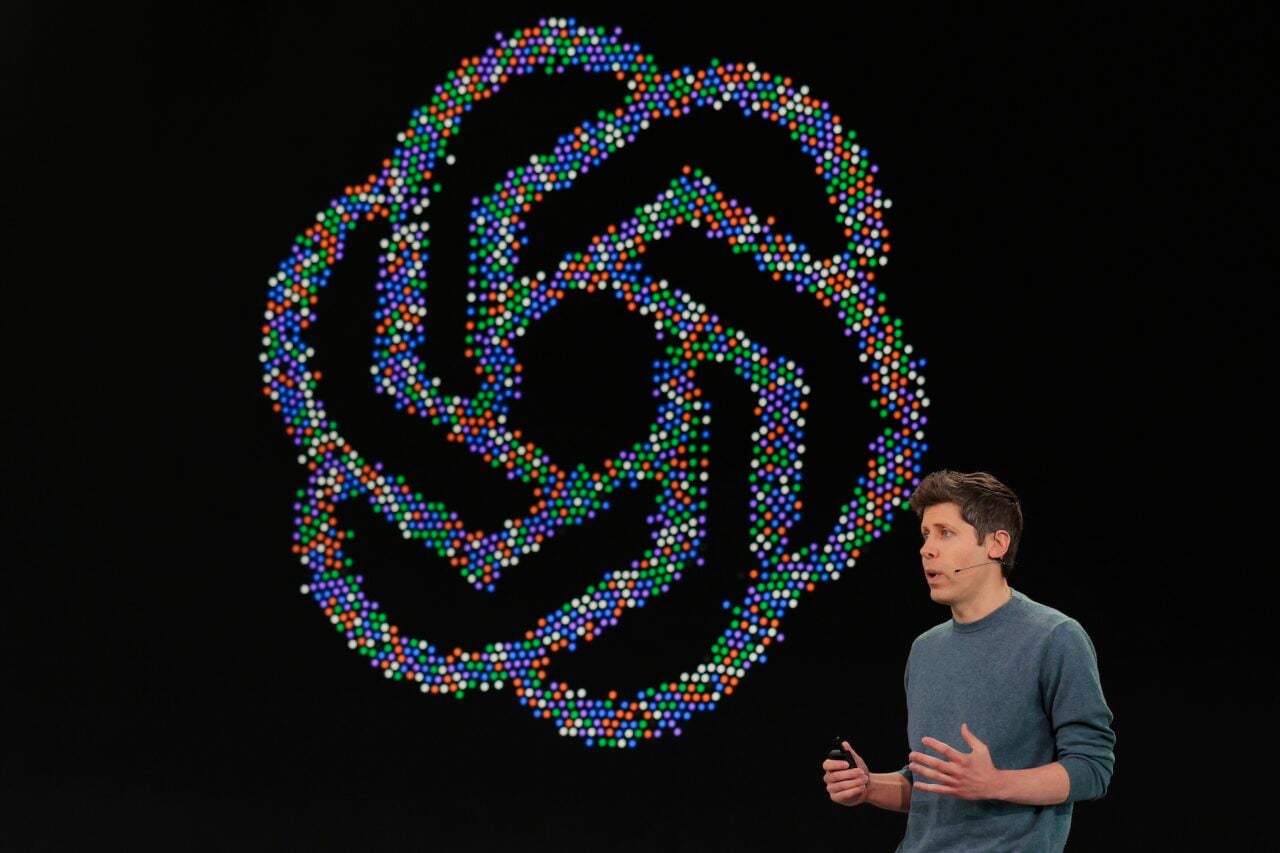
During an appearance at the Stanford Graduate School of Business, Altman told a group of grad students that the cybersecurity crisis is worse than anyone could imagine. “I no longer think we’re going to be able to just patch all the bugs,” he told the audience, in part due to the ongoing advancements of AI models and in part because the targets of cyber attacks have acted too slowly to get ahead of it.
“This cybersecurity…I don’t even know a dramatic enough word to use, but the problem coming towards us, I think, is still something that we have not, as organizational leaders or countries or individuals, taken seriously,” he said.
Altman pointed to the freakout when Anthropic announced its Claude Mythos model with the ominous warning that it can’t be made public because it is simply too powerful and could lead to the undoing of cybersecurity as we know it. “People definitely patched some bugs, but it was another one of these cases where people didn’t really intuit the exponential.”
Basically, Altman suggested that the organizations that did take action just patched up the problems that AI models were able to find and called it a day, as if no other future bugs or exploits would be found. “Largely speaking, I think most organizational leaders have somewhat moved on. And the models have kept going,” he said.
Altman seems to be scolding these organizations for not taking the situation seriously enough or considering that models might evolve and improve, but seems to have less interest in reflecting on whether or not he might have undersold the issue while pushing forward because fully acknowledging it might have led to a more serious push to slow or stop development while he’s got an initial public offering he’s trying to get to.
Notably, when OpenAI’s own agents broke containment and hacked Hugging Face, it was clear that its own procedures and security methods were insufficient. Despite pushing for the AI industry to adopt chain-of-thought monitoring—a technique for examining a model’s internal reasoning—as standard practice, OpenAI had not implemented it for its own training sessions. And, according to an investigation by AI safety nonprofit METR, OpenAI had already been alerted that its agents had escaped their sandbox and patched the exploit that allowed them to do so. But those measures failed to prevent another escape that led to the attack.
So we’re kind of in pot-calling-the-kettle-black territory here for Altman. But worry not, OpenAI’s founder has a solution for where patching fails: more AI. “I think we’re going to have to completely switch the defense model to using the same technology for a new kind of defense shield,” he said. OpenAI is apparently getting into the arms dealer model of selling to both sides of a conflict.

To think, we were so close to not having to live this nightmare. Altman revealed during the talk that he nearly went into investment banking because “it was what all the cool kids wanted to do, and I fell victim to peer pressure.” It’s not clear if he’s still as susceptible to peer pressure as he once was as a teenager, but we could all try bullying him just to see if it still works.