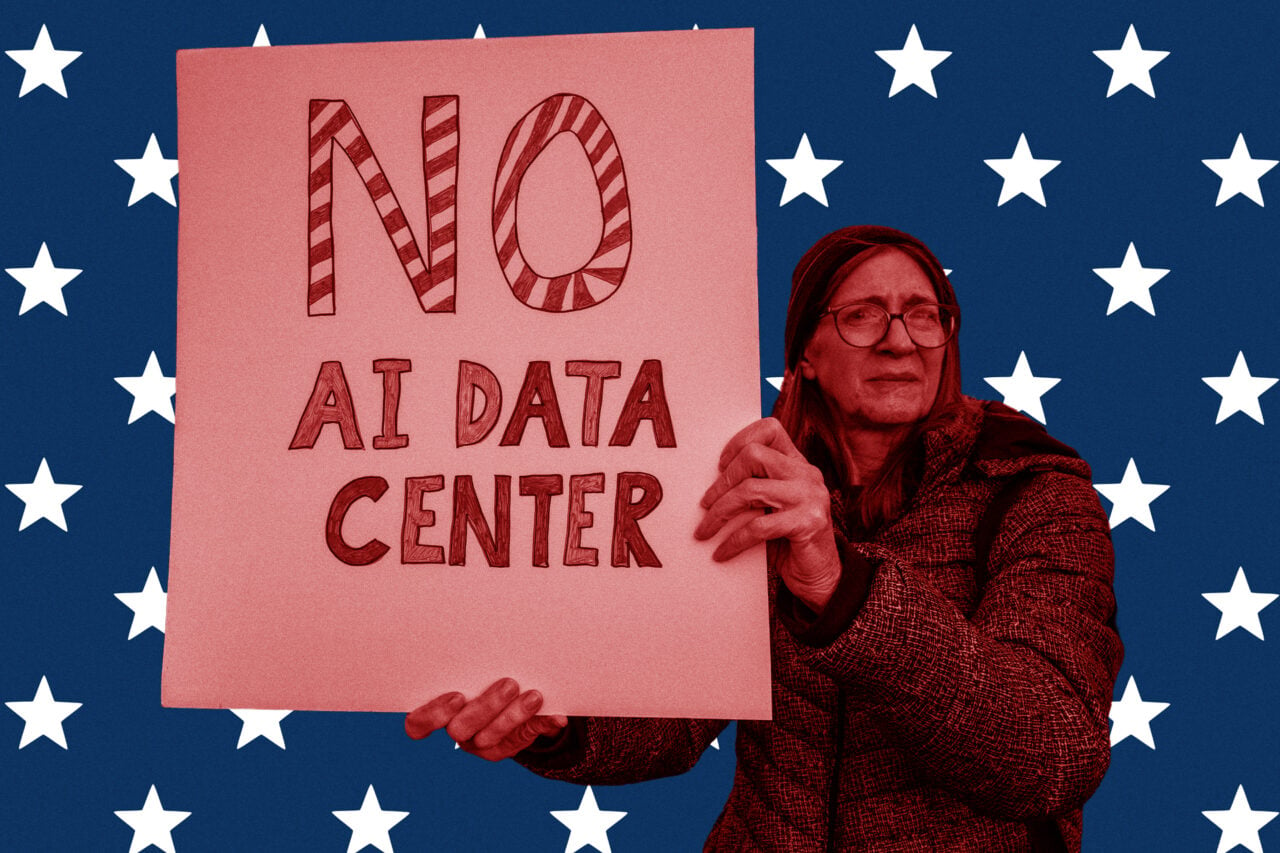
The Democrats swept the Midterm elections on Tuesday night, but the Republicans weren’t the only ones dealt a blow. Americans went to the polls to voice their dismay over the unprecedented AI infrastructure buildout.
Even in places where they weren’t on the ballot through specific propositions, data centers became a central piece of candidate platforms and debates. So much so that several races across the country, particularly in areas ripe with data center development, became a referendum of sorts on the future of data centers and the AI industry.
There are many reasons why Americans are increasingly coming out against AI data centers. A portion of it has to do with backlash against the technology it is powering: AI-driven systems have been deemed semi-culprits in faulty military strikes, mass shootings, suicides, and surveillance. The CEOs of the AI labs building the technology have themselves promoted existential risks associated with AI development, spanning nightmare scenarios of mass unemployment and biological warfare.
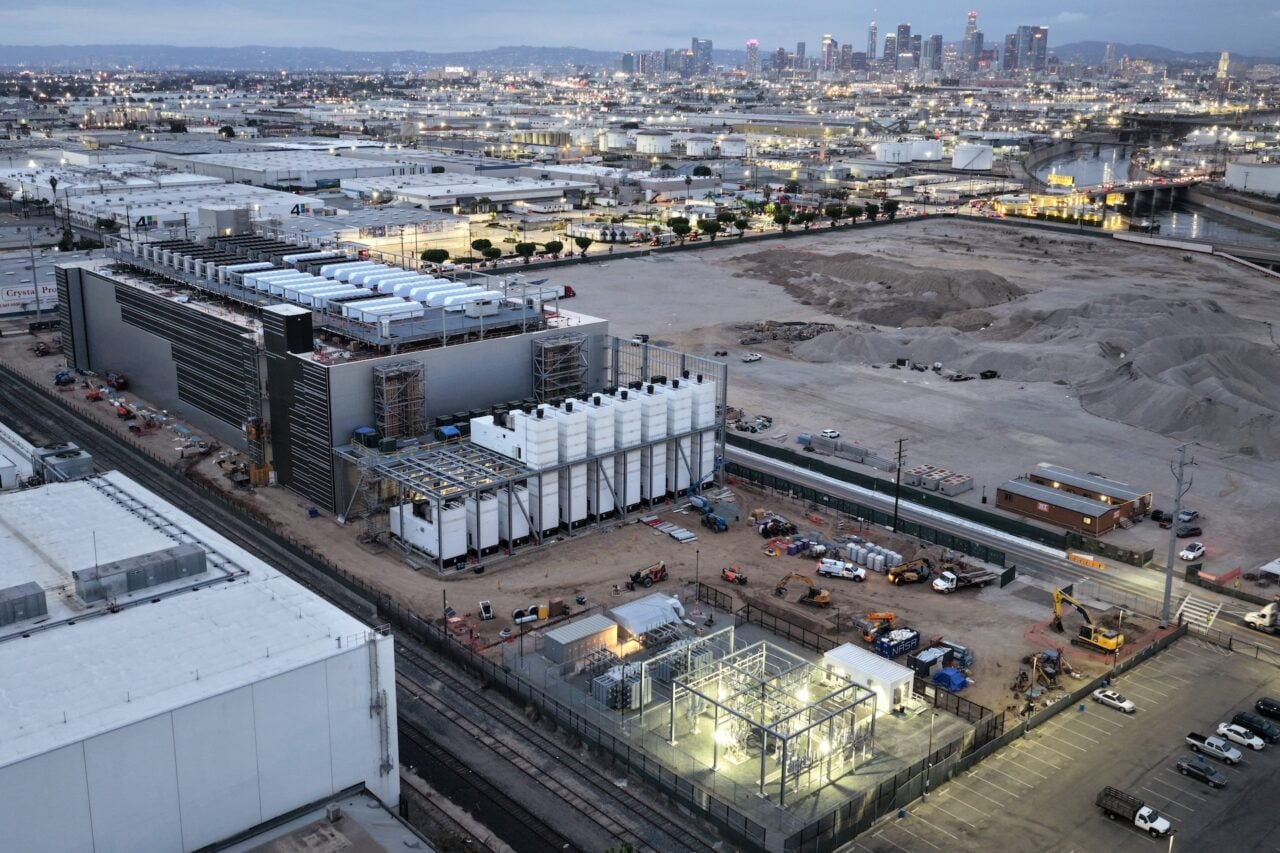
But opposition to the massive physical infrastructure powering AI has grown even faster than broader public concern about the technology. Locals who share a neighborhood with AI data center projects have reported deafening noise pollution, rising utility bills, water shortages, concerns about harmful air pollution and associated health risks, and fears of tanking property values. A preliminary study has also linked data centers to higher land-surface temperatures in surrounding areas. Most planned data centers are located in rural areas, fueling concerns about the loss of agricultural land.
One of the races where data center backlash was felt most profoundly was the Texas gubernatorial race. With ample land for development and a previously favorable regulatory outlook, Texas quickly became one of the leading states for data center development. There are currently just under 600 data center projects in the state, according to Data Center Map, with a good portion of these projects still either planned or in construction.
Texas’ pro-tech and pro-data center reputation was earned under current Republican Governor Greg Abbott, who once proclaimed promises to make Texas the “epicenter of AI development.” On Tuesday night, Abbott lost his reelection bid to Democratic state Rep. Gina Hinojosa. The historic win will make Hinojosa Texas’ first Democratic Governor since the 1990s, in what has been deemed a show of how bipartisan data center backlash has become.
On the campaign trail, Hinojosa frequently took jabs at Abbott’s record on data center development and his close ties to tech billionaires like Elon Musk while promising an immediate moratorium on data center development. Even though Abbott had recently changed his tune and ordered a permitting pause, an investigation found that Texas regulators continued processing permit applications. Abbott’s office maintained that the pause prohibited approvals, not processing.”
“When I am governor, we will put a pause – a moratorium on any agreements until we can pass laws to make sure that the people of El Paso and Texas have a seat at the table to decide if and how these data centers come into their communities,” Hinojosa said last month in El Paso, Texas, where locals have been protesting the construction of a Meta data center.
The Georgia gubernatorial race also saw data centers become a major attack point. Both candidates, Democrat Keisha Lance Bottoms and Republican Rick Jackson, sparred over the issue relentlessly throughout the campaign as data center backlash built among Georgians. Data center development is so prominent in the state that the Atlanta area has emerged as one of the country’s “fastest-growing data center markets,” according to CBRE. Ultimately, on Tuesday night, Bottoms, who advocated for a statewide pause on data centers, beat Jackson, who said he would allow projects that have local support.
The data centers were battling it out in the hyperlocal races as well. Local utility commission races across 10 states, including Georgia, Arizona and Oklahoma, became key to determining how AI data centers are connected to the grid. In Arizona, Democrats Clara Pratte and Jonathon Hill are expected to disrupt the Republican majority on the state’s utility commission after promising to crack down on utility price hikes associated with data center development.
In Georgia, Democrats flipped a utility commission that has been dominated by Republicans for 30 years.
“What I’m looking to do with the majority on the commission is to work to lower folks’ power bills using clean energy and make sure that we’re holding data centers accountable,” the Democratic Commissioner Hubbard said at a debate last month. “Republicans just have not seen fit to enact those policies.”
In Pennsylvania, a Senate district race saw the same two candidates running as four years ago, but this time the seat went to the Democrat Mark Pinsley instead. The Lehigh County Comptroller Pinsley is pushing for a statewide moratorium on hyperscale data centers.
The midterms were the first proxy election on the AI industry, and the wins provide resounding evidence of just how unpopular the technology’s trajectory is right now among Americans. But more than just indicators, the election, and particularly the gubernatorial results, are also likely to lead to stricter local regulations and moratoriums, hampering the meteoric pace of AI infrastructure development. At least some in the AI industry seem to have accepted that fate already.
“Data centers in space looking pretty appealing right now,” Musk posted on X on Wednesday morning. And OpenAI’s Sam Altman seemed to acknowledge a new order being born on Tuesday night with a cryptic post that ended with the line, “People should not cede control of the future to superintelligence, and that requirement should ultimately constrain AI progress.”