California
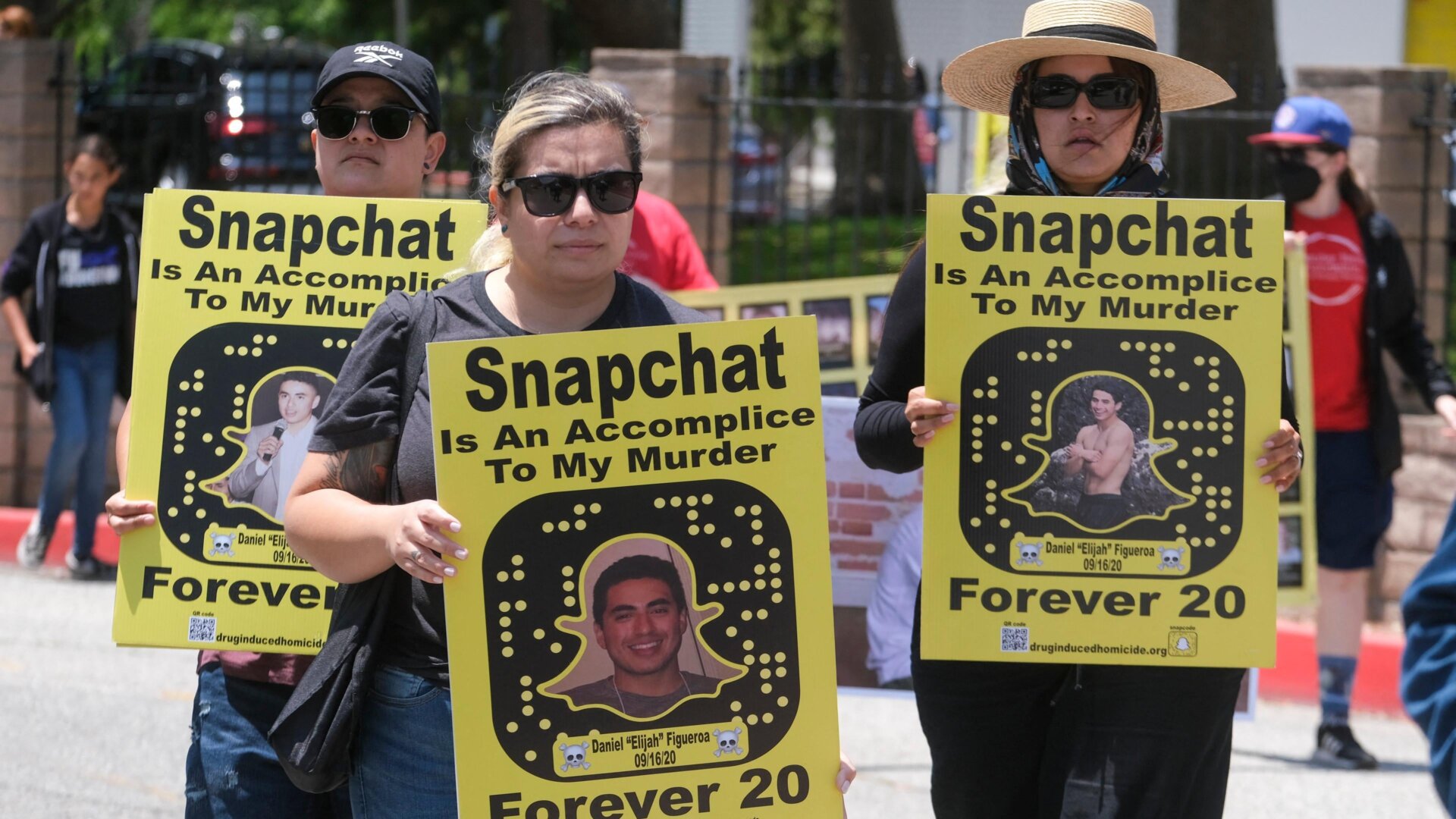
California’s recently proposed bill would require social media platforms located within the state—which let’s be honest, is most of them—to develop a “policy or mechanism” to address content that constitutes “unprotected speech” under the First Amendment. An abstract of the Californian bill, formally called AB 1114, lists obscenity, incitement, and statements that “purport to state factual information that is demonstrably false,” as examples of unprotected speech.
That last carve-out ostensibly appears to zero in on combating misinformation and disinformation, though previous federal attempts to enact similar restrictions have faced challenges.