Texas
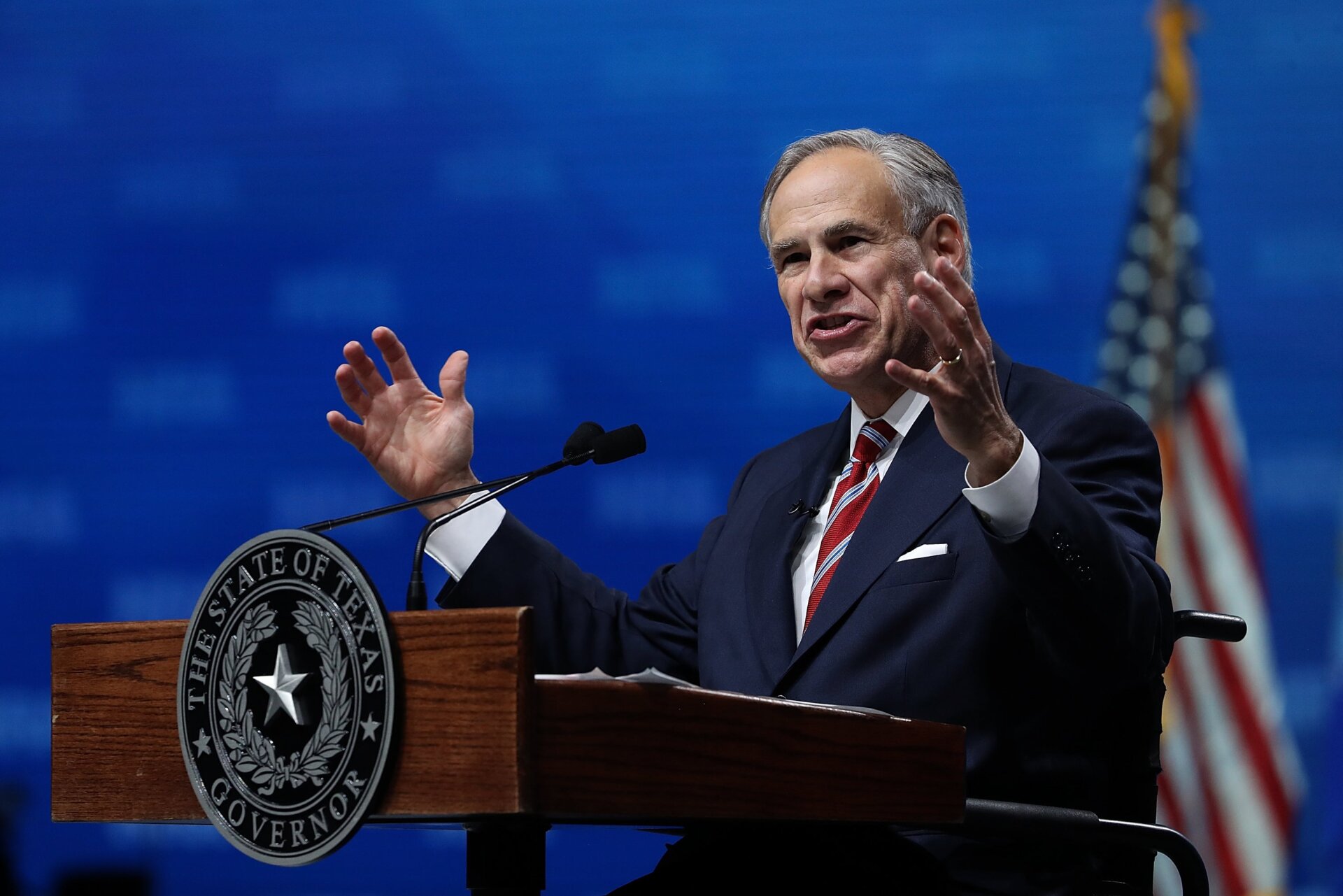
Florida may have gotten the ball rolling on the social media censorship law trend, but it’s Texas’ law that may have the longest-lasting political impact. Texas Governor Greg Abbott signed H.B. 20 or the “Freedom from Censorship Act” into law last summer. In a nutshell, the law lets users sue large platforms for blocking their accounts, even if the content they were blocked for violates the company’s terms of service. Leading tech industry groups sued Texas over the law arguing it violates those companies’ First Amendment rights.
Since then the law has bobbed around in a game of judicial pinball. First, a federal district court blocked the law on First Amendment grounds in December. In May, the conservative-leaning 5th circuit court appeals lifted the previous court’s injunction, setting the stage for the law to take effect. Then last month, in dramatic fashion, The Supreme Court stepped in to put the law on hold in a usual 5-4 ruling hours before it was set to take effect. It’s not entirely clear how courts will react moving forward. Though the law’s future remains unclear, it’s already stretched its wings and helped influence a number of similar anti-censorship laws in mostly conservative states.