More Research—And Protection—Are Needed
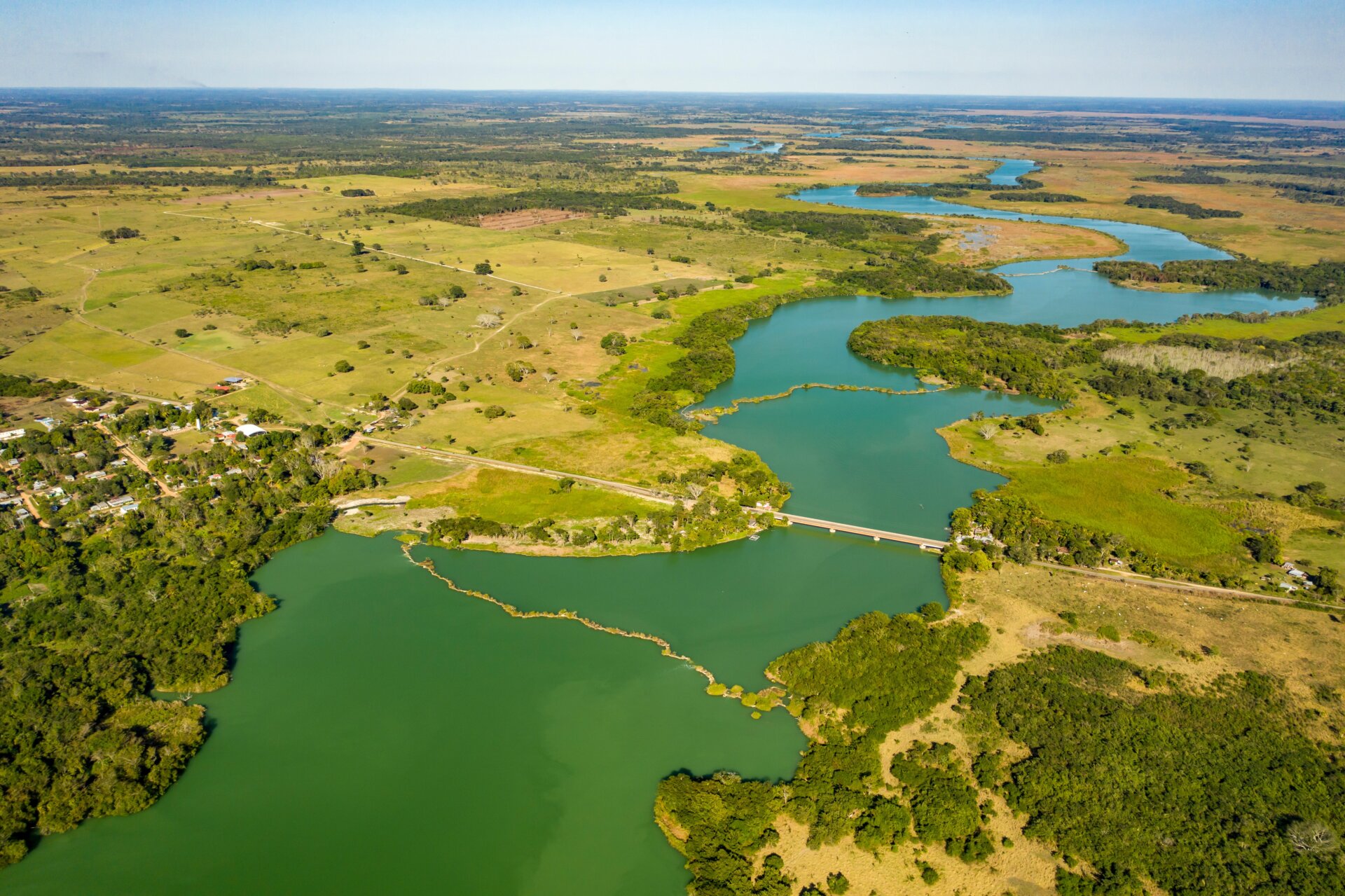
The researchers say there’s more to be learned about how the forest has managed to survive so far from saltwater for thousands of years.
Some key pieces of evidence may be missing—and may already be lost completely. Humans have already had an imprint on this forest and may have affected other types of species that would have been beneficial to evaluate. In the 1970s, the authors wrote, the plains around the river were largely destroyed to make room for cattle production. This mangrove forest was spared only because the ground was too swampy.
“We hope our results convince the government of Tabasco and Mexico’s environmental administration of the need to protect this ecosystem,” the researchers wrote in their paper. “The story of Pleistocene glacial cycles is written in the DNA of its plants waiting for scientists to decipher it but, more importantly, the San Pedro mangroves are warning us about the dramatic impact that climate change could have on the coastal plains of the Gulf of Mexico if we do not take urgent action to stop the emission of greenhouse gases.”