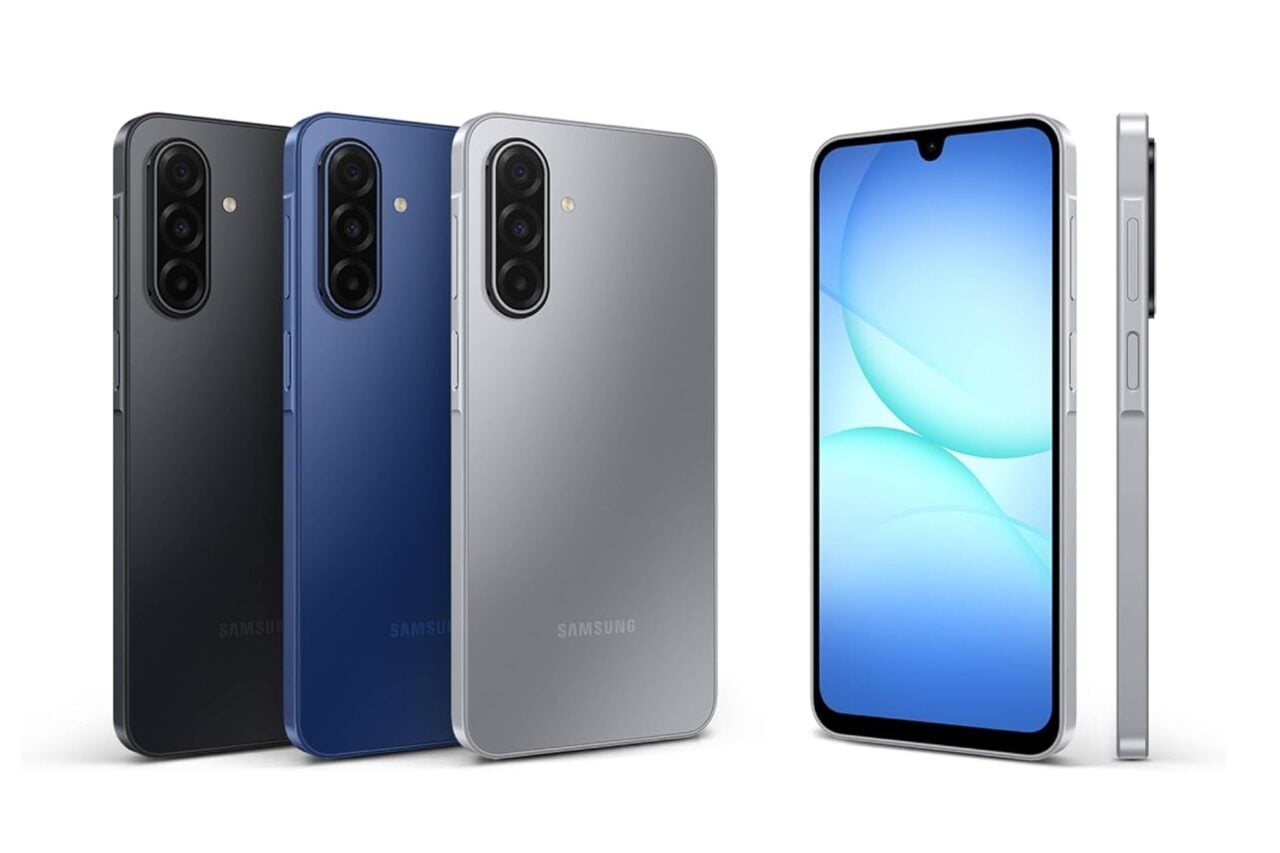
What’s shinier than Chrome? Aluminum, apparently. SamMobile claims, based on unknown sources, that Samsung is crafting all new laptops that could shake the foundations of mobile computing by combining Android and Samsung’s own interface.
These laptops reportedly won’t be yet another rendition on the boring old Galaxy Chromebook. They will supposedly run a version of Android—the heralded Aluminum OS—and will somehow tap into Samsung’s own walled garden, namely the upcoming OneUI 9.
How this will play out is still up in the air. OneUI is Samsung’s interface the company layers on top of its various devices, ranging from its phones to its tablets and all the way up to its TVs. Samsung already has a DeX mode for its Galaxy smartphones, which lets you hook it up to a monitor for a desktop-like experience. Samsung could expand DeX and use some of Google’s new Aluminum OS tools to allow even more devices to act as dockable PCs.
Google has routinely hinted it’s working on a new laptop experience that combines ChromeOS and Android. Without any new Pixelbooks, it may rely on its buddy Samsung to promote the platform. The Korean tech giant may launch a low-end, a midrange, and a more expensive model of laptop, according to SamMobile. We still don’t know what kind of processing power these laptops could have, but we suspect—based on talks last year between Google and Qualcomm—they may rely on Snapdragon chips.
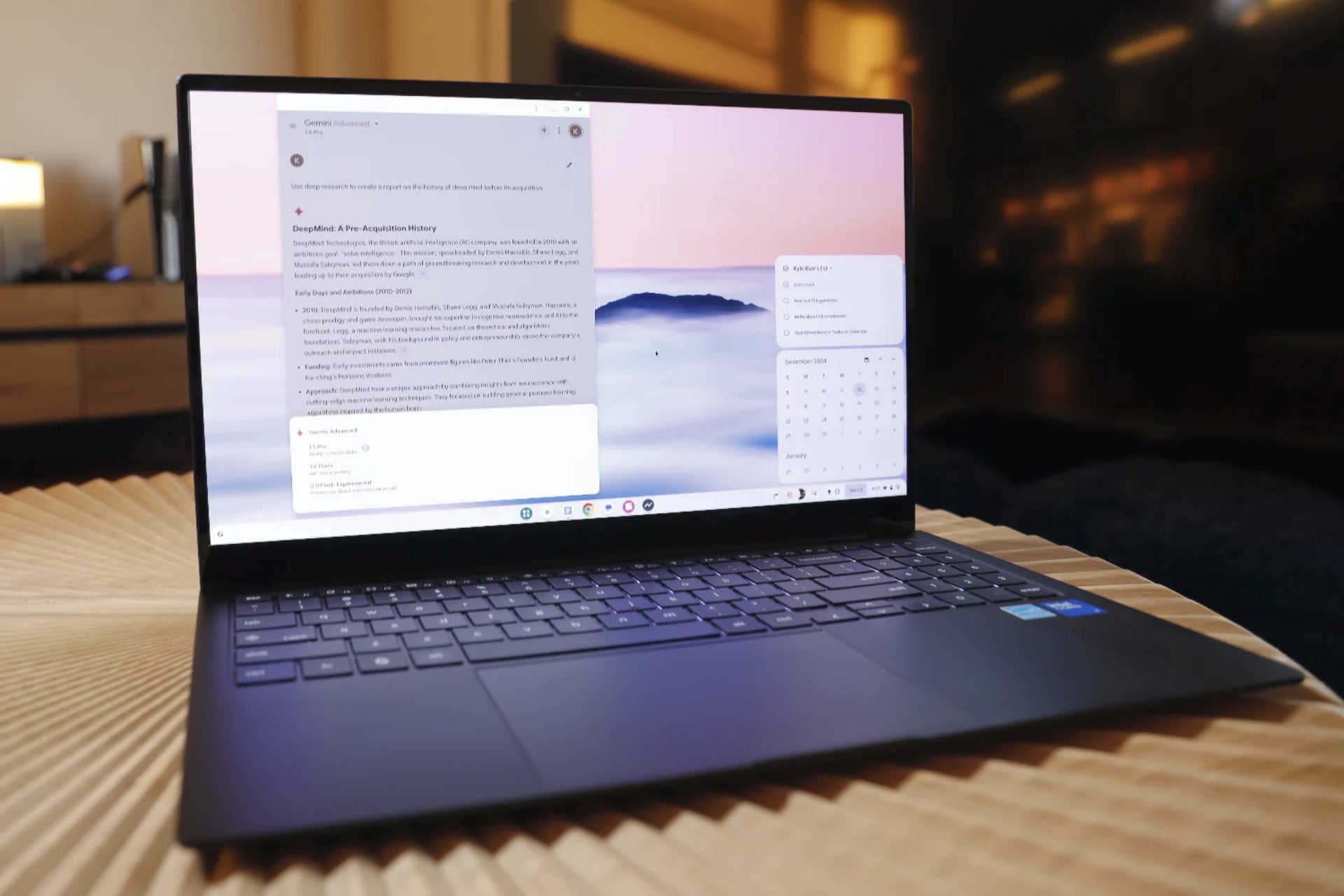
Ever since Android “daddy” Sameer Samat first mentioned the merging of Android and ChromeOS, we had imagined the new ecosystem would simply allow for more native Android apps to work on laptops. The mention of OneUI integration suggests much more than that. Aluminum OS may be just as customizable as Android. It could allow individual laptop makers to add their own spin on the look and feel of the operating system more than they can with baked-in Windows apps.
Timing is everything here. Apple’s MacBook Neo has completely upended the laptop market. The MacBook Neo uses a smartphone chip—namely, the A18 Pro—and offers a great chassis, screen, and trackpad for $600. PCs will need to depend on the new low-end Intel Wildcat Lake chip to keep prices down. Those low-end PCs will still need to add a surcharge for Windows 11 licenses. Current or future Chromebooks don’t have that problem.
Google’s Aluminum OS will need to shake off ChromeOS’ lingering perceptions as a pared-down operating system. To that end, Google will inevitably pile mountains of Gemini AI features into its new platform. Apple hasn’t promoted the MacBook Neo as an AI-centric device, and it seems to be selling incredibly well. During its latest earnings call with investors, Apple’s outgoing CEO Tim Cook claimed Kansas City’s public high schools were switching children from Chromebooks to the MacBook Neo.
“I am hearing anecdotally more and more of those stories, both at the school system level and at the individual consumer level,” Cook said during the call. “We could not be happier with how things are going at the moment.”