GPS and Location Tracking
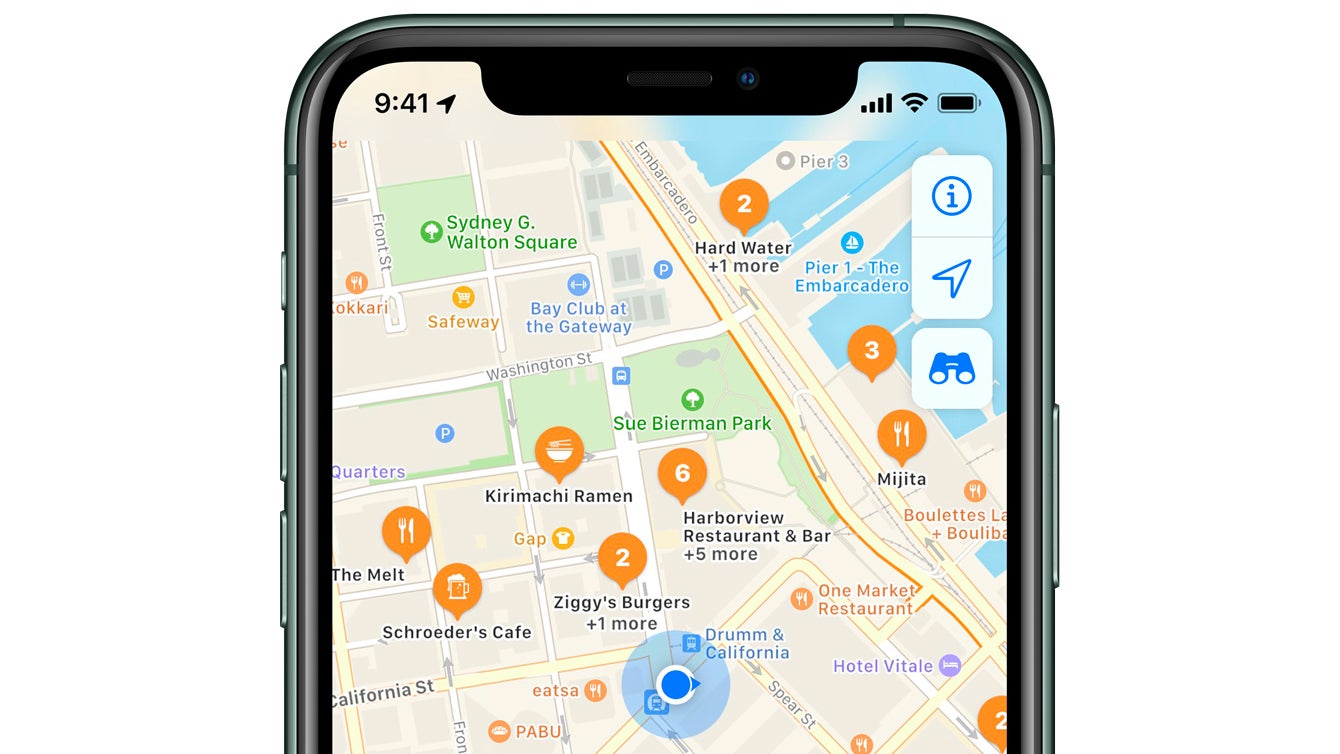
A useful tool for wilderness explorers for years, the popularity of GPS devices skyrocketed in the early aughts when companies started releasing touchscreen versions with full color screens and turn-by-turn directions designed for use in cars. But knowing exactly where you are at all times is now far more useful than just as a way to avoid getting lost on vacation.
GPS and other location tracking techniques now allows apps and websites to serve up unique content to each user, customized for their location on devices like smartphones, computers, and even wearables. It can make finding the closest restaurant or ATM a breeze, and makes it much easier to remember exactly where every single photo in your overflowing camera roll was snapped. It’s become the backbone of tracking devices like Apple’s AirTags making it easy to find where you left your keys, or the location of a stolen car, and it’s a critical part of autonomous vehicles that seem closer than ever at this point.
It’s also ripe for abuse, as anyone who’s ever tried to access region-locked content has discovered. Companies and websites not only use your location to serve up ads with the most relevant content and impact on a device, they can also track your movements through a store or across a city using your smartphone’s various wireless connections, and as useful as those AirTags are for finding missing items, they remain a concerning tool for stalking.