Biometrics
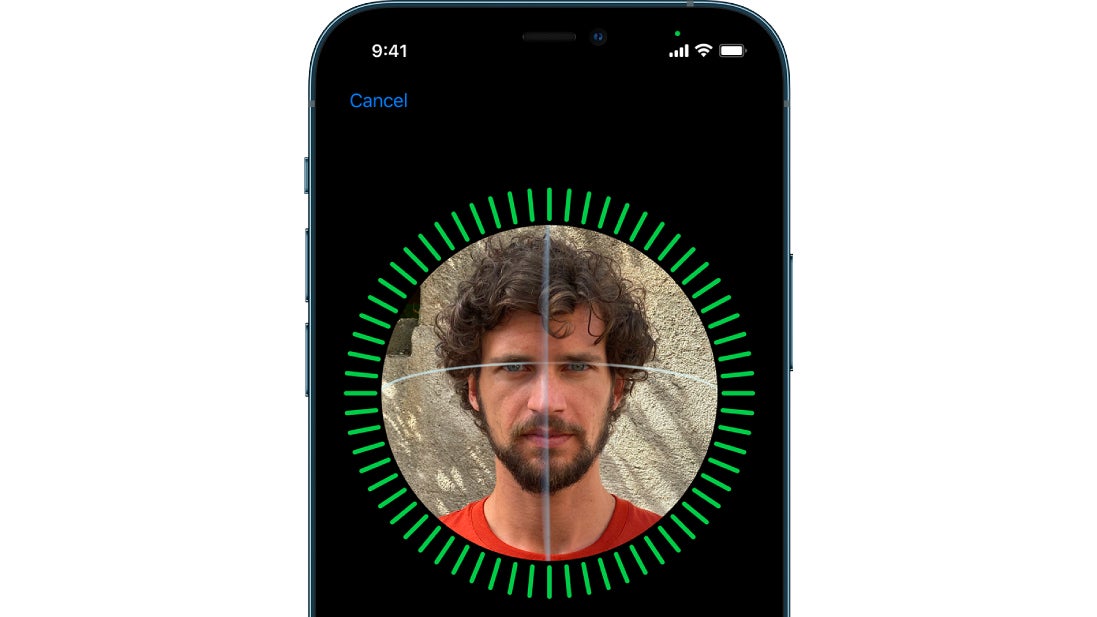
Biometric security has long been a staple of science fiction and Hollywood, and we all kind of assumed that one day, if granted access to a high-security vault or secret research facility, a retina scan would be the only way to confirm our identities and get inside. In 2002, biometric scanners were niche devices for consumers, allowing devices like laptops (IBM was the first to add an integrated fingerprint reader to a laptop in 2004) to be secured and made easily accessible with a fingerprint swipe from the right person.
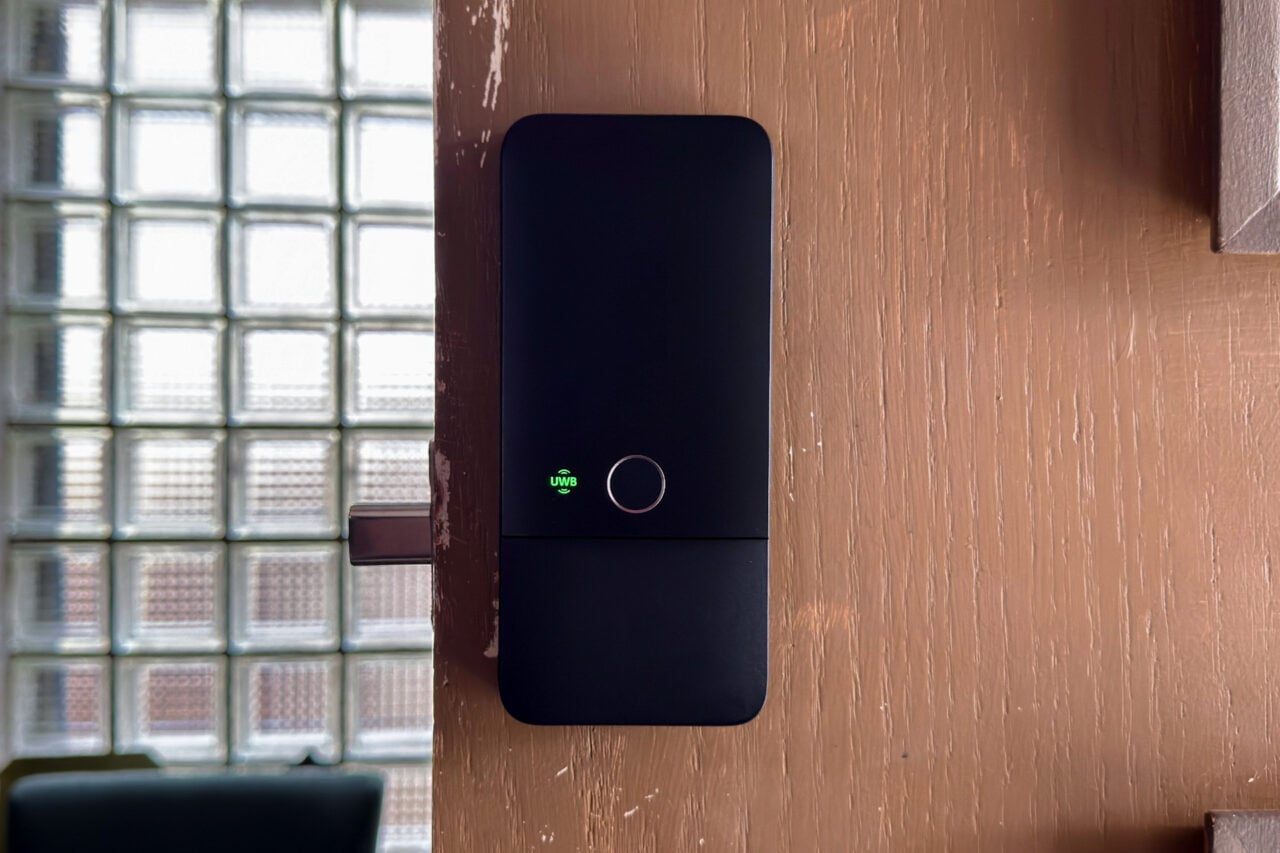
On many of our devices, biometrics are now a welcome alternative to remembering passwords and passcodes, unlocking a smartphone or completing a purchase on a computer with an effortless finger press or quick glance at a camera. But the biggest impact of biometrics today extends far past our personal devices.
Step into an airport or wander around some public places and there’s a good chance your presence is being monitored by cameras attempting to match your face to a database. Airlines like Delta now make it easy to breeze through check-ins and find your gate with a quick face scan, while many countries now require some form of biometric to pass through customs services during travel. Biometrics have become a critical part of policing and other government agencies that promise safety and security, but it’s one of those technologies that many privacy watchdogs probably wish hadn’t become so critical and widespread over the past 20 years.