Cockroaches
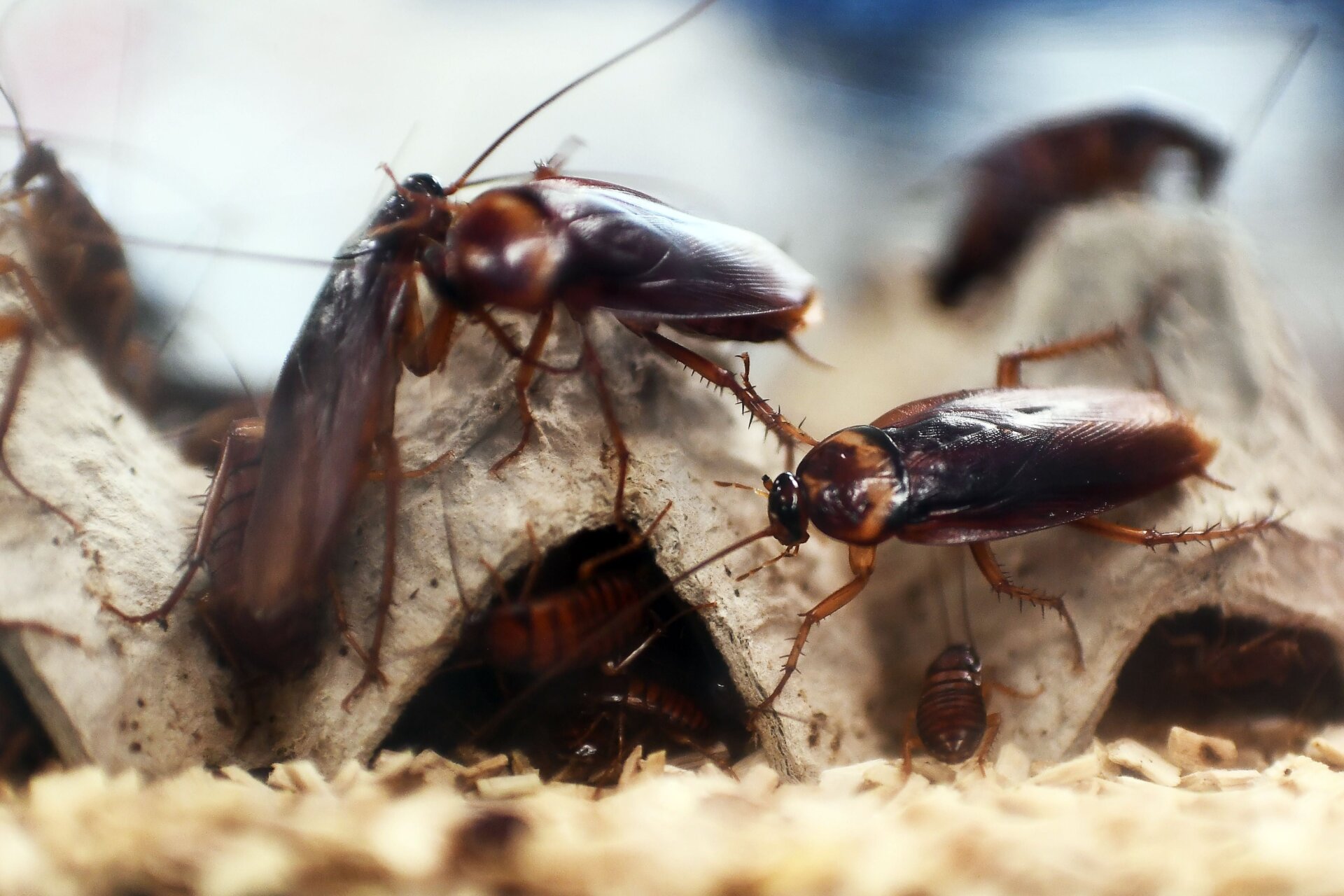
This one’s a classic, though cockroaches aren’t as quite durable as pop culture might lead you to believe. The 1960s really were the heyday of entomologists blasting their study subjects with radiation—in 1963, a bunch of German cockroaches were hit with ionizing radiation in a lab setting. Between 64 and 94 Grays (a unit for measuring radiation doses) was all it took for the six-legged speed demons to keel over and quit their mortal coils. By comparison, 8 Grays is enough to kill a human, according to an International Atomic Energy Agency report.
It’s not like all insects are extremophiles. Low numbers of butterflies and spiders have been reported at Chernobyl since the 1986 disaster. General consensus is that insects tend to fare better than mammals under radiation stress because of DNA repair mechanisms. Cockroaches would outlast us in a fallout situation, sure, but they’re hardly indestructible.