The Mysteries That Remain
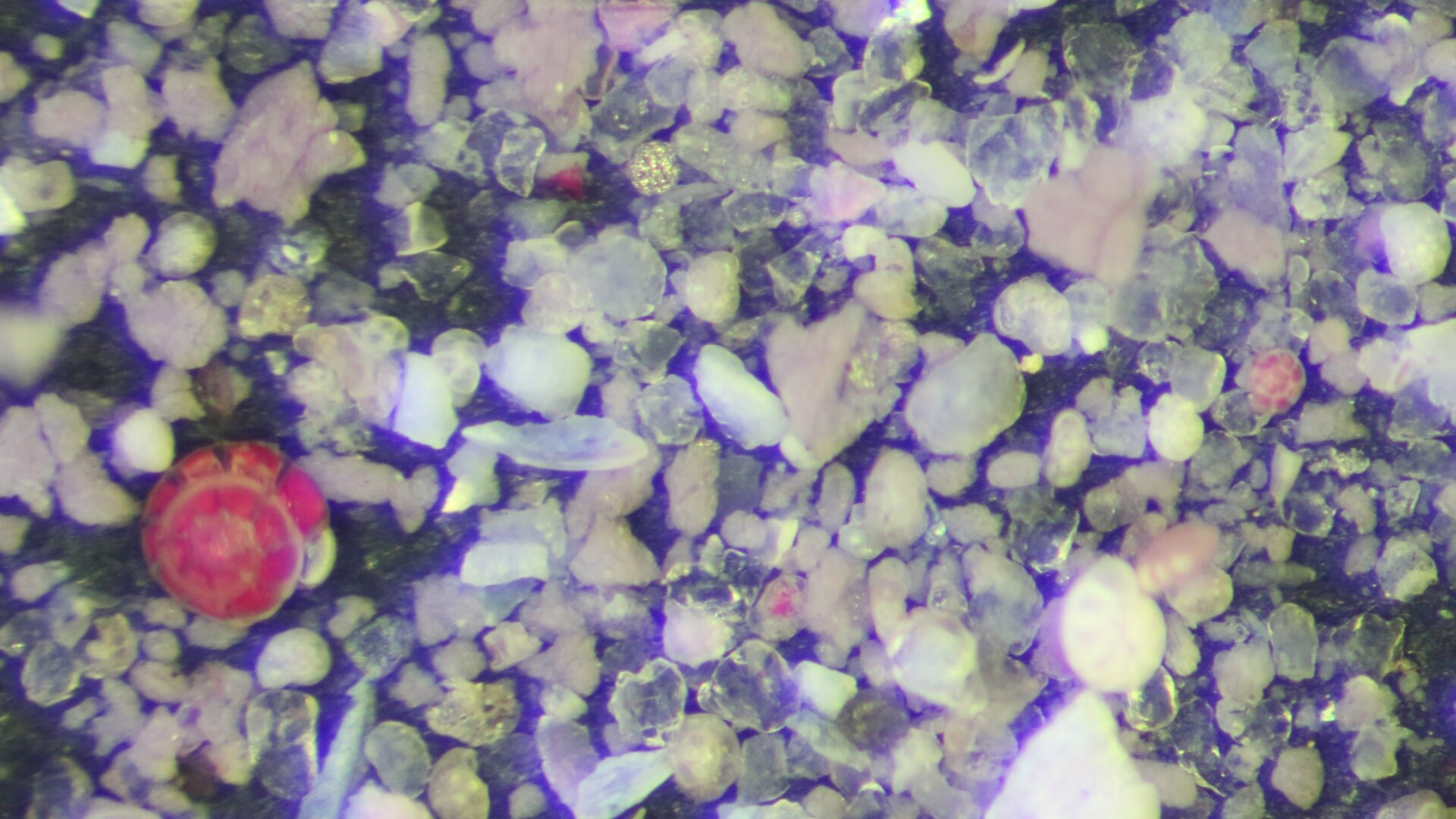
If you all made it this far, bless you, you were just as captivated by these little geochemists as I was! While you may feel like you have more knowledge about forams than you know what to do with, scientists still have many questions that they want to answer.
Hönisch said that one of the most mysterious things about planktic forams is that scientists can’t reproduce them in a lab. This stands out considering the large number of animals on the planet that we can reproduce in a lab, Hönisch said, but when it comes to something as simple as this unicellular organism, “we have no idea how to reproduce it.” Nonetheless, Hönisch said that this makes studying forams fun, because it means scientists like her have to go out and do field work.
For Lam, there are still several unanswered questions regarding forams’ fossil record. Scientists still don’t have exact dates for when a certain foram species went extinct and another species evolved, for instance. They are also still unsure about which species of forams evolved from another. When it comes to where certain species of forams lived, there are also mysteries, such as whether some species changed where in the water column they lived on million-year timescales, Lam said.
“These unanswered questions seem daunting to tackle, but honestly, it’s quite exciting to know that there is so much more to learn about foraminifera!” Lam said. “I can’t wait to see what new research is published in the coming decades, and what fun new things we learn about these amazing protists.”
We can’t wait, either. Long live forams.