Though they’re not everyone’s cup of tea, video games can be some of the most fun you can have on a lazy day. The inherent bliss that comes with playing a video game just might help doctors tell whether someone has clinical depression, new research shows.
Scientists at New York University developed a three-minute-long game designed to identify a key aspect of depression. People with major depression consistently played the game differently from healthy control subjects, they found. The researchers are already seeking to have their game cleared as a diagnostic tool by the Food and Drug Administration.
“We ultimately see this as something that could be used as a thermometer or blood pressure cuff for depression,” senior study author Paul Glimcher, director of the Institute for Translational Neuroscience at NYU’s Grossman School of Medicine, told Gizmodo.
The loss of joy
About 70% of clinically depressed people will experience anhedonia, according to the study researchers—an inability to experience much pleasure or joy from normally rewarding things, like food, hobbies, or social interactions. This loss of joy, the researchers say, is linked to something known as a reference point, the unconscious benchmark of expectations that people compare life events to.
If someone wasn’t expecting to get a sweet treat on a certain day, for instance, but a friend surprised them with a free ice cream for lunch, that surprise could spark pleasure. This surprise might briefly set a new expectation (ice cream for lunch two days in a row?), but eventually falls back down, allowing people to experience joy from the next unexpected happy experience. For depressed people, however, that reference point can increase and then get stuck, such that normally positive new experiences fail to boost their mood. The researchers’ game is intended to pick up on this lack of response to novel things.
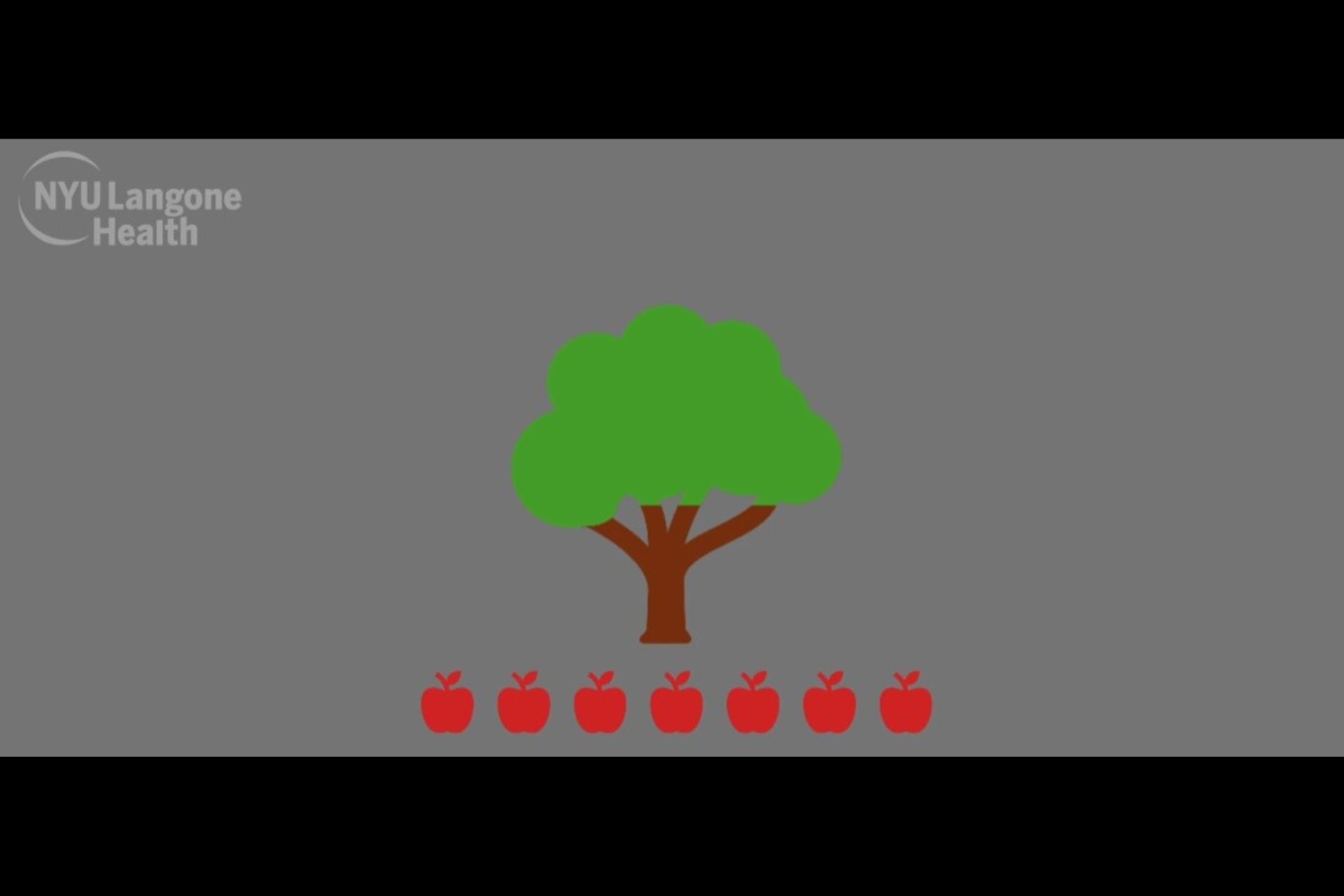
It involves a simple task where people are asked to collect as many apples as they can that are falling from trees. At first, nine apples will fall from a tree, but the more people harvest from it, the fewer apples it gives back with each round. So people eventually have to move on to a new tree to get lots of apples again and secure a high score on the game.
The researchers recruited 120 volunteers to play their game, 70 healthy controls and 50 people with major depression. On average, people without depression switched to a new tree once their current tree dwindled down to around four or five apples per round, the researchers found, while those with depression switched at an earlier point, as high as only eight apples. These results not only correlated well with people’s depression status but also with the severity of their illness, meaning people with worse depression switched even faster than those with milder symptoms.
“After further testing for clinical validity, this rapid assay may serve as a potential tool for assessing and monitoring depression,” they wrote in their paper, published Wednesday in the journal PNAS.
In a second experiment, the researchers asked people to bid on how much they would pay for potential snacks, including ones they personally said were some of their favorites. As expected, based on past studies, people without depression tended to bid less money temporarily for random snacks right after they were shown their favorite snack (the new reference point), but they eventually returned to the bids they originally made. Those with depression, however, continued to bid less money, further illustrating how their expectations can become distorted, the researchers say.
What comes next
More than just diagnosis, the researchers hope their game can make tracking a person’s depression symptoms all the easier, especially in response to potential treatments. Instead of needing someone to visit their doctor in person for a short five-minute session every few months, for instance, they might have to just play a quick game on their smartphone.
“The idea is that we could send you home with a quote, unquote ‘prescription’ for this test. And then you would take it once a week and we’d know whether or not a drug or therapy was helping you in two weeks or three weeks,” Glimcher explained. “We think that that would be really transformative too.”
Because not every depressed person will experience anhedonia, or to the same degree, it’s also possible the team’s research could help clinicians more accurately distinguish between the different types of depression and better tailor treatments to that specific type, according to lead author Aadith Vittala, an MD/Ph.D. student in Glimcher’s lab.
The team is next planning to secure FDA clearance for their game as a Class II medical device.