President Trump says you can trust him to keep AI labs in check. Why? Because he claims his administration once threatened to throw the leader of a major AI company in jail.
“We had a situation where somebody was reported to us to be doing something bad with AI,” Trump said in an interview with CBS’ 60 Minutes. “We said, ‘Do you like the color orange? Go home right now, see your wife and children, give them a kiss good night, because tomorrow morning you are going to jail.”
Trump did not say which executive received the threat, but he said they were the leader of “one of the big” AI companies. Given that he mentioned a wife and kids, one could reason that means it wasn’t OpenAI CEO Sam Altman, who is married to Oliver Mulherin, or Anthropic CEO Dario Amodei, who doesn’t have children. Trump clarified that he doesn’t think the CEO acted “maliciously,” and upon receiving the threat, the executive “totally changed everything,” Trump said.
It’s worth noting that Trump has made similar claims before, and he has specifically singled out Anthropic CEO Dario Amodei. In a Truth Social post on September 14, Trump claimed his administration had stopped “AI ‘people’ from doing bad, or potentially bad, ‘things,’ like Dario (Anthropic!), who is now pretending to be a ‘perfect little angel’.” Trump also boasted that “the only control or “guardrails” that AI needs is a STRONG AND SMART (High IQ!) PRESIDENT.” It’s unclear whether Trump was referring to the same incident he described on 60 Minutes.
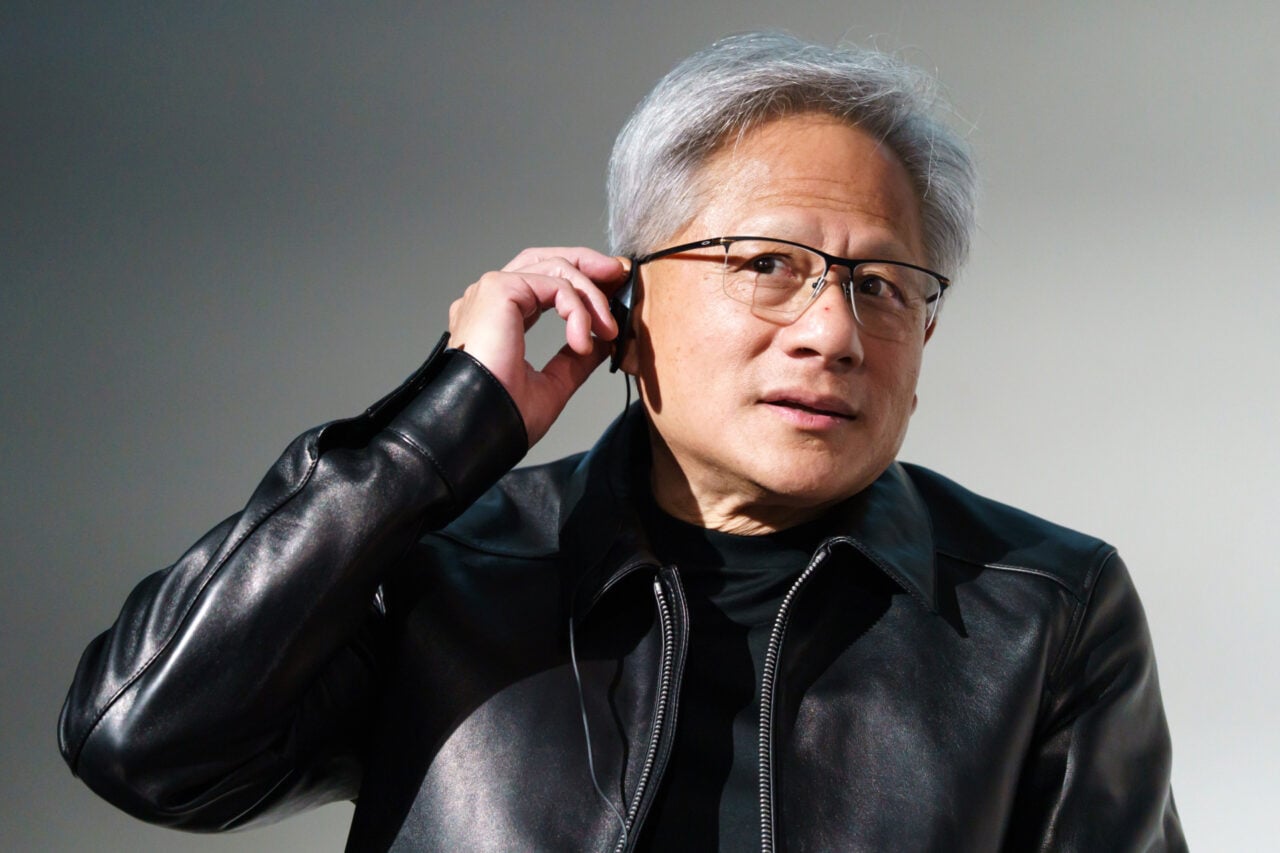
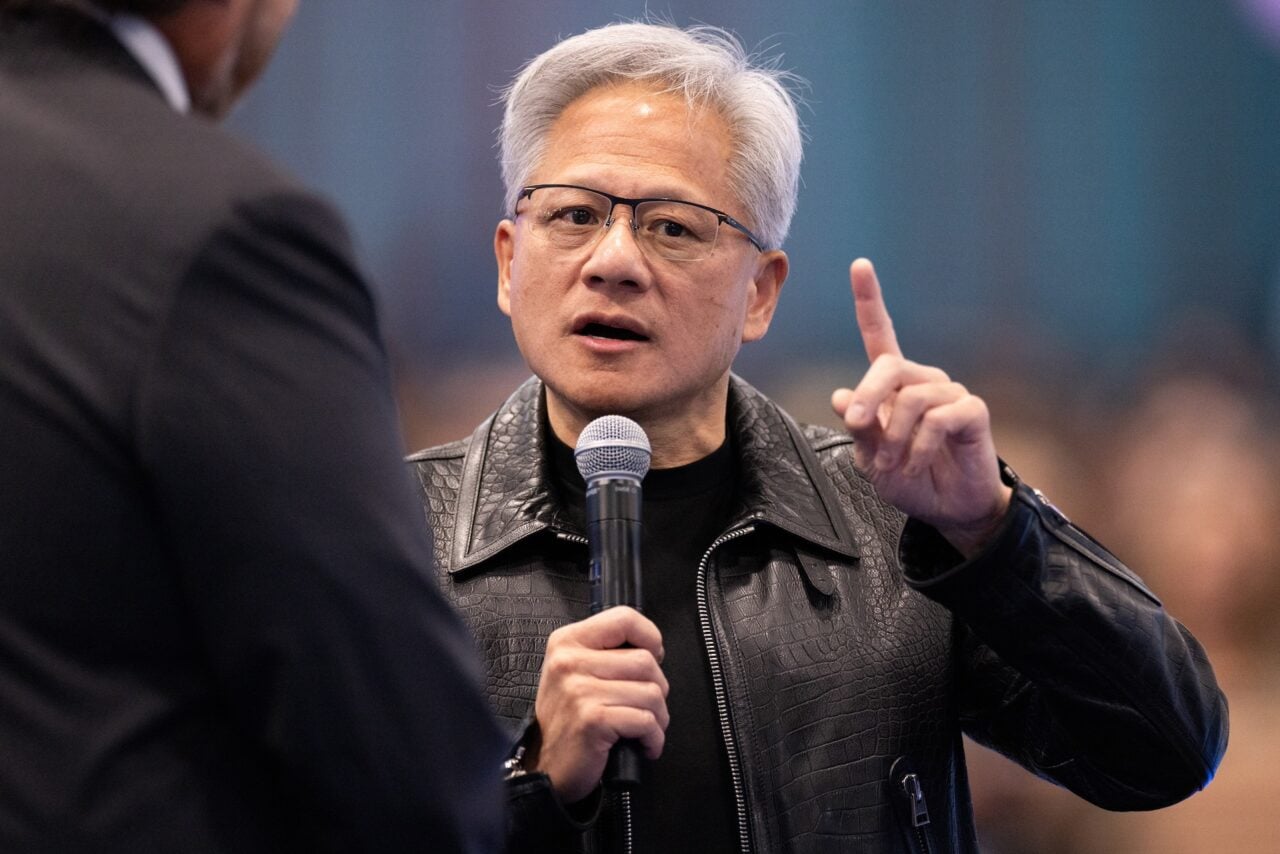
His comments were broadcast in the middle of a very tense day for AI and its national security implications. On Sunday, Nvidia CEO Jensen Huang admitted that he had an affair with an executive that the United States is now accusing of espionage on behalf of the Chinese government. The woman was allegedly recruited to gather information about Nvidia’s most advanced hardware and potentially persuade Huang to lobby for loosening restrictions on chip sales to China. China has denied the espionage allegations.
Reporters asked Trump about the allegations on Sunday night, and he said he hasn’t spoken to Huang about it but hopes the executive will remain Nvidia’s CEO.
“I just know he’s a fine person, but you never know what is going on,” Trump told reporters, adding that he would still be open to bringing Huang along with him on his trip to the Philippines and China later this month.
On 60 Minutes, Trump recounted the story as an example of how government agencies can be trusted to deal with AI safety risks, which he claims are blown out of proportion.
AI safety became a hot-button issue in September after Anthropic researcher Evan Hubinger claimed that employees at the company “earnestly” believed that AI could kill all humanity within the next decade. Hubinger, who personally estimated the risk at greater than 10%, made the comment in response to another Anthropic researcher’s resignation. Shortly after his comments sparked outrage and panic online, Anthropic CEO Dario Amodei published an essay warning that the current pace of AI development was unsafe and urging the industry to slow down while governments helped establish stronger safeguards.
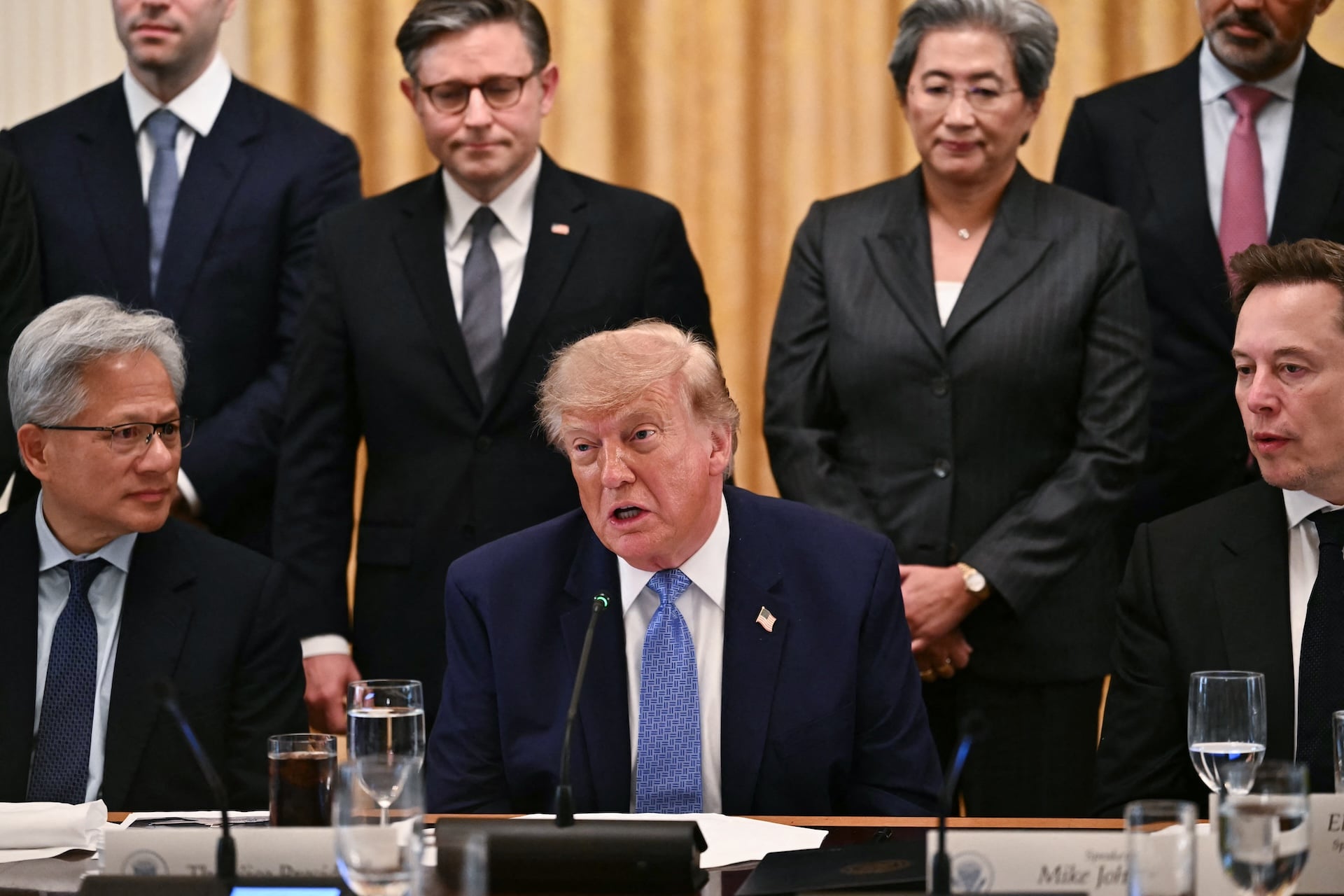
At the time, Trump disregarded the concerns over AI development and calls for a slowdown as a hoax, but he did invite the executives from major AI companies, including OpenAI, Nvidia, Anthropic, xAI, and Google, to the White House to sign a voluntary AI safety standards agreement. The agreement was not a legal document, but Trump described it as “morally binding.”
But the Trump administration might be pushed to take the issue more seriously, especially after opposition to AI data centers became a significant issue in the midterm elections that ushered in major upsets for the Republican Party. Last week, voters delivered an overwhelming rejection of new data-center development in dozens of local ballot measures, passing restrictions on projects across the country and electing candidates, mostly Democrats, who promised to keep a tighter leash on the industry’s expansion than their Republican counterparts.

Trump, who categorizes himself as an “AI bull,” said that he would be willing to work with the Democrats, who will soon regain the majority in Congress, on the issue of AI safety, but he doesn’t believe in instituting strict safety guardrails.
“I don’t mind guardrails, but I don’t want to put us in a deep second position,” Trump said, referring to AI competition with China. “I think the risk is not nearly as real as they talked, and I think the risk can be managed.”