SpaceX Starship
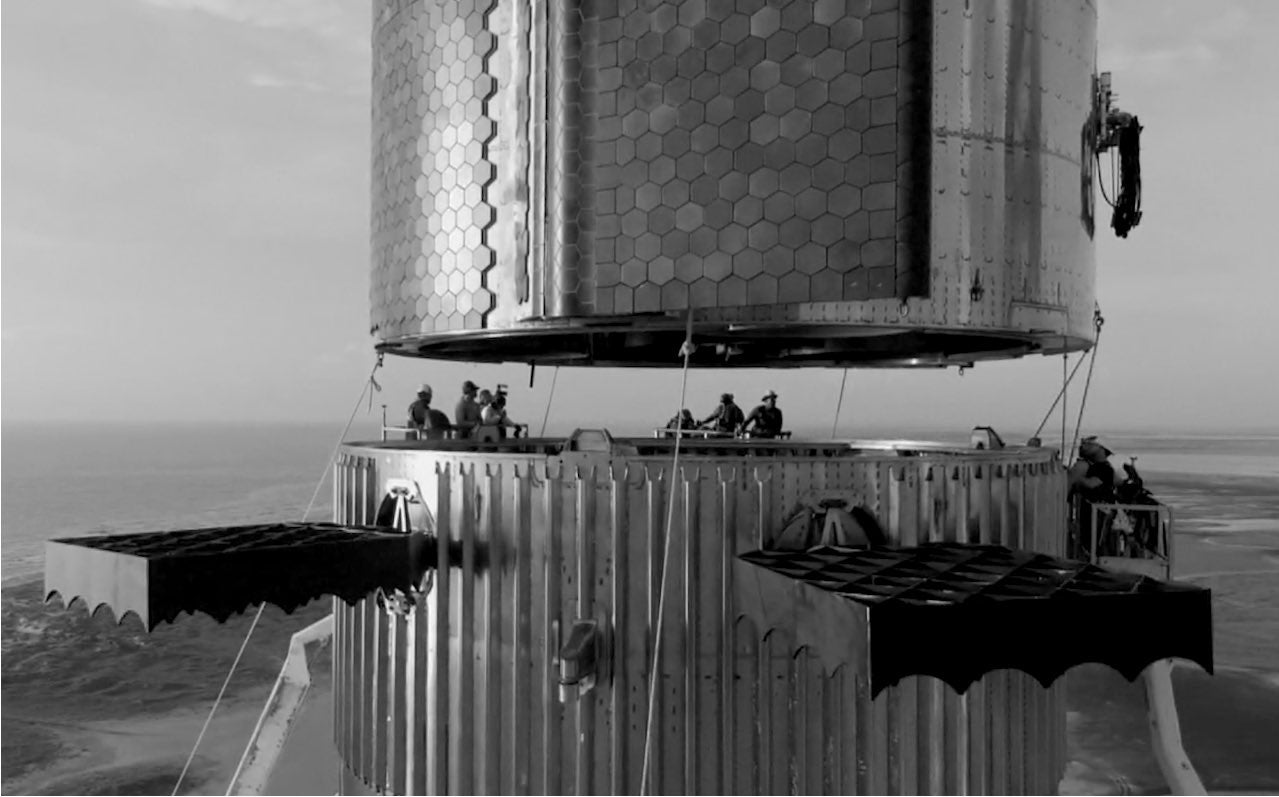
NASA’s SLS is huge, but SpaceX’s upcoming Starship is even bigger. Elon Musk, the company’s founder and CEO, says the fully stacked version of the rocket, consisting of a Starship upper stage and Super Heavy booster stage, could launch as early as July, though certain regulatory hurdles still need to be met. SpaceX says Starship represents “a fully reusable transportation system designed to carry both crew and cargo to Earth orbit, the Moon, Mars and beyond,” and that it will be the “world’s most powerful launch vehicle ever developed, with the ability to carry in excess of 100 metric tonnes to [low] Earth orbit.” The fully stacked Starship stands 394 feet high (120 meters), making it the tallest rocket in history.
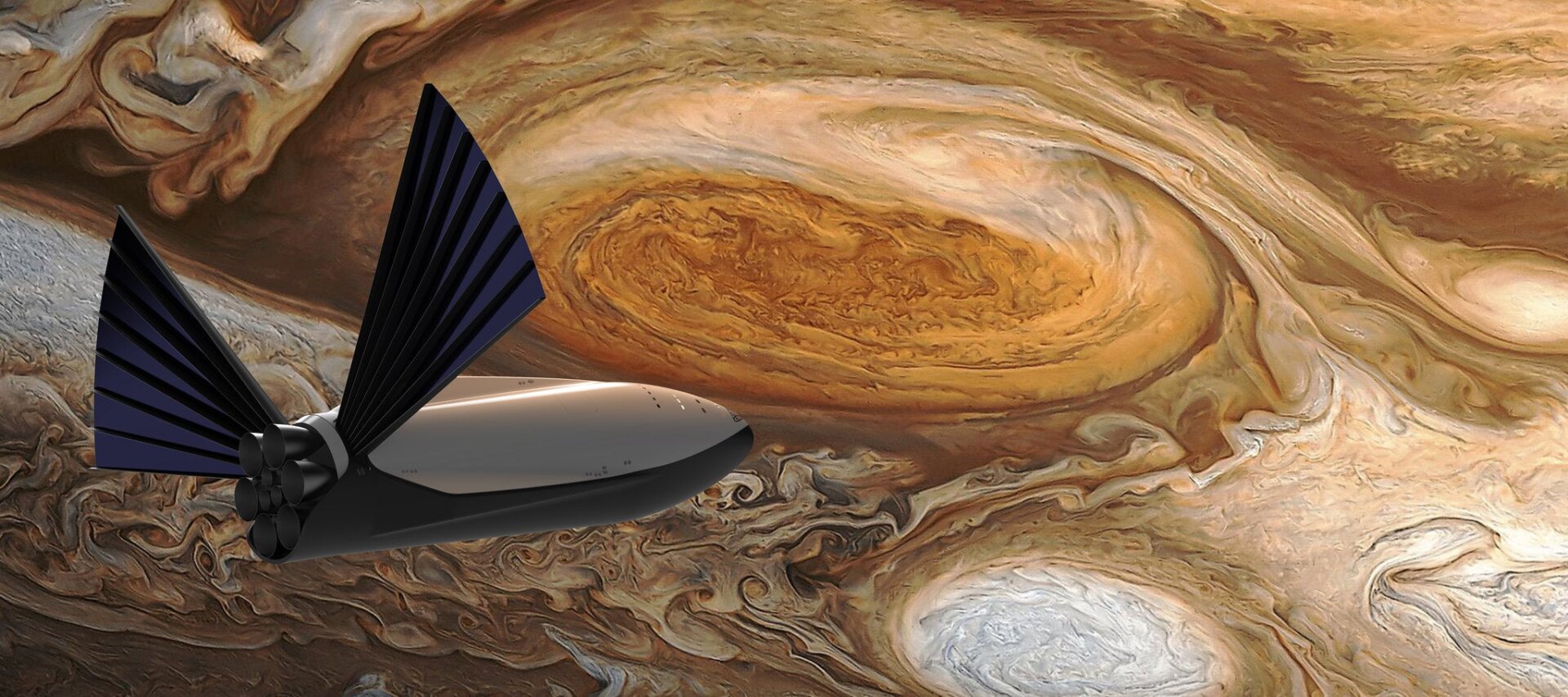
The upper stage is capable of making vertical landings on its own, but the booster, powered by 33 Raptor engines, will require a pair of arms, known as chopsticks, to assist with the landing at the launch tower. SpaceX is currently under contract with NASA to develop Starship as a human landing system for the upcoming Artemis lunar program. Looking even further ahead, Musk envisions Starship as the chosen vehicle for transporting thousands of colonists to Mars by mid-century, as unlikely as that sounds.