Valley Fever
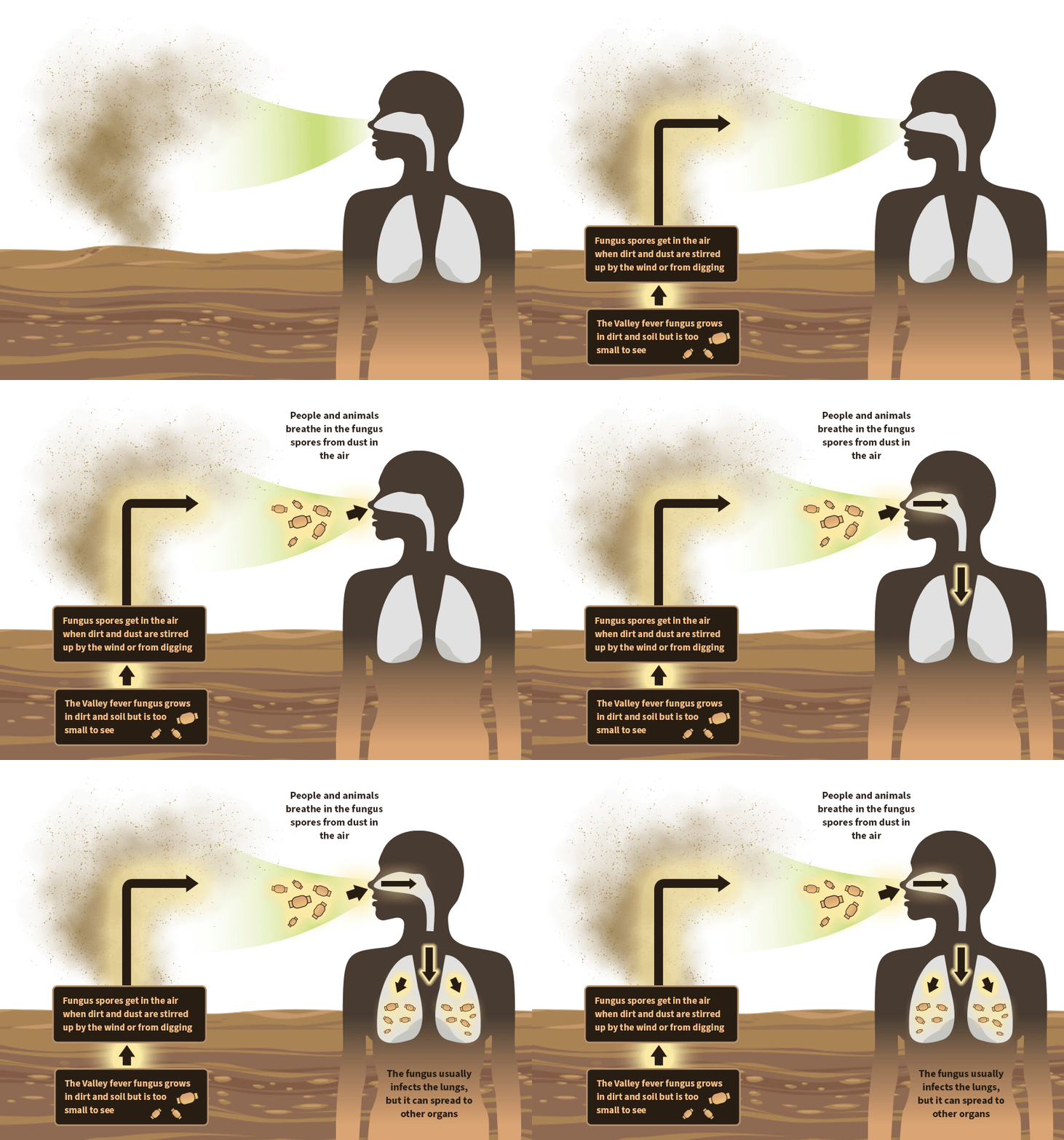
Climate change is aiding the spread of multiple diseases. This includes well-known and widespread terrors like Lyme disease and malaria. One of the more regionally specific illnesses, though, is Valley fever, or coccidiodomycosis (Cocci for short).
Valley fever is a potentially deadly fungal infection contracted by inhaling spores from soil and dirt. Currently in the U.S., the disease is found in parts of California and the Southwest. The fungus thrives in warm, wet conditions. But the spores are believed to be most easily spread around via dust, when the ground is dry. The most dangerous combination for Cocci are wet conditions followed by drought.
The present drought has put some experts on alert. Valley fever cases have risen in recent years. The number of diagnoses climbed about 800%, according to one study, between 2000 and 2018—one of California’s driest periods on record. The exact cause of the rise isn’t known, but there are lots of overlapping hypotheses. For instance, increasing development and construction put people in direct contact with soil, and there’s more diagnostic awareness of the illness.
Climate change and drought are also thought to play a role. Wildfires put more people, particularly firefighters, at risk. Plus, researchers are warning that the disease could become more prevalent over a wider range in a warmer, drier world coupled with erratic and more extreme rainfall events.