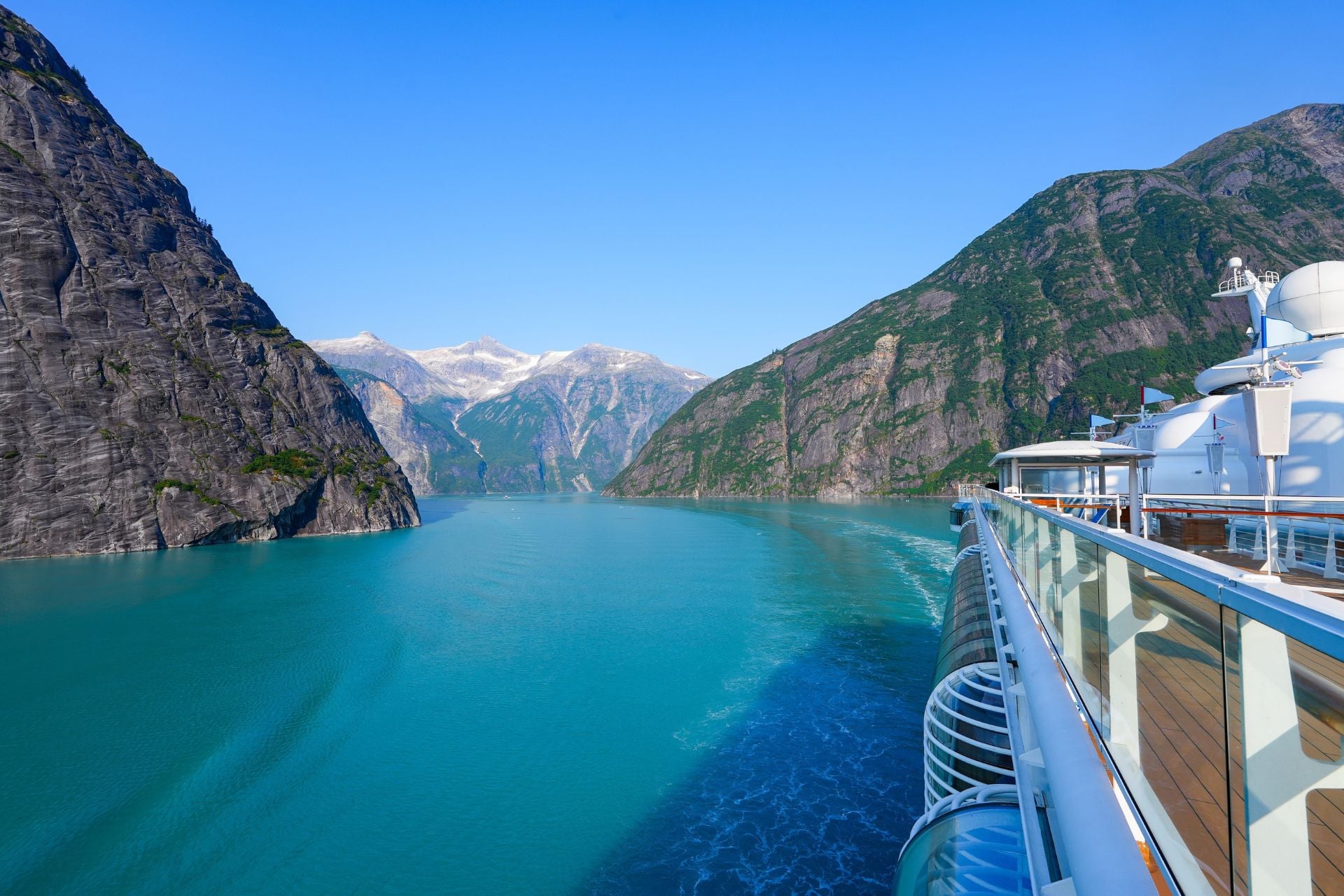
On the morning of August 10, 2025, a massive landslide struck Alaska’s Tracy Arm fjord, a popular destination for many cruise lines. The landslide triggered a 1,578-foot-tall (481-meter-tall) mega-tsunami that would have devastated any passing ships. Fortunately, none were present at that early hour, but future vessels may not be so lucky.
A study published in Science today found that climate change is making fjord regions increasingly dangerous to ship traffic. The findings show that glacial retreat preconditioned the landslide and resulting tsunami on August 10, and as global temperatures continue to rise, such events will only become more common.
“With fjord regions increasingly visited by cruise ships, and climate change making similar events more likely, this unanticipated, near-miss event highlights the growing risk from landslides and tsunamis in coastal environments,” the authors write.
Mounting instability
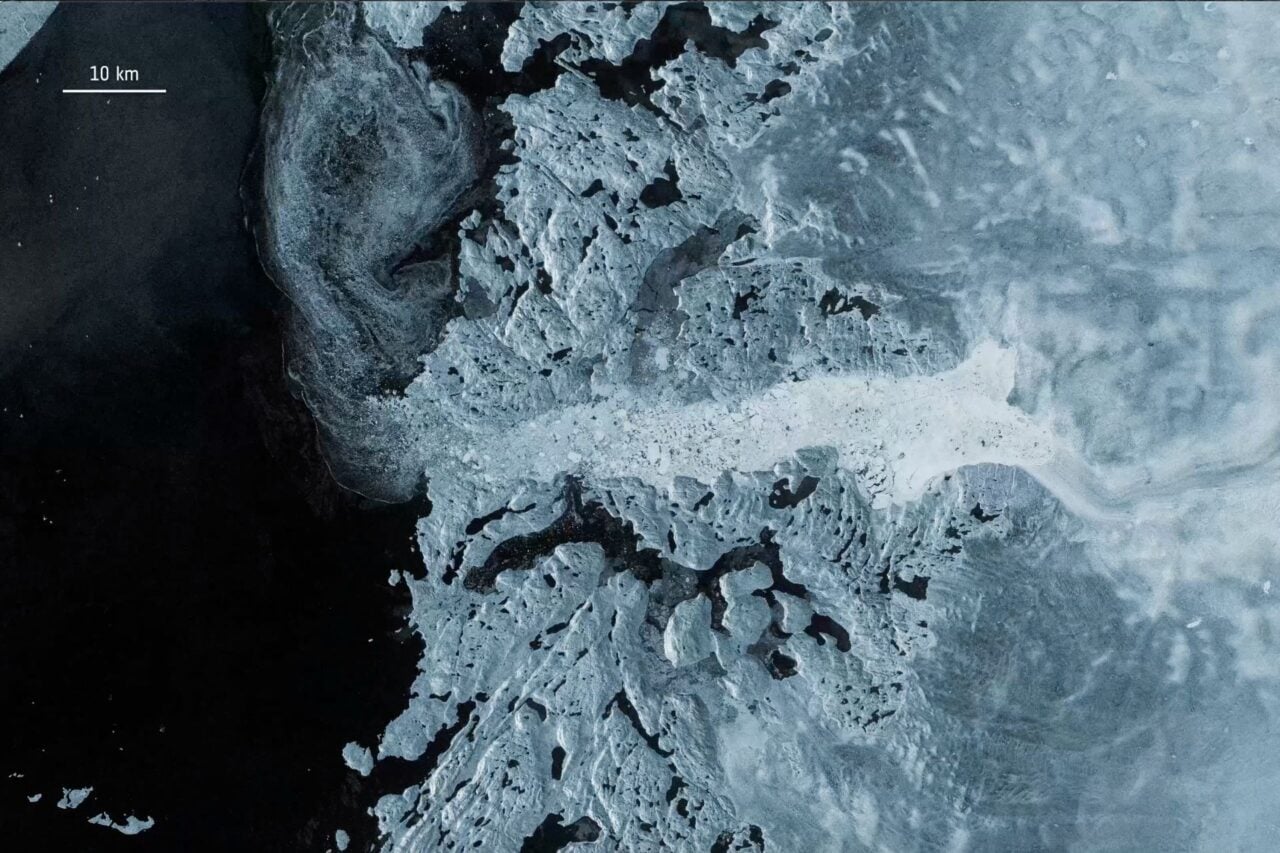
Tracy Arm is a 30-mile-long (50-kilometer-long) fjord located about 50 miles (80 km) southeast of Juneau, Alaska. It’s terminated by two tidewater glaciers: Sawyer Glacier and South Sawyer Glacier. At the Last Glacial Maximum roughly 20,000 years ago, Tracy Arm was fully occupied by glacial ice, but researchers have documented high rates of thinning across the Stikine and Juneau ice fields in recent decades, with significant retreat on their outlet glaciers.
Between 2000 and 2019, researchers reported average thinning rates of roughly 3 feet (1 meter) of water equivalent per year in the vicinity of South Sawyer Glacier, though rates on the lower portion of the glacier itself were an order of magnitude higher. The August 10 landslide occurred at the South Sawyer Glacier’s terminus, also known as the “snout” or “toe.”
To figure out exactly what happened, researchers led by Dan Shugar, a geomorphologist and associate professor at the University of Calgary, reconstructed the landslide and associated tsunami using satellite imagery, seismic data, eyewitness accounts, and numerical modeling. They found that the glacier’s terminus experienced several hundred feet of ice retreat in the spring and summer of 2025, exposing and destabilizing the fjord wall. This established a direct link between the effects of climate change and this landslide-generated tsunami.
A close call
Though no boats were passing through the fjord at the time, several eyewitnesses observed the resulting tsunami. The cruise ship National Geographic Venture, carrying roughly 150 people, was anchored near the mouth of Tracy Arm at the time. The ship’s captain later described currents and white water near the edges of the fjord but no obvious wave. Just the day before, two cruise ships carrying thousands of passengers had visited the area, and another was set to arrive the next day, according to The Guardian.
During the summer, more than 20 boats pass through Tracy Arm and the adjacent Endicott Arm fjord per day, including up to six large cruise vessels each carrying as many as 6,000 people, the study states. Since the August 10 event, at least five cruise lines have pulled Tracy Arm from their Alaska itineraries due to concerns about the fjord’s instability.
The findings underscore the growing hazards along the coastlines of Earth’s rapidly warming polar and subpolar regions. If people are to keep visiting these places safely, there is an urgent need to monitor unstable slopes, model realistic tsunami scenarios, and put protective measures in place for local communities, visitors, and critical infrastructure. But as global warming continues unabated, these pristine fjords will become increasingly dangerous.