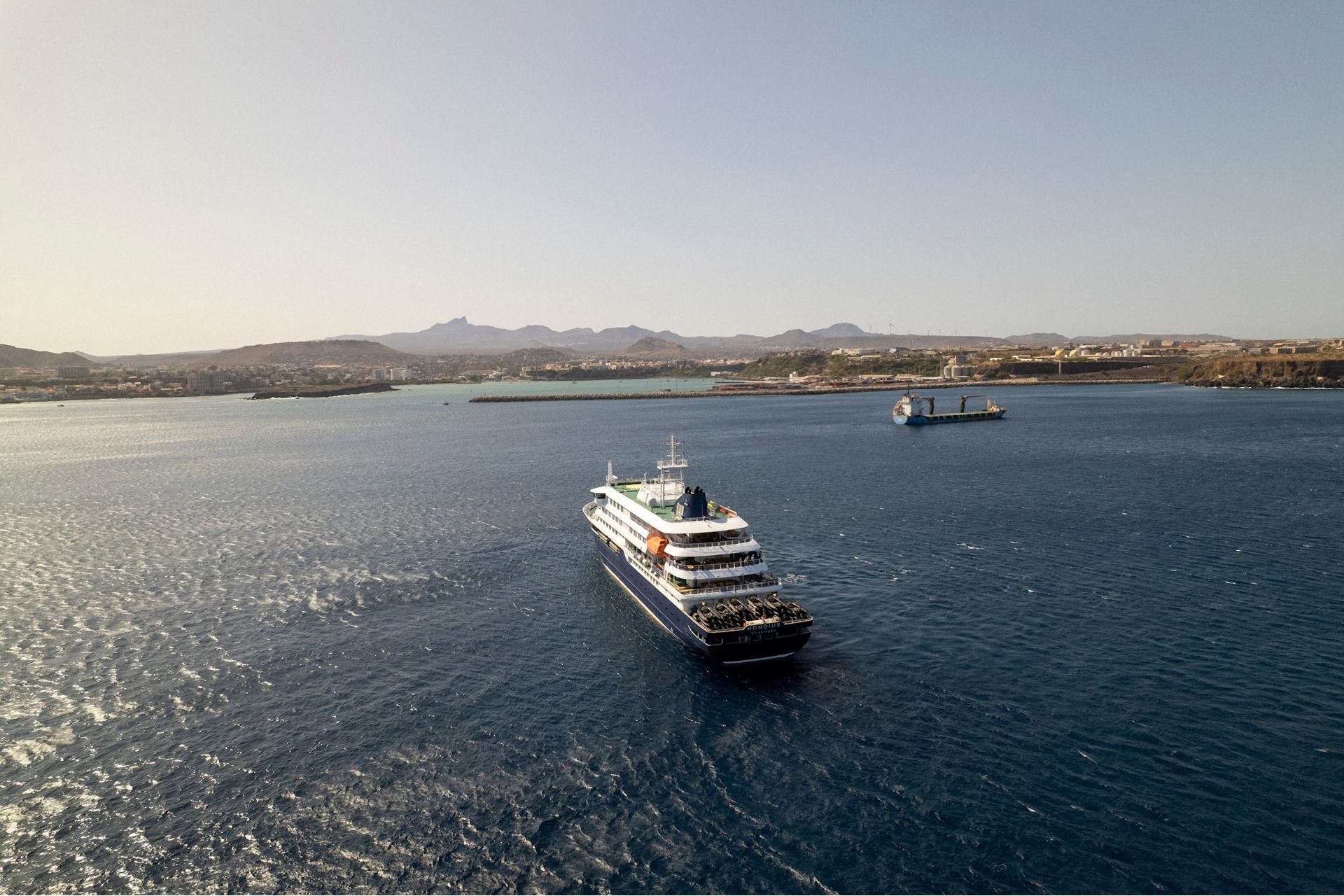
The hantavirus outbreak aboard the MV Hondius has become one of the most widely watched events so far this year, and for good reason. That said, the more we learn about this outbreak and the virus behind it, the less worried I’ve become.
As of Friday morning, there have been eight suspected or confirmed cases of hantavirus linked to the cruise ship, along with three linked deaths. And though there is a real chance that further cases could happen, there’s also growing evidence we’re not dealing with something unprecedented. So while it’s still important to ensure the safety of the Hondius passengers and others who came into contact with them, I agree with the World Health Organization’s assessment that this outbreak poses a low risk to everyone else. Let me explain why.
A known culprit
The first case of the outbreak, a male Dutch resident, fell ill on April 6, dying four days later. His close contact, a Dutch woman, began feeling sick roughly two weeks later. She left the cruise on April 24, arriving on the island of Saint Helena in the South Atlantic Ocean. She died two days later, but not before boarding a flight to Johannesburg, South Africa, and attempting to take another flight to the Netherlands (staff on the second flight asked her to leave; she then collapsed at the airport).
The WHO first notified the public about the outbreak last weekend, and health officials in numerous countries have been working to understand and contain the spread of the disease if needed. On Wednesday, South African officials confirmed the culprit: the Andes variant of the virus.
Hantaviruses typically spread through contact with infected rodents or their droppings. But the Andes virus is the only species of hantavirus currently thought capable of spreading through close contact between people. So this outbreak isn’t being caused by a previously undiscovered hantavirus.
Yesterday, scientists also revealed the genetic structure of the outbreak strain, finding that it was very similar to current strains of Andes found in South America. This discovery is especially important, since it likely means the virus hasn’t evolved to become more virulent or to transmit more easily from person-to-person.
There have been previous outbreaks of Andes linked to so-called “super-spreaders.” These outbreaks seem to require specific circumstances, though, such as infected cases with high viral loads and/or crowded environments where people are tightly confined with those infected. A cruise ship on a month-long voyage, such as the Hondius was, seems to fit that criteria.
In other words, as strange as this outbreak is, everything we’ve seen so far is within the known parameters of this virus. And while Andes does routinely cause human illness and deaths in the areas where it’s endemic, these clusters tend to flame out quickly. Most cases of Andes are also still linked to rodent, not human, exposure.
Still important to track
None of this is to say that we shouldn’t care about this outbreak.
Following the medical evacuation of three people suspected to have the illness, there are still over 100 passengers and crew aboard the Hondius. The ship is expected to dock over the weekend in the Canary Islands, despite ongoing protest from the local government.
There is still the chance that people outside the ship could have been infected by the Dutch woman, particularly the people who shared her flights. Dozens of people also departed the cruise and arrived on Saint Helena at the same time as the Dutch woman, leaving open the possibility of further transmission.
There is some good news there at least. A Dutch flight attendant who showed possible signs of infection is now confirmed to have tested negative. But there are other people who were on these flights who are still being monitored and awaiting their test results. And other important questions yet remain, such as where the original source of the outbreak began (one theory is that the man caught it during a birdwatching trip in Argentina).
This situation also starkly illustrates the reality that zoonotic diseases (i.e., diseases that spread from animals to humans) like hantavirus are a constant risk to human health, one that we have to stay on top of and track as much as possible. And while it might not be this virus on this cruise ship, there undoubtedly will be a next big epidemic or even pandemic in the future, likely within many of our lifetimes. Unfortunately, right now, the U.S. is barely doing anything to keep an eye on these future threats, which includes working closely with the countries and health organizations that are.