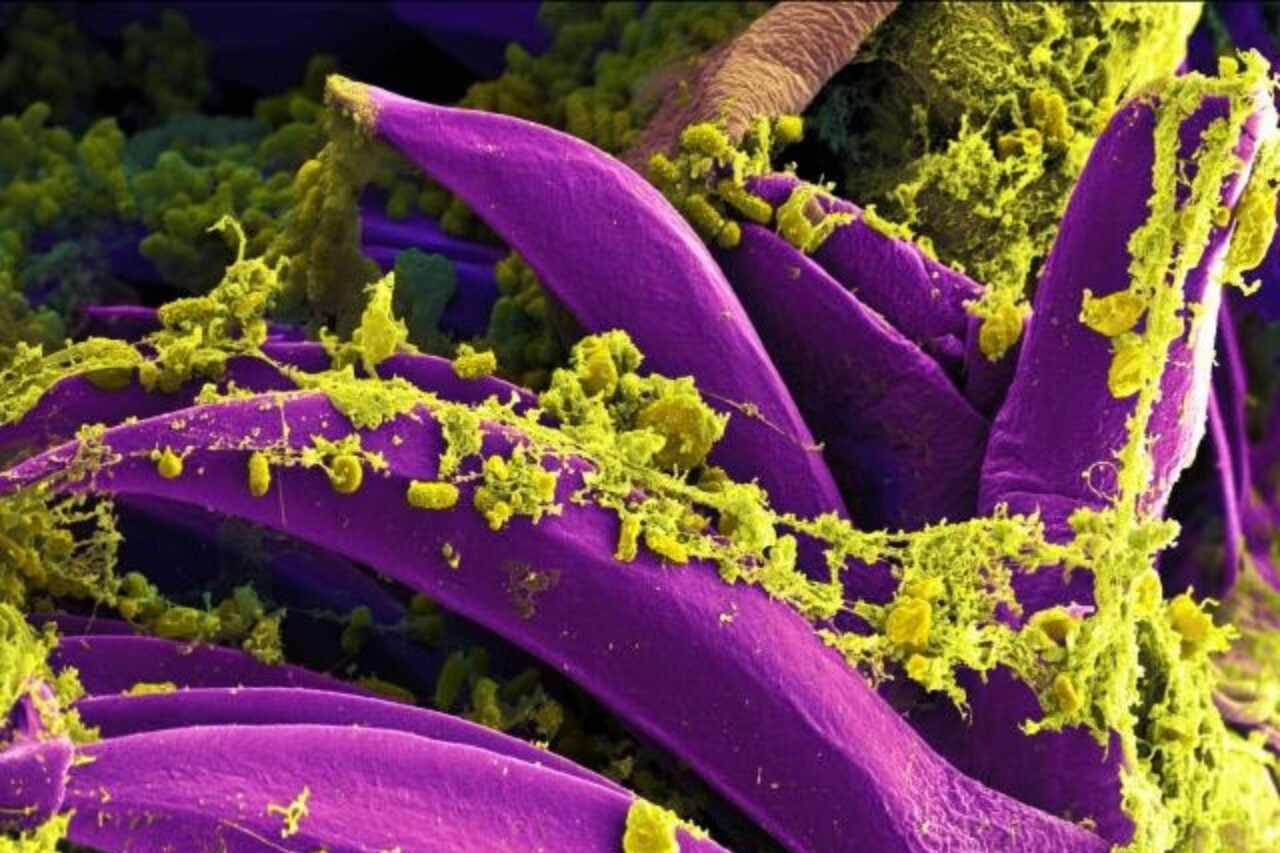
The H5N1 strain of avian influenza might not be in the news as much these days, but it’s still widely circulating among wild birds. And these birds can transmit the virus to other animals, including dairy cows and cats. Research out this week appears to confirm that cats can subsequently spread H5N1 to humans.
Federal and local health officials reported such a case Thursday, involving a veterinary worker in Los Angeles, California. The person tested positive for antibodies to H5N1 months after handling a cat infected with the virus. Though the person never experienced symptoms, the case shows that H5N1 and other bird flus can reach humans in more ways than one.
“These findings provide evidence of zoonotic transmission of influenza A(H5N1) virus from domestic cats to humans,” the authors wrote in their paper, published in the CDC’s Morbidity and Mortality Weekly Report.
A novel transmission route
Avian influenza is a serious and growing public health threat. Some strains can spread quickly in birds and kill off large populations (highly pathogenic strains), while also having the potential to spill over into other mammals, humans included. Should one of these strains ever evolve to transmit easily between people and cause severe illness, it could very well turn into the next pandemic.
H5N1 strains have been circulating among wild and domestic birds in the U.S. since 2021. In 2024, it began to cause outbreaks in dairy cows. It also became apparent that cats could catch H5N1 from either of these animals.
Between November 2024 and January 2025, the Los Angeles County Department of Public Health received 19 reports of severely ill cats in the area suspected of having H5N1. Of these cats, nine were tested for the leading variant of the virus, all of whom tested positive. The owners reported their cats had recently consumed raw milk, raw poultry, or raw pet food products, some of which also tested positive for the virus.
Health officials investigated further, identifying 139 people potentially exposed to the cats. Though several did experience flu-like illness, none tested positive for an acute H5N1 infection. In April 2025, officials asked all of the potentially exposed cases to undergo antibody testing, which can be used to identify past infections, including those that never caused illness.
Ultimately, 25 agreed to the antibody testing. And one person came back positive: a veterinary professional who had handled an infected cat 120 days earlier. The person had antibodies to two variants of H5N1 similar to the virus found in the infected cats, all but confirming the source of infection. Interestingly enough, the person had tested negative on a PCR test a week after exposure, meaning their infection would have gone unnoticed without further testing.
What this means
According to the CDC, at least 71 people in the U.S. have caught H5N1 since February 2024, while two have died from it. Most of these cases have been linked to exposure from infected livestock or birds. There have been other reported cases of people catching bird flu from cats, but this report is the first documented evidence that cats can transmit H5N1 to people as well, according to the authors.
Dairy cow outbreaks of H5N1 have lessened since early 2024, though they are still occurring. And as long as H5N1 and other worrying strains are out there in birds, these viruses will have the chance to infect other animals, including those that spend their time around humans like cats. So it’s all the more important to stay vigilant and track these threats. Cat owners and vets can also take steps to mitigate the risk of transmission.
“Pet owners are advised not to feed cats raw milk or other raw animal products,” the researchers wrote. “Veterinarians should consider influenza A(H5N1) in cats with acute respiratory or neurologic illness and follow appropriate infection prevention practices, including using PPE, to reduce exposure risk.”
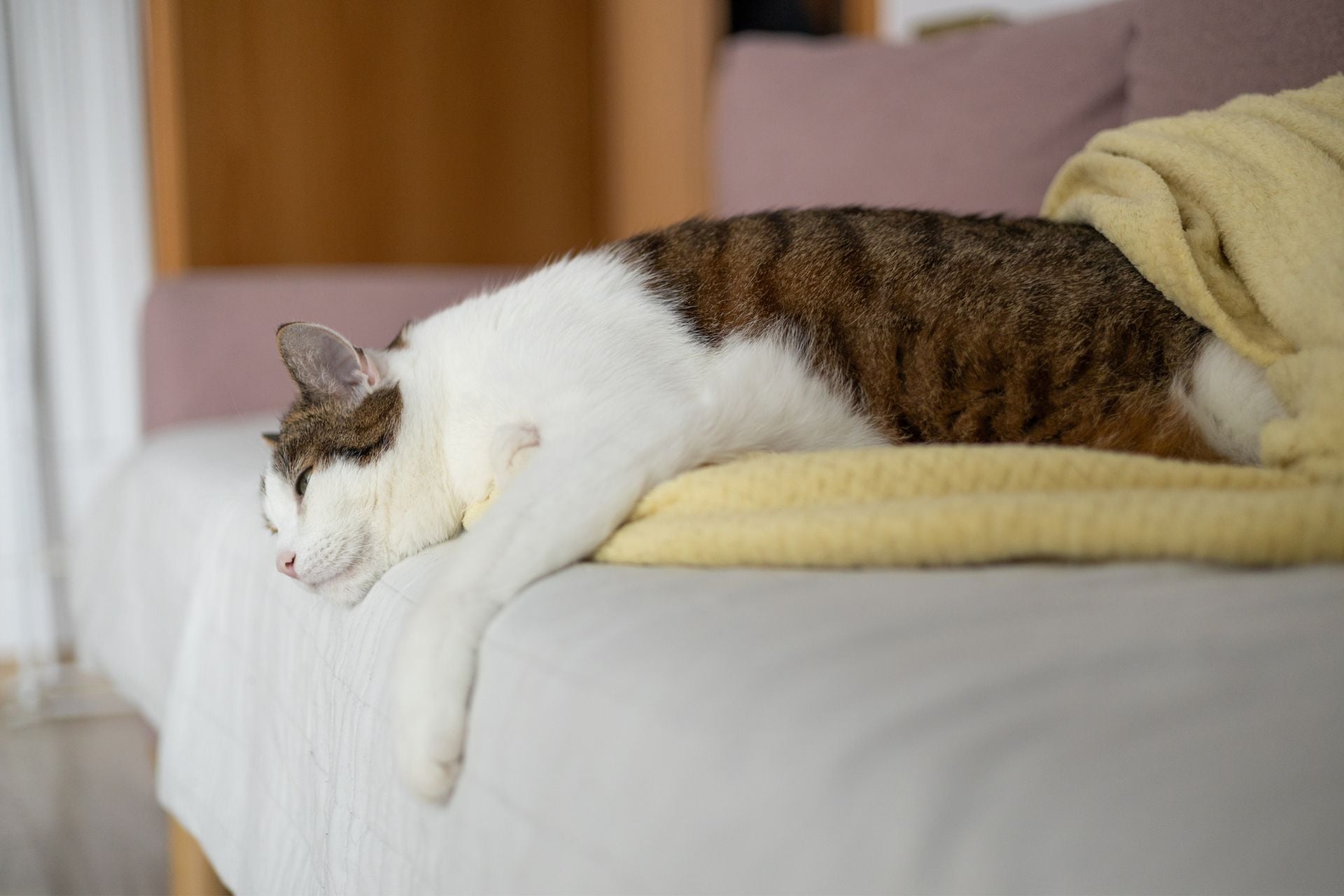
As for the cat at the center of all this, it survived its infection, though not without experiencing permanent vision impairment.