Floods on the Other Side of the World
Direct climate change impacts aside, another contributing factor to this year’s Southwest drought is La Niña. The weather oscillation is the opposite of El Niño, and one half of the ENSO cycle of warm/cool ocean temperature changes.
While parts of North America are made extra hot and dry because of shifts in sea surface temperature, La Niña causes areas of the South Pacific become cool and very, very wet. Basically—all of the moisture the U.S. isn’t getting goes elsewhere.
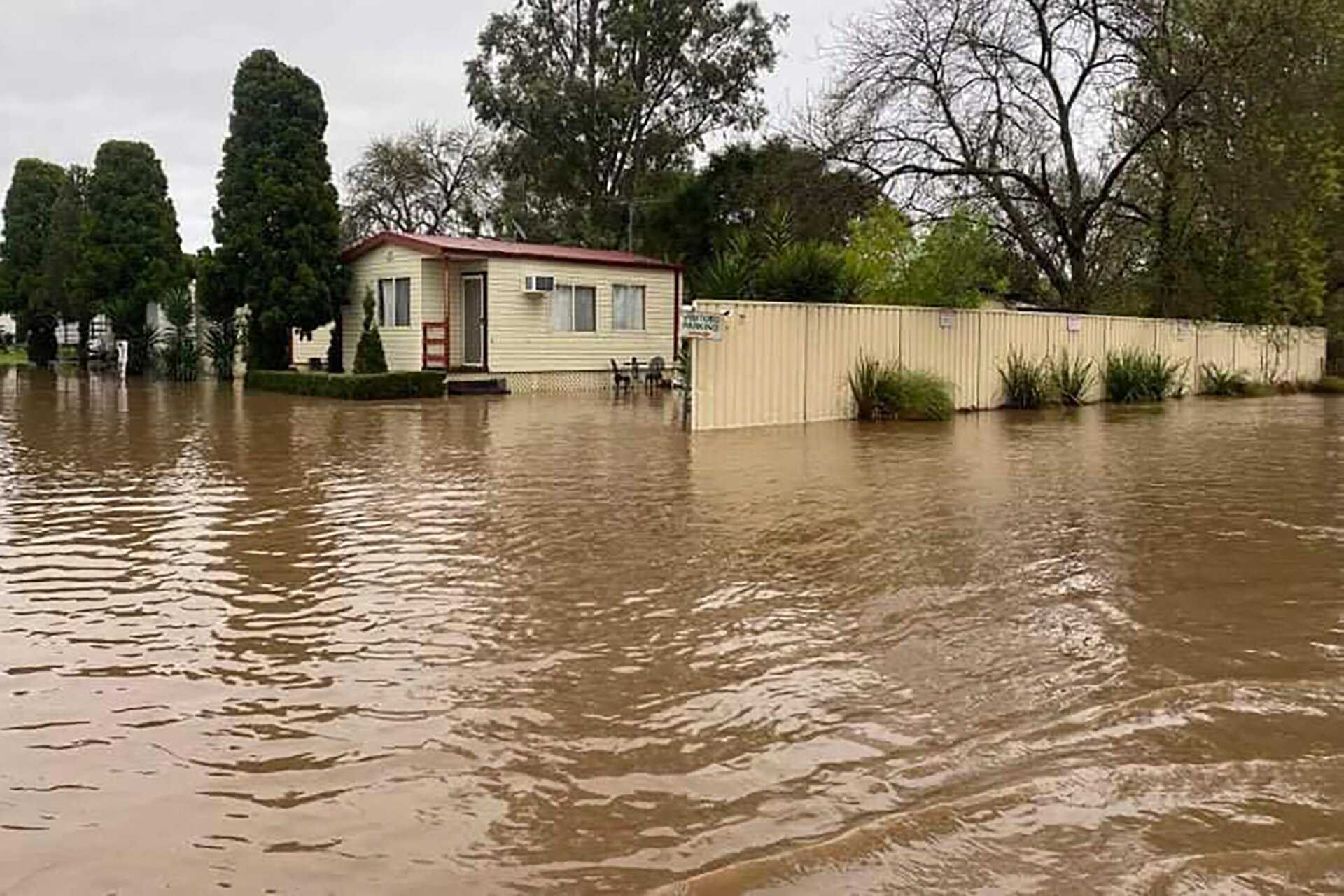
Australia, in particular, has been hammered by severe floods for the past few months, while the U.S. Southwest stayed parched. Most recently, Sydney was hit by an early July wave of devastating rainfall. About 50,000 people were evacuated, according Reuters reported.
Climate change and ENSO interact. Because climate change gives extreme weather a boost, the effects of La Niña become amplified. And more intense ENSO events could become more commonunder the worst greenhouse gas emissions scenarios.