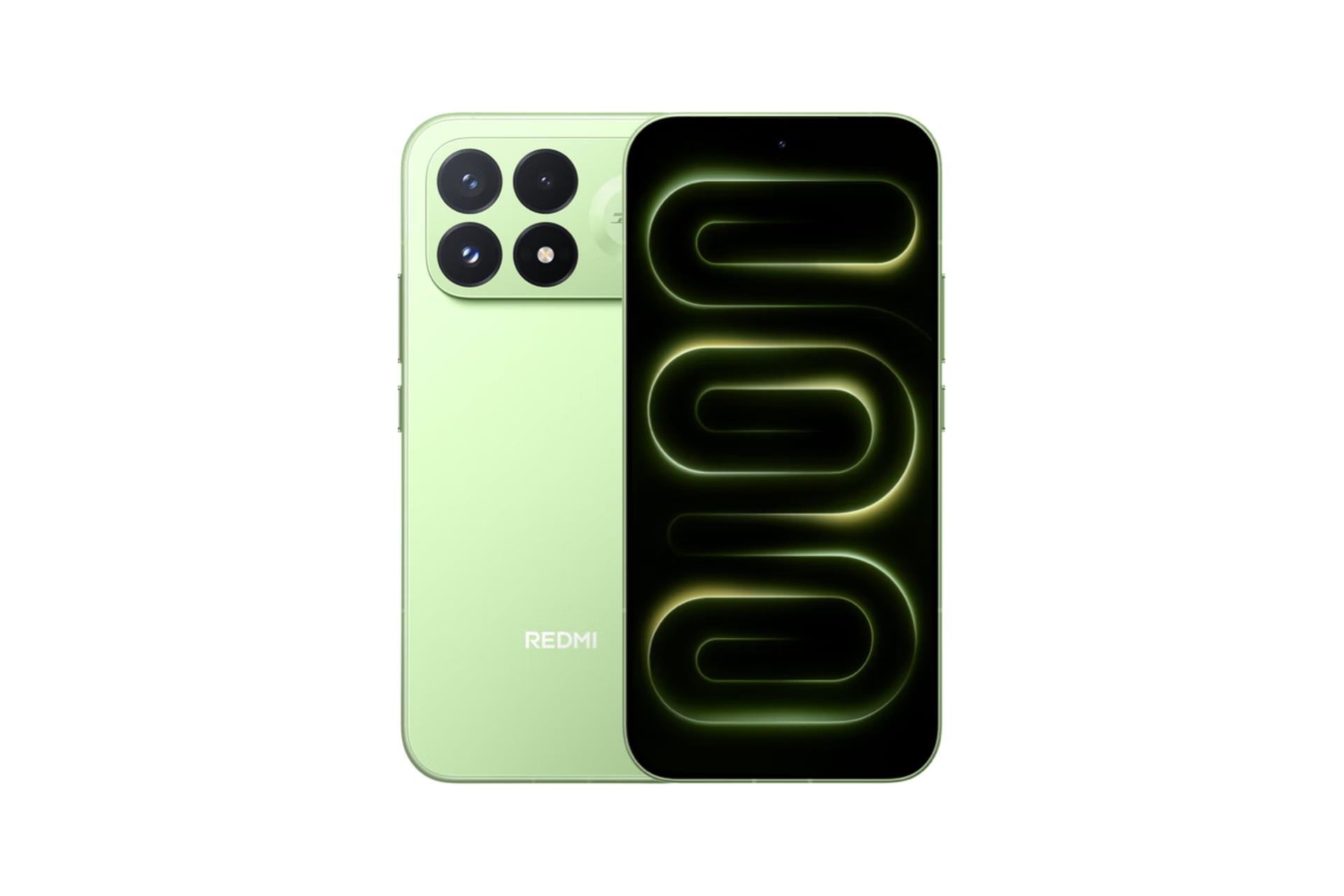
Just a week after OnePlus made the (frankly, very frustrating) announcement of a new Android flagship with a monstrous 9,000mAh battery, Beijing-based rival Xiaomi is already clapping back. The largest Chinese smartphone vendor has revealed the specs and design of its upcoming flagship, the Redmi K100, and while it didn’t provide specific battery numbers, it claims the capacity is in the neighborhood of an unnecessarily bonkers 10,000mAh.
Xiaomi announced in a somewhat dramatic Weibo post Monday (its description of the handset translates to something like “dual-chip demon king”) that the K100 will launch on Oct. 27 at 7 p.m. (China time, presumably) and would aim to have the best battery life in its price range. Of course, we don’t actually know the price of this device yet, so that comment is not useful whatsoever, but on paper, it is true that we’re looking at one of the largest battery capacities on an Android phone. For context, Samsung’s Galaxy S26 Ultra has a 5,000mAh battery, and Google’s Pixel 11 Pro XL sports a slightly larger one. The K100, next to those, is basically a battery pack with a screen.
Look, I’m not saying there aren’t some exciting things going on in U.S. tech. We’ve got folding iPhones and microscopic Xbox controllers, sure. But I’m not convinced we’ve got anything going on that’s quite like the battery arms race currently underway among Chinese brands. Honor’s Power2, released earlier this year, has a capacity of slightly more than 10,000mAh, a 26% increase over its predecessor. The Realme P4 Power also crossed the 10,000mAh threshold this year. The “super power” model of Honor’s Magic 9, which dropped a few weeks ago, clocks in at a whopping 11,000mAh, and the company has a 12,000mAh model on the way, which would be the largest battery capacity I’m aware of in a mainstream smartphone, apart from rugged stuff that, like, hiking guys use.
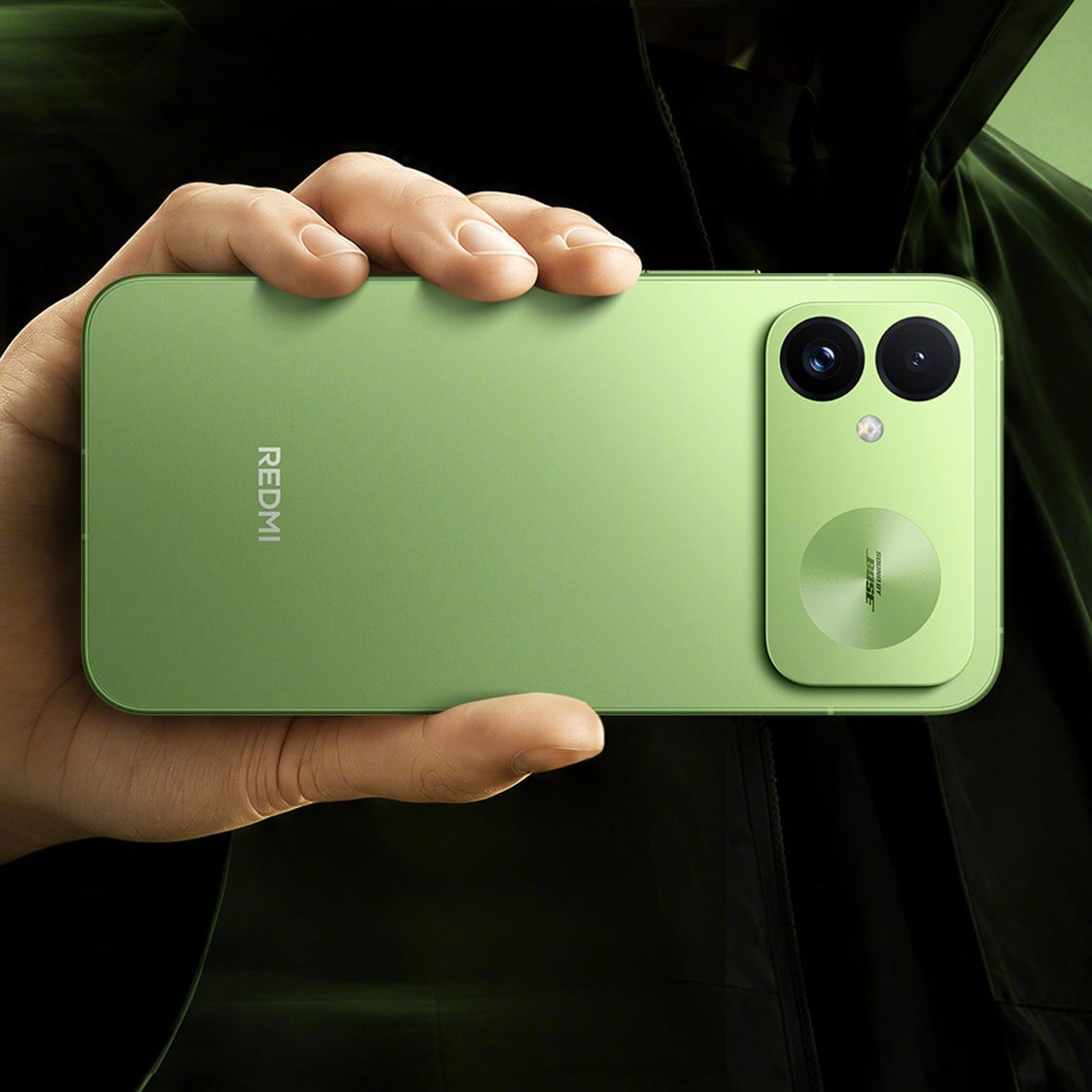
I don’t think this trend solely reflects a desire for longevity, though. Because here’s another fun fact: the K100 is the first Redmi K series phone to sport a dedicated gaming chip in its base SKU. This is a feature not uncommon to see on gaming-focused Android phones. Flagships dating back to the OnePlus 12 and the RedMagic 10S Pro have tried them out from time to time, and earlier higher-tier Redmi phones, such as the K80 Pro and K80 Ultra, have also had them. The potential improvements in smoothness and efficiency that dedicated gaming chips offer are making their way into a standard model, which is potentially an exciting development for fans of this line—though, again, we don’t yet know how much this “base model” will cost. Regardless, I also just have to imagine that there are diminishing returns to these capacity expansions at some point. The aforementioned puny-battery S26 Ultra is already very hard to drain in day-to-day use.
That’s why I think what we’re seeing is not, in fact, about day-to-day use but rather reflects an increased focus on mobile gaming that parallels the rise of chips like the Snapdragon 8 Elite, which tout gaming as a major benefit and which Gizmodo’s Kyle Barr called “a performance monster.” The OnePlus 16 includes a 185Hz OLED panel, which is a phrase I’m accustomed to typing in relation to fancy gaming laptops and not to devices you can fit in your pocket. Honor’s WIN line is also going hard on 185Hz gaming this year. The competition is clearly not just for gaming performance—it’s for sustained gaming performance.
Of course, there are also a trillion gaming handhelds currently on Chinese shelves, and one wonders exactly how many, if any, additional hours of Genshin Impact you could realistically get out of one of these phones (Ayaneo’s Pocket S2 Pro, for example, also happens to have a 10,000mAh battery), especially with the brightness of those power-hungry screens cranked up. If you’re in China or have a friend who can hook you up, feel free to let the rest of us know in a week’s time.