Russia blew up its own satellite, creating a dangerous debris field
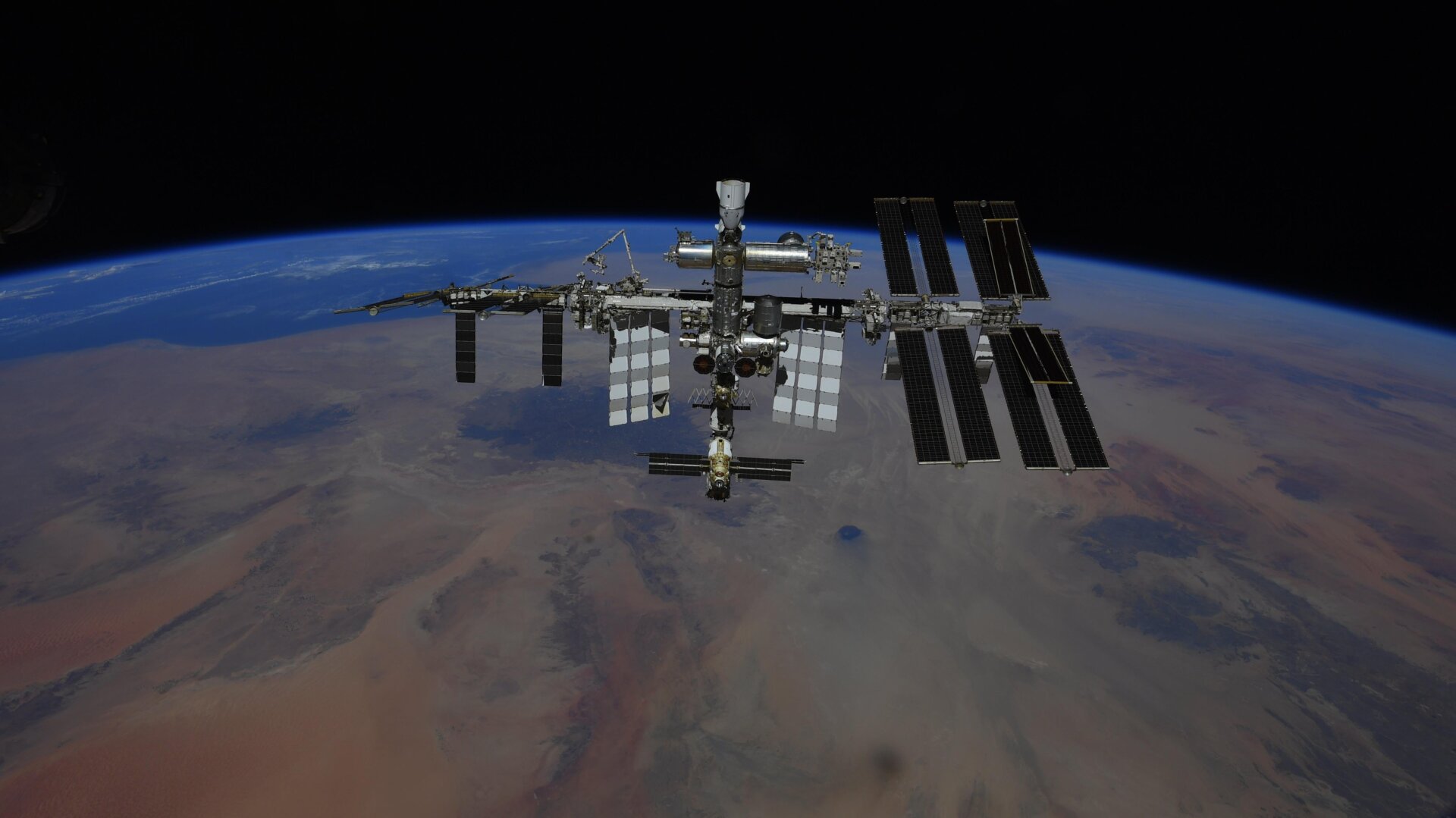
The ISS crew was rudely awakened during the early hours of November 15 and told to seek immediate shelter in spacecraft docked outside the station. The sudden appearance of an orbital debris cloud, caused by a Russian anti-satellite (ASAT) weapon test, triggered the emergency. Nothing bad happened, but the deliberate destruction of the defunct Kosmos-1408 satellite produced around 1,500 pieces of trackable debris and likely thousands of smaller shards, which will continue to threaten the ISS and other space-based assets for years to come.
NASA condemned Russia’s ASAT test as a reckless act (though the United States, China, and India have done similar tests in the past). The newly created debris field will likely increase the frequency of collision avoidance maneuvers in the future, and it’s also contributing to Kessler Syndrome, in which accumulating space junk could eventually make Earth orbit inaccessible to satellites, spacecraft, and astronauts.