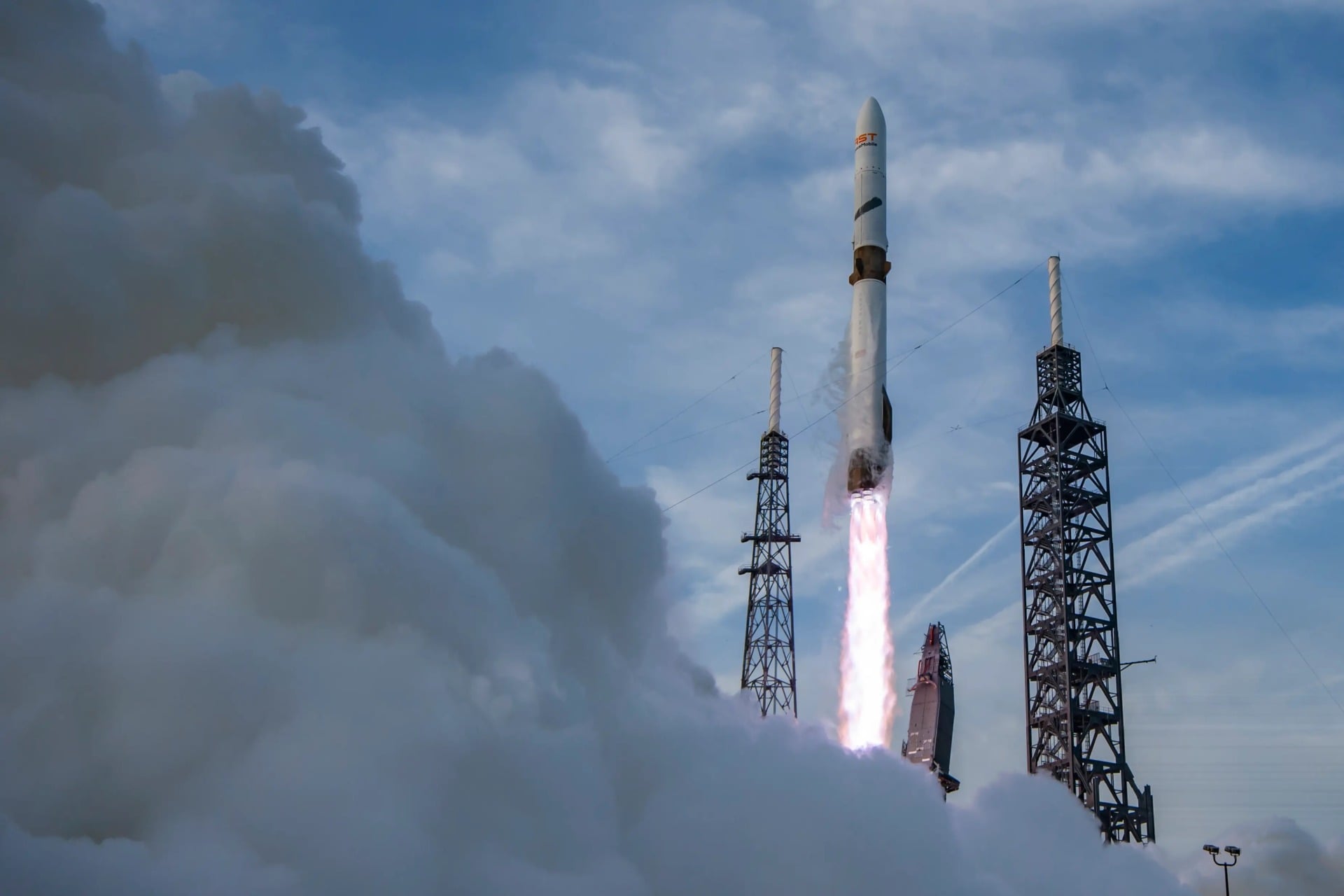
After suffering an embarrassing setback with the third launch of the New Glenn rocket, Blue Origin is hoping to get back on track with its partially reusable vehicle.
Blue Origin completed an investigation into the anomaly that caused New Glenn to place its payload in a lower orbit than planned. During the flight on April 19, the rocket’s second stage suffered a malfunction prior to its engine burn and one of the engines failed to achieve enough thrust to reach its target orbit.
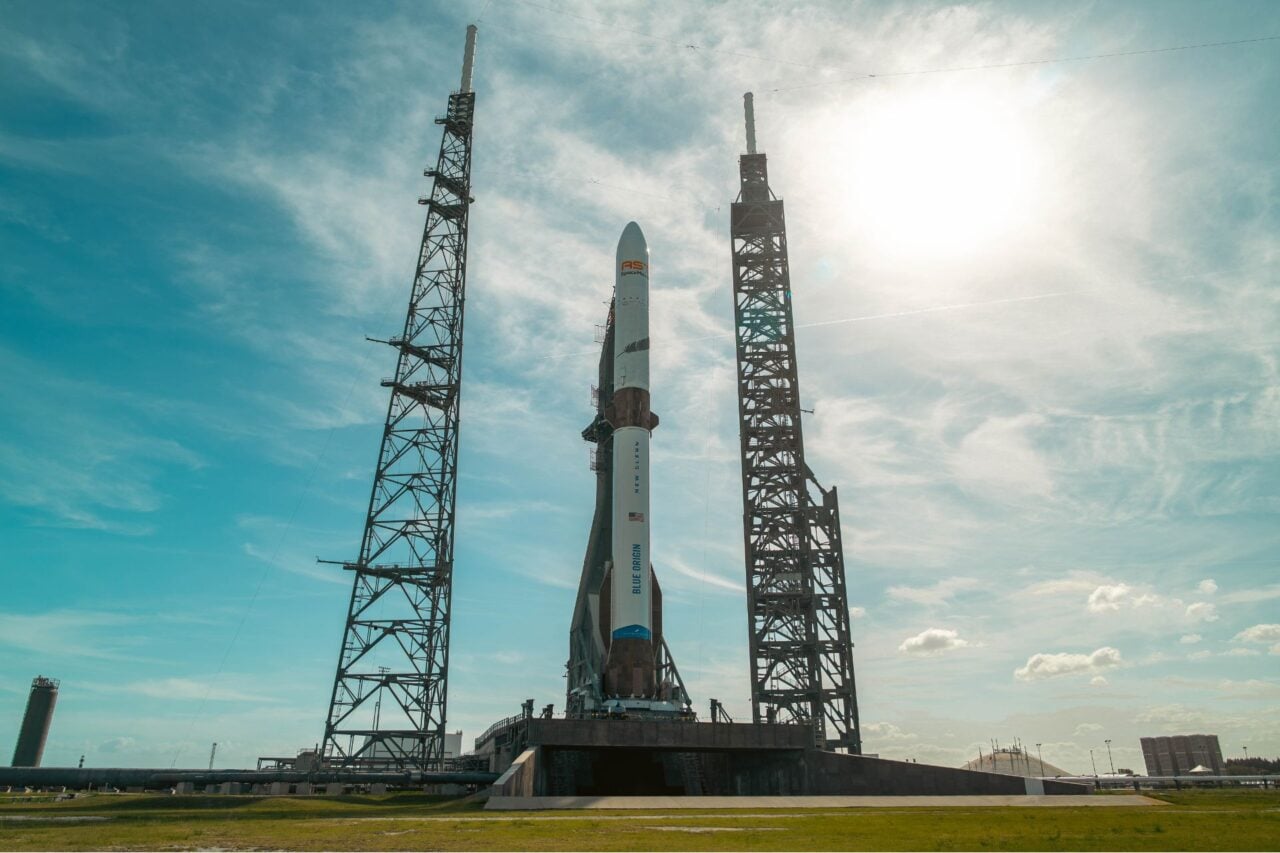
The Federal Aviation Administration approved the company’s report on the NG-3 mission, and cleared New Glenn for liftoff, Blue Origin announced. New Glenn had been grounded since its failed delivery, putting the rocket’s busy launch schedule at risk.
Third time was not the charm
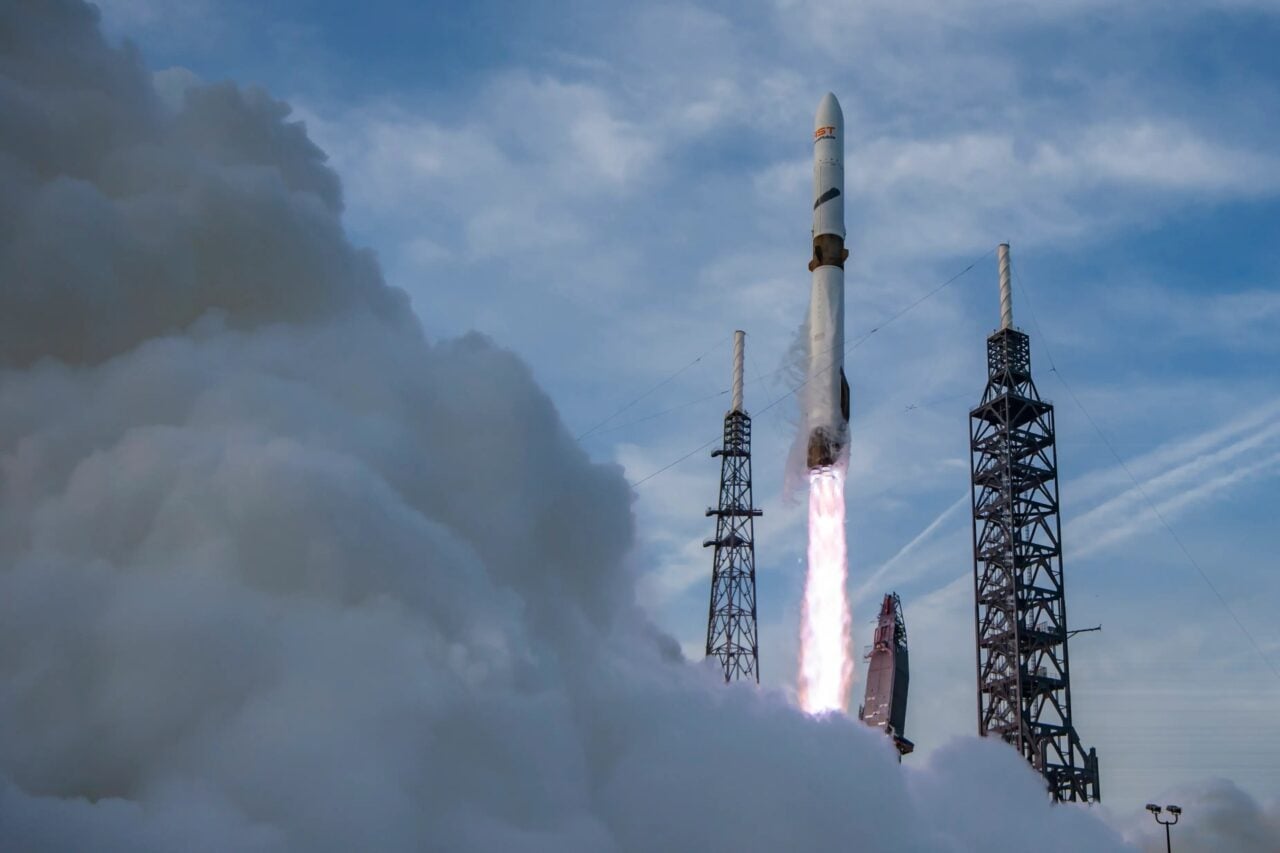
For its third mission, New Glenn used the same booster that launched NASA’s twin ESCAPADE Mars probes on November 13, 2025. Blue Origin refurbished the booster, named “Never Tell Me The Odds,” for the first re-flight of a New Glenn first stage as a mark of the rocket’s reusability.
Shortly after launch, the booster touched down on a landing platform called Jacklyn in the Atlantic Ocean. The successful touchdown marked a huge achievement for the company, with the rocket’s reusability being a key factor to ramping up its launch cadence.
The booster’s win was overshadowed by the major flop that followed. New Glenn was carrying AST SpaceMobile’s BlueBird 7 satellite, part of a constellation of massive satellites designed to provide direct connectivity to smartphones. About an hour after the scheduled payload separation, Blue Origin revealed that the satellite was placed in an “off-nominal” orbit.
Following stage separation, the rocket’s upper stage was expected to perform two burns to place the satellite in an orbit approximately 285 miles (460 kilometers) above the Earth. AST SpaceMobile later confirmed that while the satellite separated from the rocket and powered on, its “altitude is too low to sustain operations with its on-board thruster technology and will [be] de-orbited,” the company wrote in a statement.
Cleared for liftoff
The upper stage mishap prompted the FAA to ground the rocket, ordering Blue Origin to carry out an investigation into the anomaly.
Blue Origin’s report pinpointed the root cause of the recent malfunction as a cryogenic leak that froze a hydraulic line, which led to the thrust anomaly during the second-stage engine burn. The company added that corrective measures have been implemented to prevent a similar anomaly from taking place during upcoming launches.
Jeff Bezos’ rocket company may have big plans in store for its New Glenn rocket. A recent job posting recently revealed Blue Origin’s ambitious timeline to ramp up its production rate within the next few years, producing 60 New Glenn upper stages by the third quarter of 2028.
New Glenn has been in development for over a decade, but its debut suffered multiple setbacks and delays due to technical issues. Blue Origin is looking to solidify its rocket’s position in the heavy-lift vehicle market by scaling up the production line, but hopefully New Glenn can pull off its next mission without another glitch.