The Plague of Athens
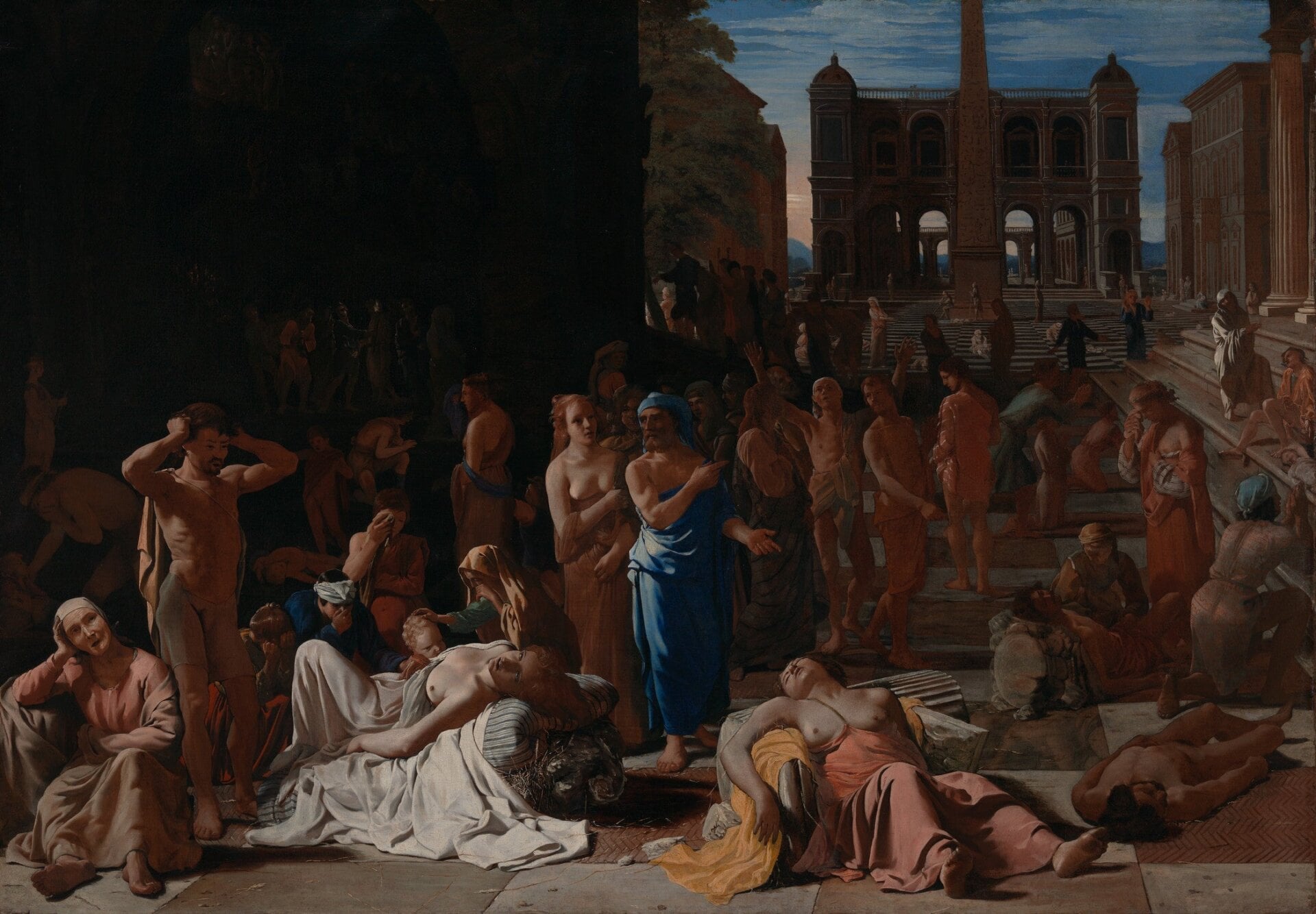
One of the first major epidemics in recorded history is also one of its most mysterious. The Plague of Athens, which began in 430 BC and lasted for years, killed as many as 100,000 people in the ancient Greek city—around a quarter of its residents at the time. Though long thought to have been caused by plague bacteria (hence the name), that theory has since fallen out of favor. Everything from typhoid fever to an early appearance of Ebola has been tossed out as an explanation for the illness, which could cause high fevers, vomiting blood, and lesions on the skin. But no one knows for sure.