The Great Dying
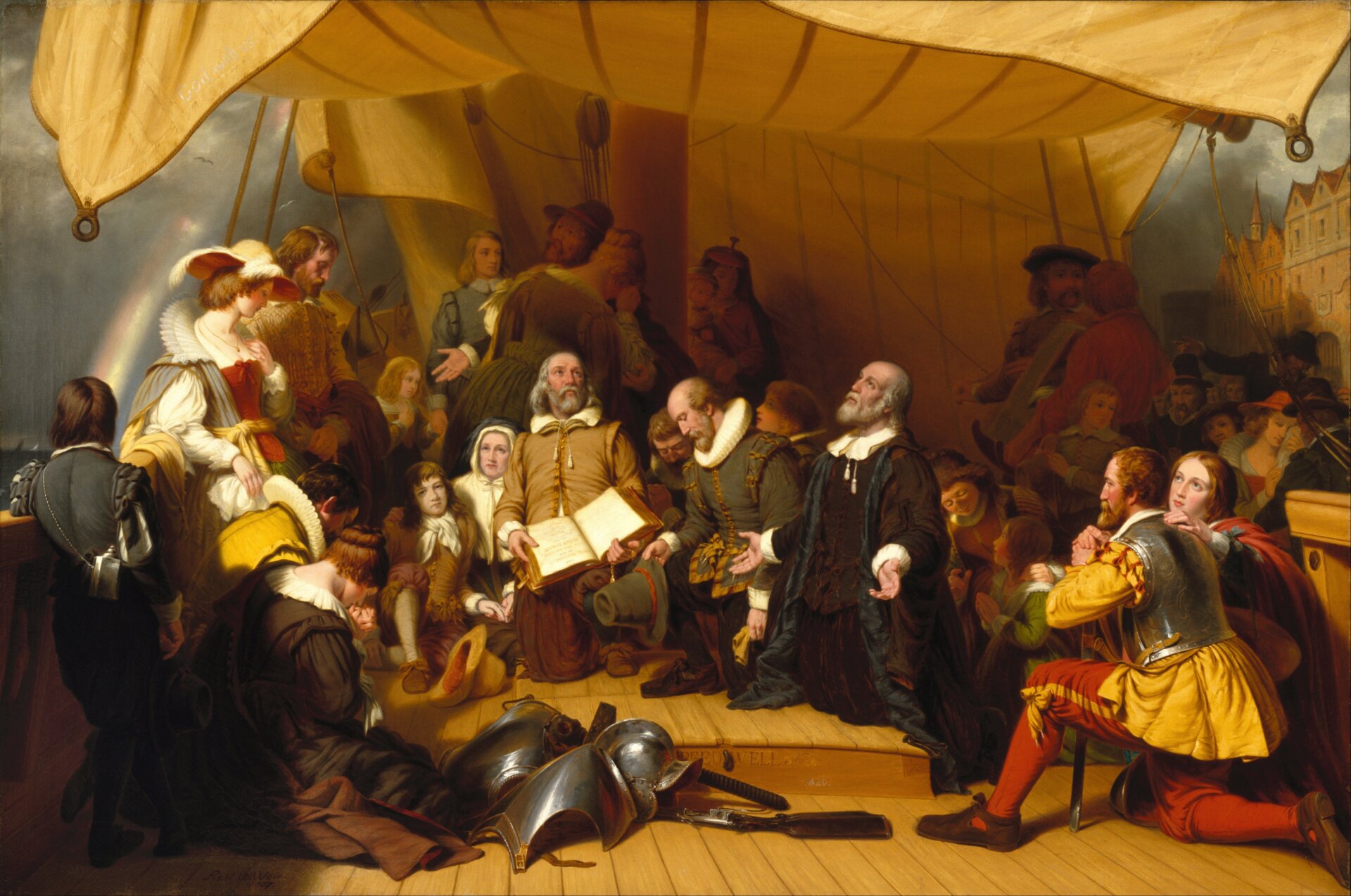
In 1616, a horrific wave of illness spreadthroughout the Native people living in what’s now called New England. The outbreaks are thought to have wiped out as much as 90% of the population, killing thousands. Because these deaths occurred just before European pilgrims settled into the area, some colonists took it as a sign of divine providence that cleared the way for them to live there undisturbed. In truth, it’s likely that past expeditions from Europe had introduced the unknown plague to the Native populations sometime earlier, who had no preexisting immunity to it.
Potential causes for “The Great Dying,” as it’s been called, include smallpox, yellow fever, plague, and more recently, leptospirosis, a now-rare bacterial disease spread through infected animal urine or contact with contaminated food and water.