The New World screwworm, a flesh-burrowing parasite that can chew through livestock, pets, and humans, is encroaching further into the United States.
On Monday, the U.S. Department of Agriculture reported several more cases of the screwworm, following the discovery of its reemergence in Texas last week. One of these cases involved a dog in the neighboring state of New Mexico, a troubling sign of the parasite’s spread. The USDA has set up a website where people can report suspected cases.
“We are working closely with our partners in New Mexico, Texas, and across the region to ensure we identify, contain, and respond to any potential cases as swiftly as possible,” said Dudley Hoskins, Under Secretary for Marketing and Regulatory Programs at USDA, in a statement.
Beyond Texas
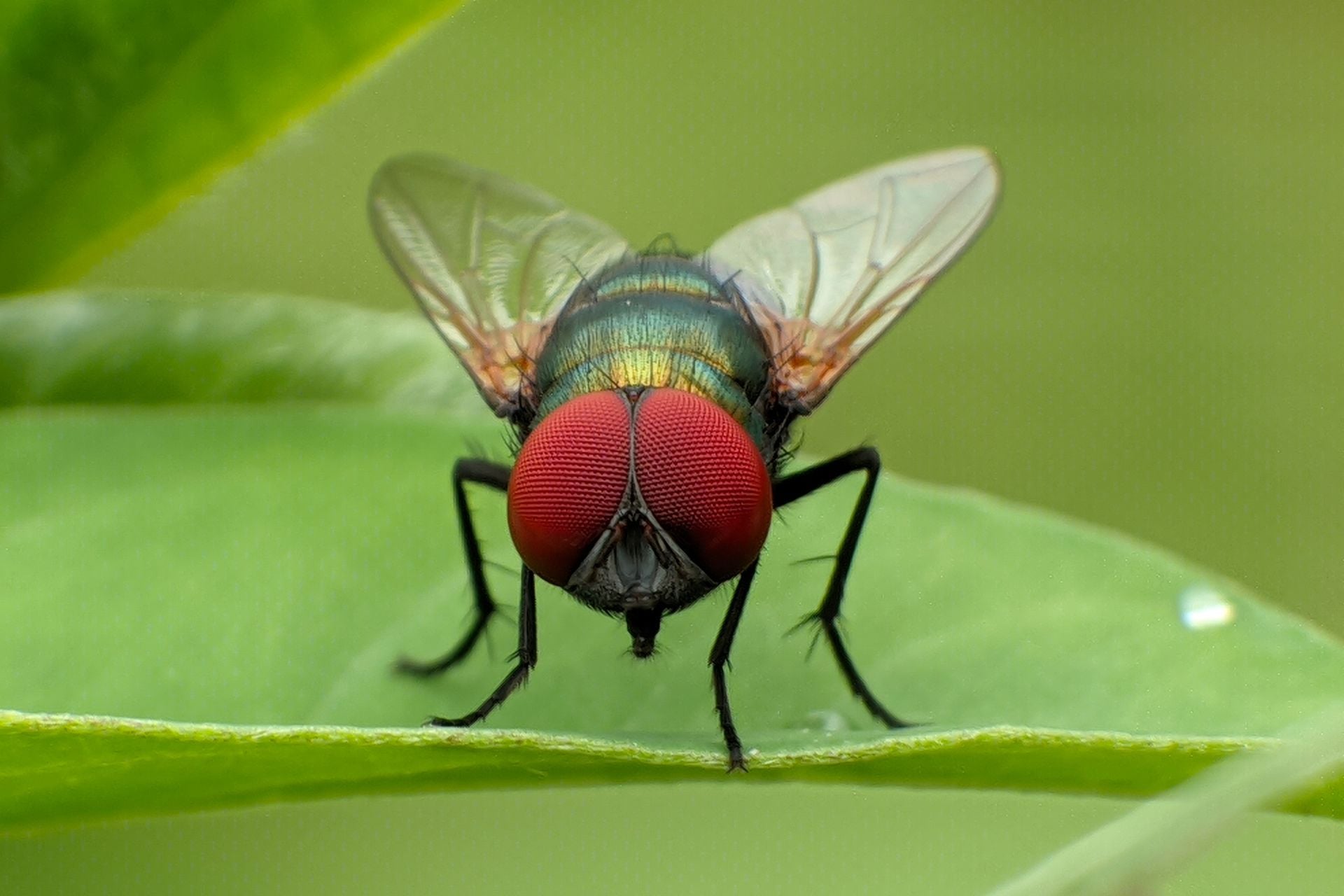
The New World screwworm is a species of parasitic fly called Cochilomyia hominivorax. Unlike many other species, the fly’s maggot form prefers to feed on the living flesh of warm-blooded animals. The flies lay eggs on a host via open wounds or mucous membranes, and then the maggots use their screw-like bodies to burrow themselves deep into the animal. Along the way, the maggots’ sharp mouth parts chew through the host’s body, which can cause extensive, even life-threatening tissue damage.
For years, eradication programs in the U.S. and other countries in the Americas had pushed back the screwworm, creating a barrier as far down as Panama. But in recent years, this barrier has fallen, and the parasite has steadily reestablished itself northward. Last week, the USDA reported the first local livestock case seen in decades—a four-month-old calf.
Though the maggots can infest humans, they’re a much larger problem for livestock. Past outbreaks in the U.S. have devastated the cattle industry in particular, and the USDA has estimated that similar outbreaks today could cost the Texas economy alone $1.8 billion. On a consumer level, the return of the screwworm might help ensure already rising beef prices stay high for the foreseeable future.
Experts have been anticipating that screwworm cases would eventually show up in the U.S. following the barrier breach. Notably, the Trump administration attempted to cut funding for screwworm monitoring programs in early 2025, though it eventually changed tack.
According to the USDA, four cases have been identified in Texas so far. Two of these cases occurred in calves only a few miles apart in southern Texas. A third case was found in cattle in La Salle County, and a fourth in a goat from Gillespie County, west of Austin. The dog case was originally identified in Texas, since the veterinarian who reported it resides in the state, but the dog itself lives in Lea County, New Mexico, which borders Texas.
Officials believe the dog is an isolated case. But it’s not clear how the animal was exposed, and it’s not known to have traveled recently to Texas or Mexico, where the screwworm has also reemerged. So officials have begun investigating the surrounding area for populations of the fly.
Is it too late to stop?
Officials have implemented containment measures around all of the cases identified so far. That includes the release of sterile male flies, a lynchpin of the eradication programs that previously drove back the screwworm. Earlier this April, the USDA also broke ground on a new sterile fly production facility in Texas.
Whether it’s still possible to contain the worm before it regains a foothold in the country is an open question, and these latest cases don’t bode well for that possibility. The sterile fly technique typically takes time to work, and the new Texas plant isn’t expected to be operational until November 2027 at the earliest.
If we’re lucky, these cases will remain isolated and easily contained. If we’re not, the screwworm could chew through plenty of animals in the U.S. before it’s fully stopped.